Nigeria's journey to privatize its electricity sector was ambitious, aiming to spark an industrial revolution. However, the privatization effort inadvertently became a significant industrial bottleneck, hindering the very progress it aimed to achieve. The system was designed to be temporary but calcified into a permanent obstacle. This "single-buyer trap" prevented industries from securing reliable and affordable electricity.
The privatization philosophy was influenced by the World Bank's belief that states were poor managers and markets held the key to efficiency. Nigeria broke up its state-owned utilities, planning to privatize power plants and distribution networks, fostering a competitive wholesale market. However, a crucial element, the Nigerian Bulk Electricity Trading Plc (NBET), was created as a provisional measure. NBET was meant to bridge the gap between newly privatized Distribution Companies (DisCos) and generators (GenCos).
NBET evolved into a perpetual intermediary, blocking direct commercial ties between electricity producers and consumers. DisCos struggled to collect revenue, often remitting only 30% to 50% of their monthly invoices to NBET. Retail tariffs remained politically suppressed, held below cost, and NBET covered the gap. The consequences were staggering, with NBET relying on the Federal Treasury and the Central Bank of Nigeria for massive financial interventions.
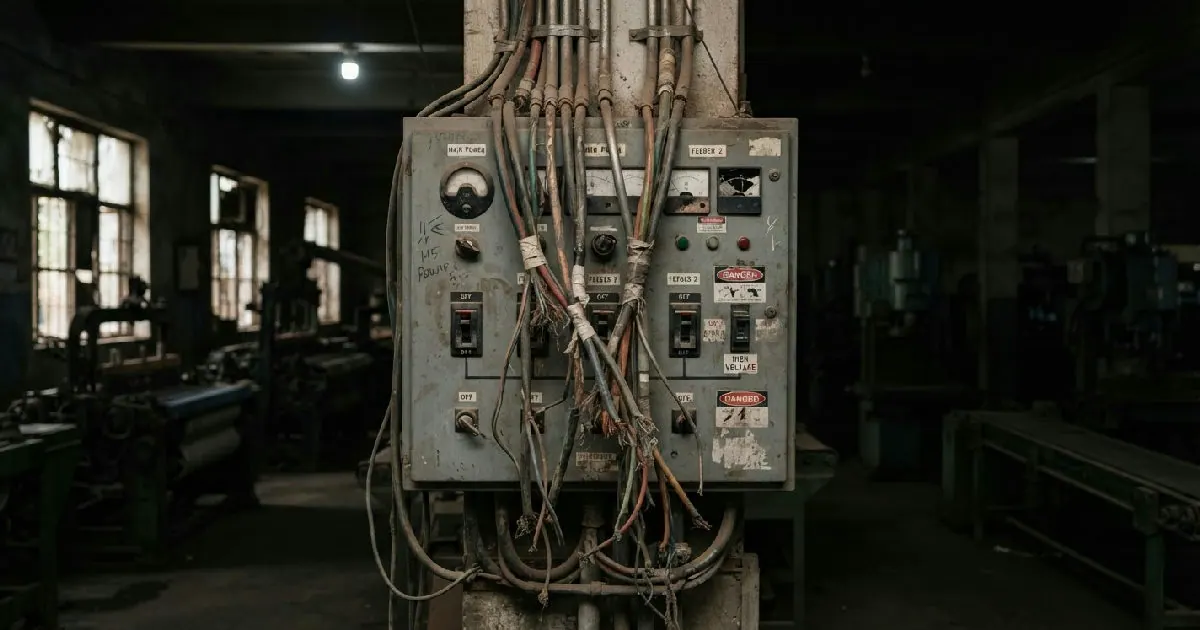
The financial strain on NBET rippled throughout the sector, weakening gas supply and maintenance. Generation companies received only about 27% of their bills, hindering their ability to invest in upgrades or maintain existing equipment. Nigeria's installed generating capacity is estimated at 13,500 megawatts, yet historically delivers only a fraction of this through the national grid.
The Association of Power Generation Companies (APGC) highlighted that infrastructure deficits mean available capacity often cannot be evacuated. This idle capacity impacts GenCos' ability to serve customers and repay investments. Poor infrastructure and high transmission losses lead to frequent blackouts, forcing businesses and households to seek costly alternatives.
Minister of Power Joseph Tegbe, taking office in June 2026, diagnosed the sector as constrained across its entire value chain. He stated that rather than tariff increases, the focus must be on improving supply and strengthening the sector's financial and physical foundations. The Electricity Act of 2023 and renewed commitment from officials aim to dismantle NBET's entrenched monopoly and transition towards a more dynamic, contract-driven bilateral trading market.
Nigeria is charting a new course, allowing generators and buyers to establish direct commercial relationships, bypassing the problematic middleman. The goal is to introduce real market discipline and reduce the sovereign's exposure to the sector's financial risks. Concurrent initiatives aim to diversify Nigeria's energy landscape, with states leveraging a recent constitutional amendment to establish their own localized electricity markets.
Key points
- The Nigerian government aims to achieve universal access to affordable electricity by 2030.
- The power sector's circular debt, caused by a system that couldn't sustain itself, is being actively addressed.
- A multi-pronged strategy, including gas-to-power projects and solar solutions, is being implemented to address core power issues.