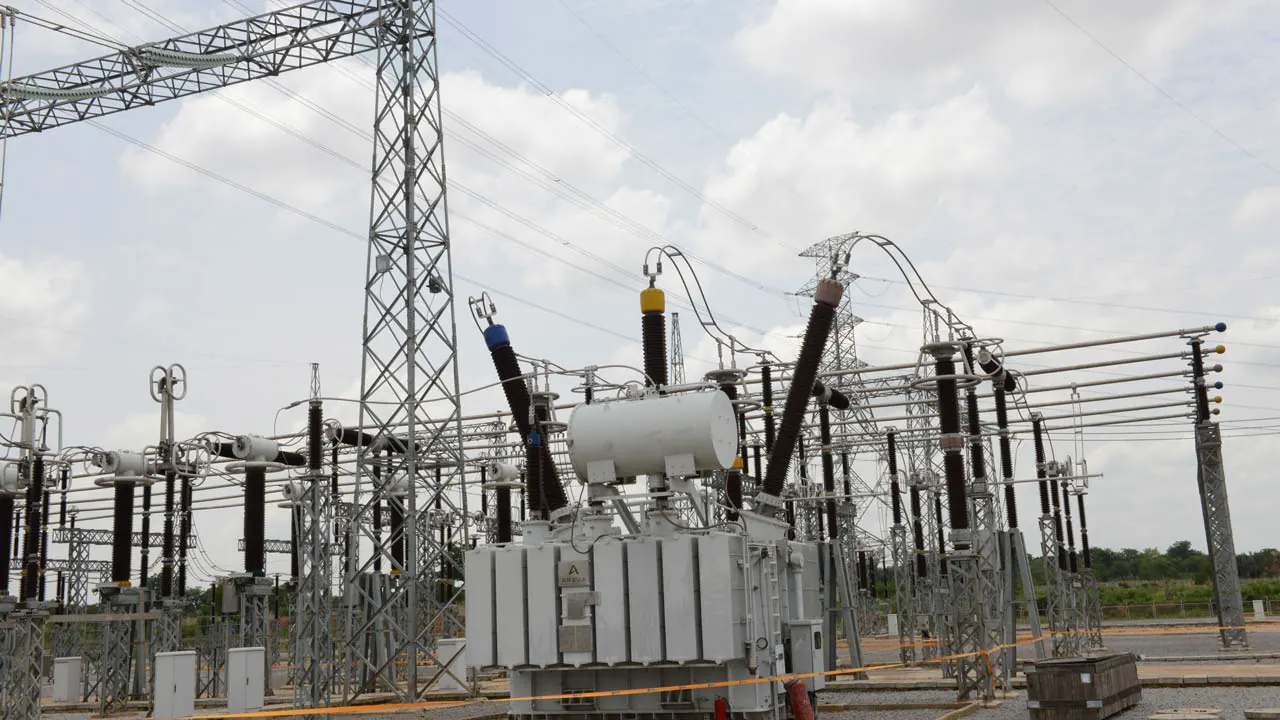
Nigeria's total available electricity generation reached 5,403.3 megawatts as of 8:07 pm on September 22, 2026, according to the National Control Centre in Osogbo. This figure represents the total generation available for distribution and other approved electricity requirements. The development highlights the current level of power generation available to the national grid.
Of the total available generation, 4,379.07MW was allocated to the country's 11 electricity distribution companies. Abuja Electricity Distribution Company received the highest allocation of 700MW, followed by Ikeja DisCo with 581MW and Ibadan DisCo with 550MW. Other DisCos, including Benin, Eko, Enugu, Port Harcourt, Kano, Kaduna, Jos, and Yola, received allocations ranging from 70MW to 531MW.
The National Control Centre document also showed that 1,024.18MW was classified as exempted load, which includes power stations and auxiliary consumption, transmission losses and substation services, and electricity supplied through bilateral arrangements and dedicated industrial connections. This exempted load brings the total available generation to 5,403.25MW, effectively corresponding with the reported 5,403.3MW total generation.
The exempted load includes 108.07MW for power stations and auxiliary consumption and 367.87MW attributed to transmission losses and substation services. It also includes electricity supplied through bilateral arrangements, such as 65.70MW for PARAS, 69.75MW for AFPL, and 45MW for Delta. Dedicated supplies include 55MW for Penstock, 50MW for Niger, and 20MW for TAOPEX.
The figures suggest that while Nigeria's available generation has risen to about 5.4GW, not all of the power generated is available for direct allocation to residential and commercial consumers through the DisCos. A substantial portion of the available electricity is accounted for by transmission losses, auxiliary consumption, and bilateral supplies to industrial customers.
The gap between electricity available on the national grid and the amount ultimately delivered to distribution companies is significant, with losses and other exempted requirements absorbing a large portion of available supply. For consumers, the critical issue remains how much of the available generation can ultimately reach homes, businesses, and industries through the transmission and distribution networks.
The latest generation figure provides a snapshot of the current state of Nigeria's power sector. While the country's available generation has increased, the challenge of delivering electricity to consumers efficiently remains. The National Control Centre's schedule puts Nigeria's total available generation at about 5,403MW, rather than the 4,379MW delivered directly to DisCos.
Key points
- Nigeria's power generation reaches 5,403MW peak
- 4,379MW allocated to 11 electricity distribution companies
- Transmission losses and exempted loads account for a significant portion of available supply