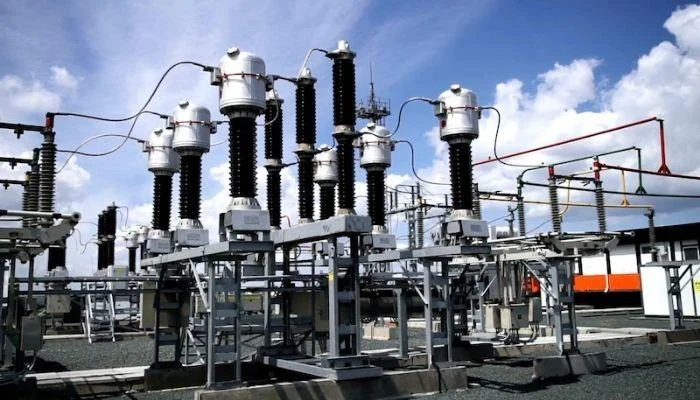
Nigeria's total available electricity generation reached 5,403.3 megawatts on September 22, according to the Daily Load Allocation Table released by the National Control Centre of the Transmission Company of Nigeria. This represents a significant increase in power generation, coming within about 399MW of the country's all-time generation peak of 5,801.84MW recorded on March 4, 2025, at 9:15 pm.
The latest generation figure exceeds the 5,330MW generation peak disclosed by the Minister of Power, Joseph Tegbe, as having been recorded during August and September 2026. Of the available generation, 4,379.07MW was allocated for delivery to electricity distribution companies across the country, while 1,024.18MW was classified under exempted loads and other system requirements.
The National Control Centre allocated 700MW to Abuja Electricity Distribution Company, the highest allocation, representing 15.20 per cent under the Nigerian Electricity Regulatory Commission percentage allocation. Ikeja Electricity Distribution Company followed with 581MW, representing 15.01 per cent, while Ibadan DisCo received 550MW, equivalent to 11.93 per cent.
The 5,403.3MW available generation recorded represents about 93 per cent of the 5,801.84MW all-time peak generation milestone listed by the Nigerian grid operator. However, it is essential to note that the 5,403.3MW figure represents available generation in the load allocation schedule and should not be treated as the same measurement as the all-time instantaneous peak of 5,801.84MW.
Nigeria has an installed generation capacity of 13,014.40MW, according to the NigGrid electricity grid milestones data. However, the grid's highest recorded generation of 5,801.84MW remains substantially below the installed capacity, reflecting the long-standing challenge of converting Nigeria's installed generation assets into sustained electricity production.
Minister of Power, Joseph Tegbe, stated that the Federal Government's diagnosis of the electricity sector found constraints across the entire value chain, including gas supply, generation, transmission, and distribution. The government has initiated measures to address these challenges, including restoring the 375MW Alaoji open-cycle power plant to the national grid and unlocking transmission capacity through new transformers.
Key points
- Nigeria's power generation rose to 5,403.3MW on September 22, nearing the record peak of 5,801.84MW achieved in March 2025.
- The Federal Government has initiated measures to address challenges in the electricity sector, including gas supply, generation, transmission, and distribution.
- Nigeria's installed generation capacity stands at 13,014.40MW, but the grid's highest recorded generation remains substantially below this capacity.