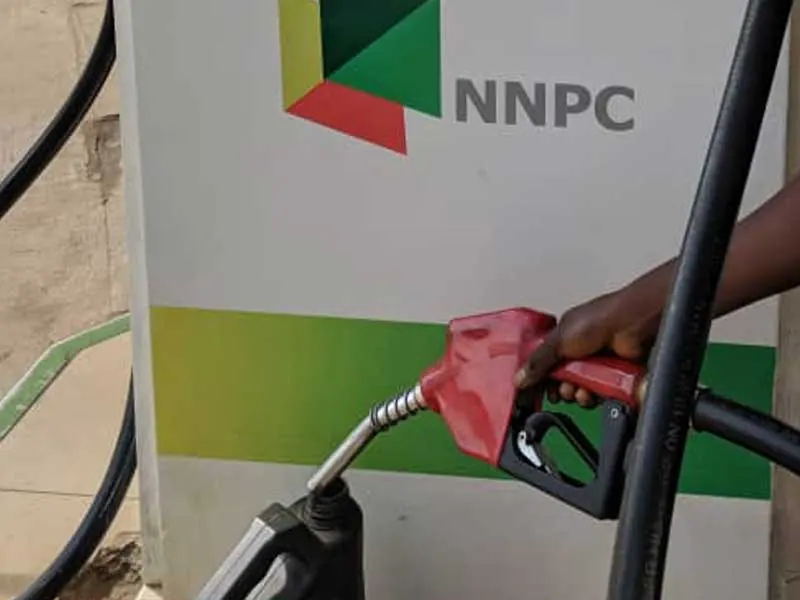
Nigeria consumed approximately 11.7 billion litres of petrol between January and August 2026, as demand weakened steadily due to rising pump prices. The Nigerian Midstream and Downstream Petroleum Regulatory Authority reported an average daily petrol consumption of 48.2 million litres during this period. This decline in demand is attributed to higher prices and economic pressures, reducing the volume consumed by motorists and businesses.
According to the NMDPRA's monthly factsheets, Nigeria's average daily petrol consumption stood at 54.7 million litres in the first quarter. January recorded the highest demand at 60.2 million litres per day, followed by 56.9 million litres in February and 47.3 million litres in March. However, the second quarter saw a decline in average daily consumption to 48.2 million litres, comprising 51.1 million litres in April, 46.3 million litres in May, and 47.4 million litres in June.
The decline in petrol demand became more pronounced in July and August, with average daily consumption dropping to 38.6 million litres. July recorded the lowest monthly demand at 35.7 million litres per day, while August saw a slight recovery to 41.5 million litres per day. This contraction in demand coincided with higher petrol prices during the period, with Lagos seeing an average actual pump price rise from N804.50 per litre in January to N1,291.11 in August.
The impact of higher pump prices and economic pressures on fuel demand was evident across various cities in Nigeria. In Abuja, the average pump price rose to N1,340.1, while Kano recorded N1,367.85, Calabar N1,294.62, Sokoto N1,364.76, Maiduguri N1,384.85, Ibadan N1,289.85, and Enugu N1,329.33. These prices remained over 50 per cent above the January level, contributing to the decline in petrol consumption.
In August, petrol consumption was roughly 31 per cent below the January level, underscoring the significant impact of higher pump prices and economic pressures on fuel demand. Conversely, the supply side underwent a significant structural change, with domestic refining increasingly displacing imports during the first half of the year. The Dangote Petroleum Refinery emerged as a dominant source of locally refined petrol.
The Dangote Petroleum Refinery's capacity utilisation rose significantly, from 61.27 per cent in January to 78.13 per cent in February, 93.62 per cent in March, and 99.12 per cent in April. Utilisation remained above nameplate capacity in May and June, at 101.25 per cent and 101.36 per cent, respectively, and subsequently rose to 105.21 per cent in August. This improvement in domestic refining was reflected in the supply balance.
In January, domestic refineries supplied an average of 40.1 million litres of petrol daily, compared with 24.8 million litres from imports, giving local supply a 61.8 per cent share of total receipts. Domestic supply remained dominant in February, March, April, and May, with refinery receipts standing at 92.4 per cent, 3, and other significant figures indicating a shift towards local refining.
Key points
- Nigeria's petrol demand declined to 11.7 billion litres between January and August 2026.
- The decline in demand was attributed to higher pump prices and economic pressures.
- Domestic refining, led by the Dangote Petroleum Refinery, increasingly displaced imports during the period.