A recent study conducted by the African Cities Research Consortium (ACRC) has found that food waste poses a significantly higher health risk than plastic waste in Lagos neighbourhoods without formal waste collection. The study, carried out in the Ajegunle-Ikorodu area, collected and hand-sorted waste from different locations between April and June 2026. Researchers and trained community scientists categorised the waste into six material categories, revealing that while PET plastic accounted for the largest share by weight, organic and food waste posed a higher operational health risk.
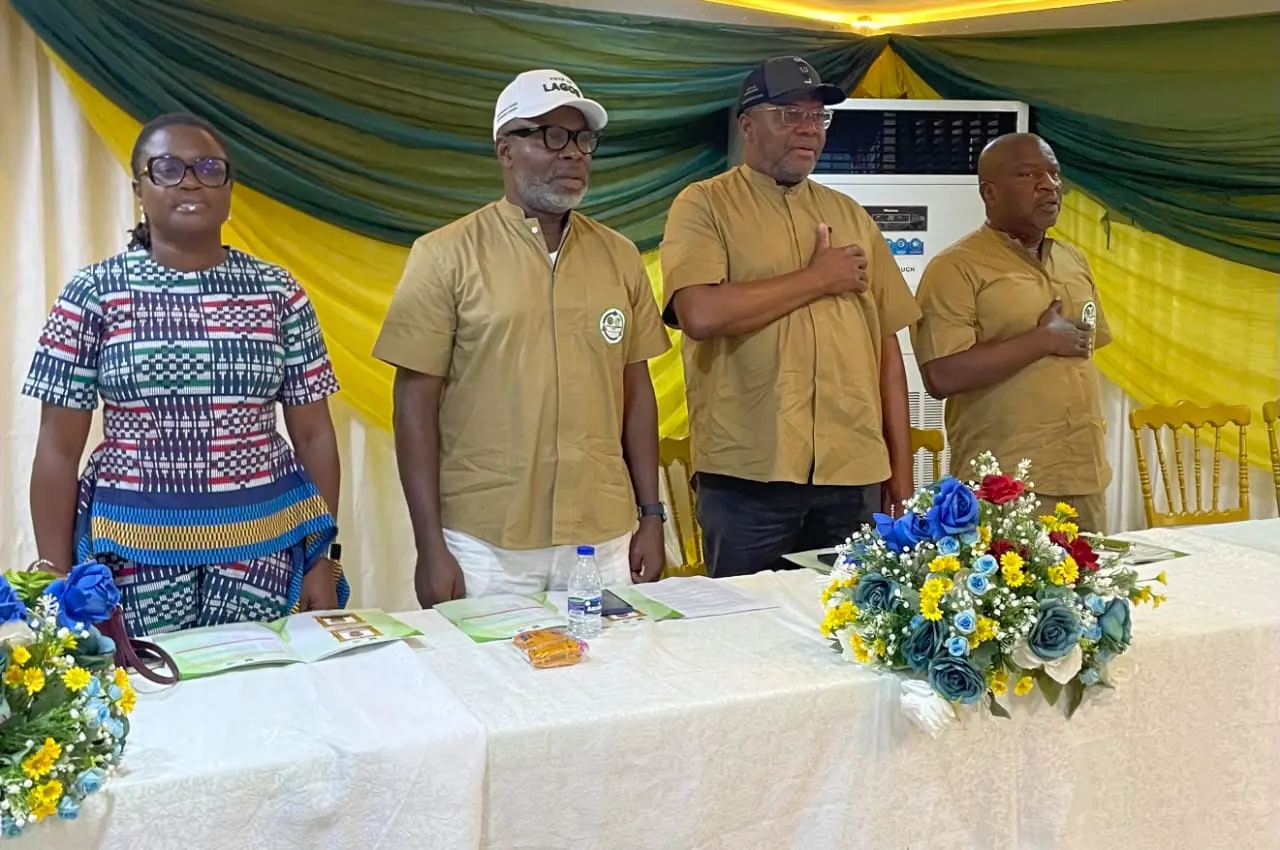
The study, presented to government, community, and industry stakeholders during a World Cleanup Day event, combined a household survey, focus group discussions, key informant interviews, and physical waste quantification. It found that most households in the settlement lacked formal waste collection due to narrow streets that prevent access by compactor trucks. An earlier attempt to introduce a collection fee collapsed after residents found the proposed household charge unaffordable. The study also discovered that many households experience flooding during the rainy season, with waste-blocked drainage identified as a major contributing factor.
Residents in affected areas reported a high incidence of waterborne diseases, highlighting the link between waste, flooding, and health risks. Dr Temilade Sesan, ACRC Lagos City Manager, noted that the findings showed the interconnectedness of waste, flooding, health, and climate risks. She cited two action research projects in Lagos that converged on the same canal, demonstrating the need for a comprehensive approach to address these challenges.
The study's findings have informed the development of community-based waste management solutions. The Lagos State Ministry of the Environment, in collaboration with ACRC, has been working to address the issue. ACRC's project converted an open plot that was becoming an illegal dumpsite into an integrated community hub combining plastic recovery, food-waste composting, and urban farming.
The community hub allows residents to bring recyclable materials and receive cash payments, while food waste is processed through a three-chamber composting system. The resulting compost is used on farming beds at the site, and recovered plastic is used for farm structures and irrigation. The facility is operated by community members on a rotating basis, with informal waste pickers engaged and paid to supply the hub.
The project has demonstrated the potential for community-led initiatives to address waste management and health risks in Lagos neighbourhoods. By engaging community members and informal waste pickers, the project has created a sustainable and inclusive solution. The Lagos State Ministry of the Environment has taken steps to replicate this model in other areas.
The study's findings and the project's success highlight the need for a collaborative approach to address the challenges of waste management, flooding, and health risks in Lagos. By working together, government, community, and industry stakeholders can develop effective solutions to mitigate these risks and create a healthier and more sustainable environment for residents.
Key points
- Food waste poses a higher health risk than plastic waste in Lagos neighbourhoods without formal waste collection.
- The study's findings have informed the development of community-based waste management solutions.
- A community-led project has successfully implemented an integrated waste management system, combining plastic recovery, food-waste composting, and urban farming.