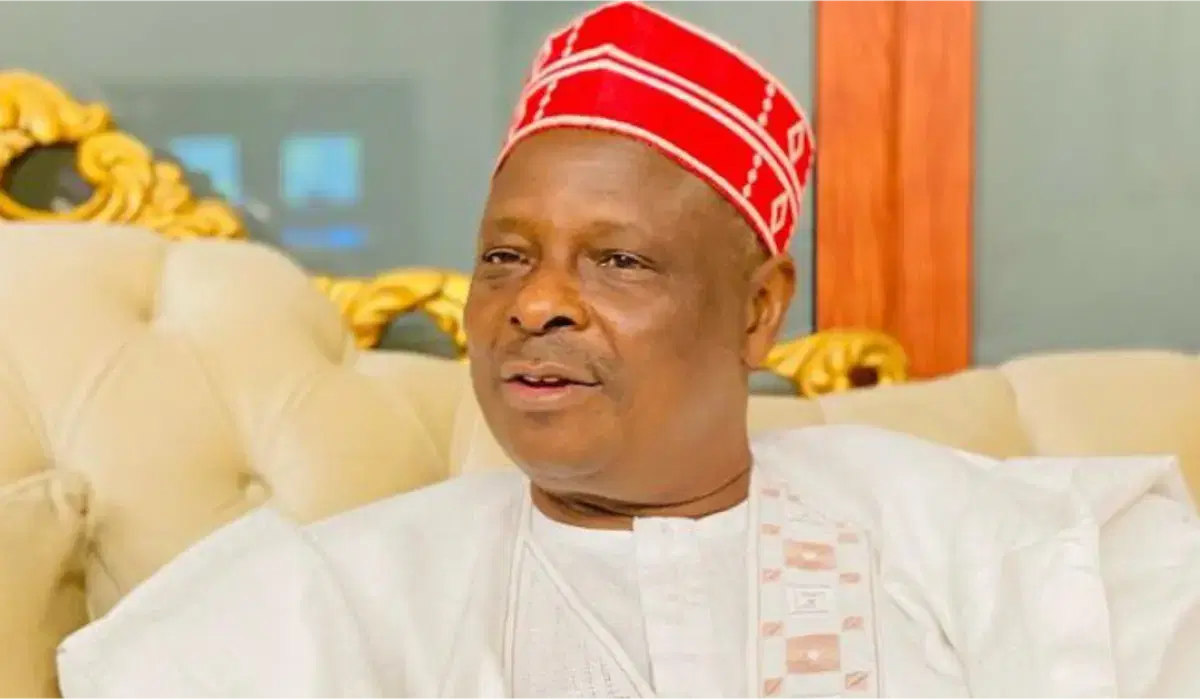
Rabiu Kwankwaso, the vice-presidential candidate of Nigeria's Democratic Congress (NDC), has stated that an administration led by the party's presidential candidate, Peter Obi, would reintroduce fuel subsidy in a different form. In an interview with Arise TV, Kwankwaso discussed the fuel subsidy policy of President Bola Tinubu's administration and the positions of presidential candidates ahead of the 2027 general elections.
Kwankwaso, a former Kano State governor, explained that the NDC would introduce its own approach to subsidy, investing in refineries and expanding domestic refining capacity to make petrol available to Nigerians at a reasonable price. He suggested that the government could establish refineries where necessary, arguing that increased domestic production would help bring down the cost of petroleum products.
According to Kwankwaso, the objective would be to ensure that Nigerians could purchase petrol at an affordable and reasonable price. He emphasized that the NDC would do whatever it takes to put the price of oil down. The party's approach would differ from the current subsidy policy, which was abruptly removed by President Tinubu in May 2023, leading to a sharp increase in petrol prices.
President Tinubu announced the end of the petrol subsidy in his inaugural address on May 29, 2023, declaring that "subsidy is gone." The announcement was followed by a sharp increase in petrol prices, with pump prices rising from below N200 per litre to more than N500 in many parts of the country. The increase also contributed to higher transportation and other living costs.
Kwankwaso criticized the manner in which the Tinubu administration implemented the removal of the petrol subsidy, saying the policy was introduced immediately after the President assumed office without adequate consideration of its consequences. He argued that the major presidential candidates in the 2023 election, including former Vice-President Atiku Abubakar, had campaigned on the need to remove the subsidy.
The debate over fuel pricing and subsidy policy has been renewed as political parties and opposition figures articulate their economic positions ahead of the 2027 general elections. Kwankwaso's comments come amid growing concerns about the economic impact of the subsidy removal, particularly on low-income households.
The NDC's plan to reintroduce fuel subsidy in a different form is likely to resonate with many Nigerians who have been affected by the sharp increase in petrol prices. The party's approach, which focuses on increasing domestic refining capacity, could potentially help reduce the country's reliance on imported petroleum products and stabilize fuel prices.
Key points
- The NDC plans to invest in refineries and expand domestic refining capacity to make petrol available to Nigerians at a reasonable price.
- President Tinubu's administration removed the petrol subsidy in May 2023, leading to a sharp increase in petrol prices.
- The NDC's approach to subsidy would differ from the current policy, which was abruptly removed without adequate consideration of its consequences.