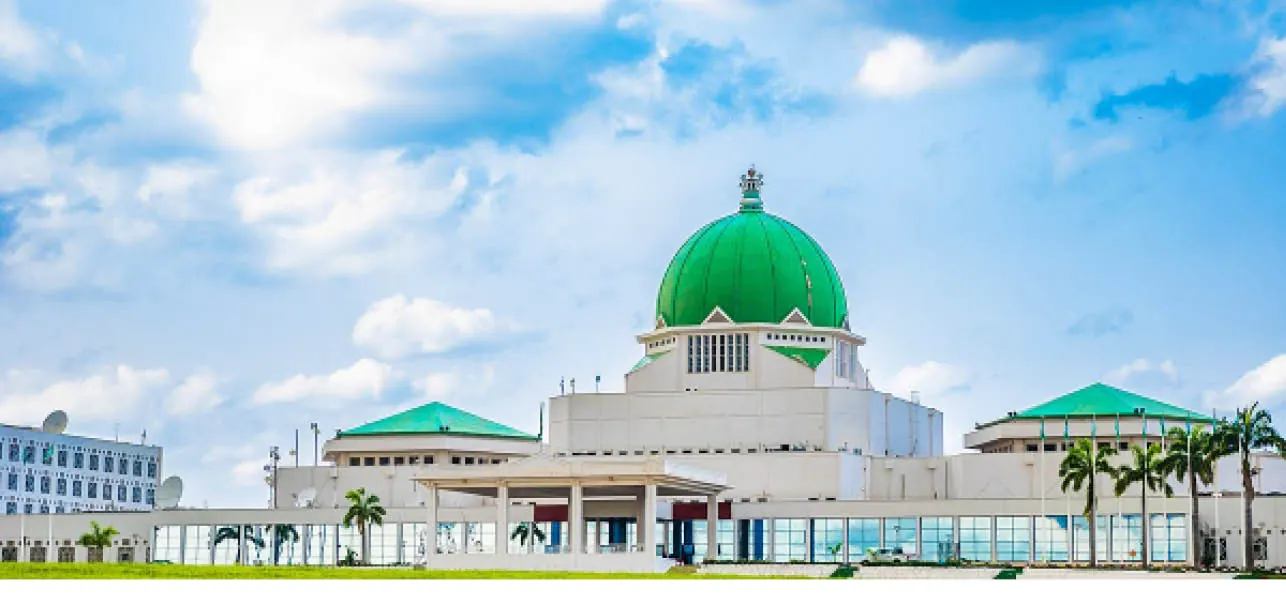
The National Assembly of Nigeria has once again extended the implementation deadline for the capital component of the 2025 Appropriation Act. This marks the fourth extension, with the new deadline set for December 31, 2026. The decision was made to provide ministries, departments, and agencies (MDAs) with sufficient time to complete capital projects for which funds have already been appropriated and released.
According to Senate Leader Opeyemi Bamidele, the extension was necessary due to several factors affecting the implementation of capital projects, including procurement procedures, contract execution, mobilisation, certification of completed works, and payment processes. He emphasized that the amendment would provide the necessary legal and administrative window for the completion of ongoing projects.
The Deputy Senate President, Senator Barau Jibrin, supported the extension, describing it as an important measure to prevent the proliferation of abandoned projects across the country. The Minority Leader, Senator Abba Moro, also backed the extension but cautioned against turning the debate into an avenue for political blame.
The House of Representatives also extended the implementation of the capital component of the 2025 Appropriation Act for the fourth time, moving the deadline from September 30 to December 31, 2026. The extension was approved during a plenary session following a motion moved by the House Leader, Julius Ihonvbere.
The National Assembly first extended the implementation period in December 2025, moving the deadline to March 31, 2026. The lawmakers subsequently extended it to June 30 and later to September 30. This fourth extension comes a day before the expiration of the latest deadline, providing MDAs with an additional three months to implement projects and utilise funds appropriated under the 2025 capital budget.
Economist Dr. Marcel Okeke described the budget extension as a "gross fiscal indiscipline," warning that such a practice distorts the purpose of annual appropriation laws and weakens public accountability. He argued that repeatedly altering the timing of budget implementation or moving portions of an appropriation from one year to another raises serious fiscal and governance concerns.
Lawyers and experts have raised concerns over the legal and accountability implications of the repeated extensions. Human rights lawyer Udochukwu Onoh said the recurring extensions reflect a wider problem with Nigeria's budget process, particularly delays in passing and assenting to appropriation bills. Others, including Victoria Adaji and Friday Odeh, also criticised the extension, citing challenges to Nigeria's public finance management framework and the potential for weakened accountability.
Key points
- The National Assembly has extended the 2025 budget deadline for the fourth time, moving the capital component implementation deadline to December 31, 2026.
- The extension aims to provide ministries, departments, and agencies with sufficient time to complete capital projects for which funds have already been appropriated and released.
- Experts have raised concerns over the implications of the repeated extensions, citing gross fiscal indiscipline, weakened accountability, and challenges to Nigeria's public finance management framework.