Nigeria's manufacturing sector is grappling with a growing energy-cost crisis, with industrial firms spending N1.34 trillion on energy over a two-year period. The Manufacturers Association of Nigeria reported that manufacturers' energy expenditure rose 71.4 per cent over the period. This increase is attributed to unreliable grid supply, rising fuel costs, and repeated tariff pressures, which squeeze factory margins and weaken competitiveness.
The burden of energy costs extends beyond conventional electricity bills, as manufacturers increasingly operate a parallel "shadow grid" powered by diesel generators and other private energy sources. This exposes production costs to the volatility of petroleum prices. In March and April alone, manufacturers spent an estimated N1.83 trillion on diesel, highlighting the scale of the cost being transferred from the power sector to industrial balance sheets.
The energy crisis is particularly damaging for factories, as energy is a direct component of the cost of producing virtually every unit of goods. When electricity and fuel costs rise sharply, manufacturers are forced either to absorb the increase and suffer weaker margins or pass it to consumers through higher prices. This creates a wider economic problem, as Nigerian households already face weak purchasing power and imported products become more competitive against locally manufactured goods.
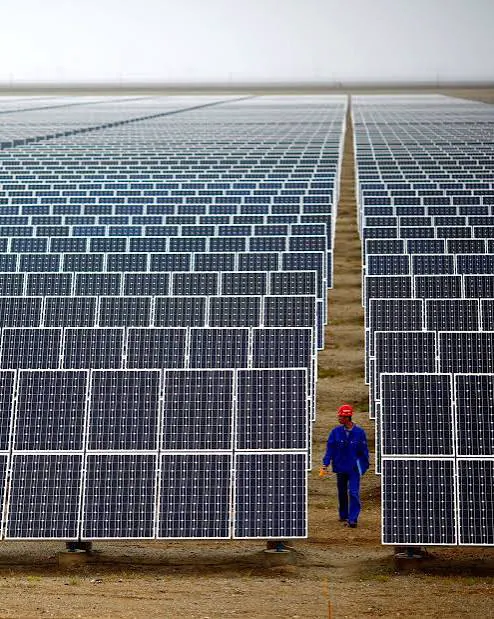
To mitigate the energy crisis, manufacturers are looking beyond diesel and conventional grid supply towards hybrid energy systems combining solar, batteries, gas, and the national grid. The emerging model is Power-as-a-Service, under which energy companies finance, install, and operate the equipment, while manufacturers pay for the electricity consumed under contractual arrangements. This approach offers cost predictability and cleaner energy.
Factories operating mainly during daylight hours can use solar power for a significant part of their production cycle, reducing dependence on diesel generation and expensive peak electricity. A predictable energy tariff also allows manufacturers to forecast production costs more accurately and make longer-term pricing and investment decisions. This is crucial, as access to conventional bank financing remains expensive, with prime lending rates averaging about 24.4 per cent.
The economic argument for hybrid energy systems is becoming stronger, as factory capacity utilisation comes under pressure. Average utilisation is below 60 per cent, with rising energy costs contributing to the difficulty manufacturers face in keeping plants operating at full capacity. Lower and more predictable energy costs could improve factory utilisation, reduce production costs, protect jobs, and make locally produced goods more competitive against imports.
Nigeria's energy challenge is increasingly becoming a question of industrial survival rather than simply electricity supply. As manufacturers search for ways to defend margins, the next phase of the sector's energy transition may be driven less by environmental considerations than by a hard commercial calculation: companies that can secure cheaper, more predictable electricity will have a better chance of keeping factories open, prices competitive, and production growing.
Key points
- Manufacturers Association of Nigeria reported 71.4% rise in energy expenditure
- Energy costs squeeze factory margins and weaken competitiveness
- Hybrid energy systems offer cost predictability and cleaner energy