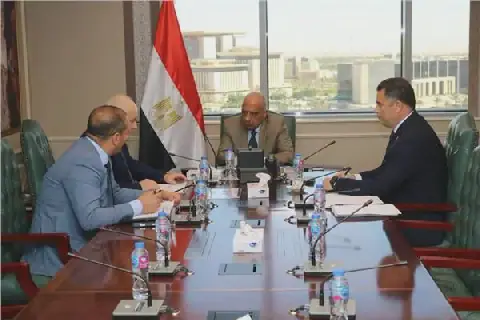
The Ben Guerdane free zone project in Tunisia has entered a new phase with the announcement of new legal texts aimed at providing more flexibility to the project. On September 25, Minister of Trade and Export Development Samir Abid revealed that a plan of action with short, medium, and long-term deadlines has been prepared. This move is intended to accelerate the project's development, but it does not signify that the zone is currently operational.
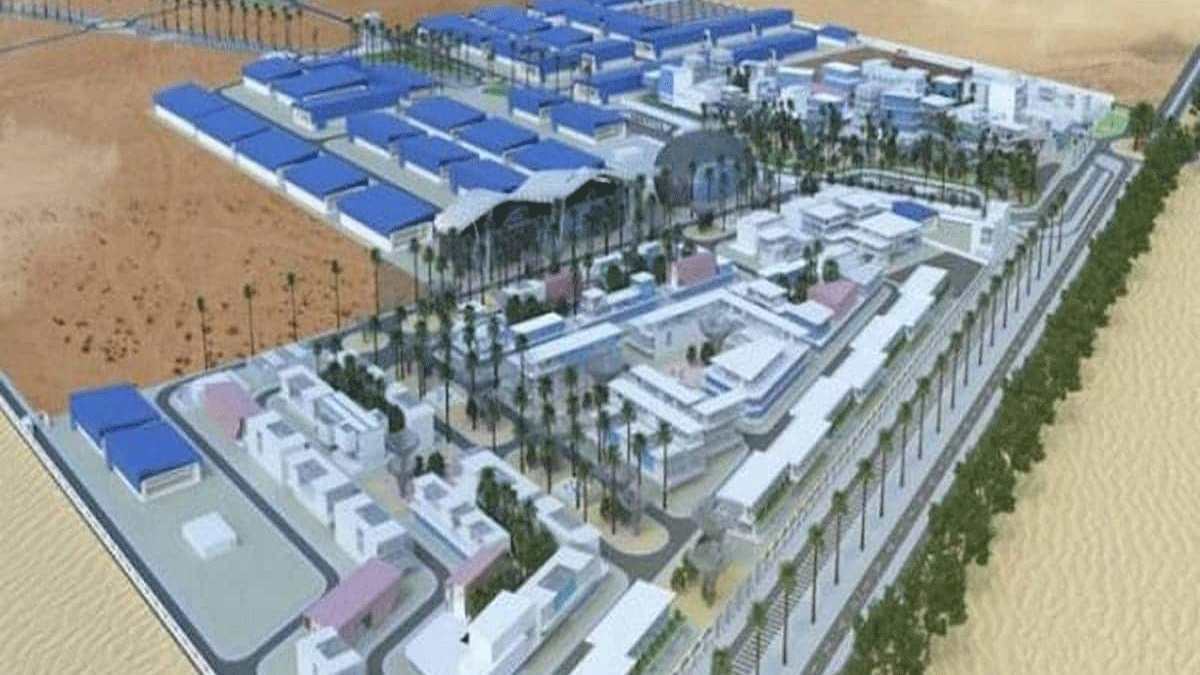
Several steps must still be taken before the zone can become operational. According to documents from the Tunisian Trade Office, these steps include connecting the zone to the national and regional road network and amending a government decree from March 2017. Additional work is required for technical studies, execution plans, and internal development of the first phase, which covers 71.2 hectares of the planned 150 hectares in Choucha, Ben Guerdane.
The first phase of the project is estimated to cost 850 million dinars, which corresponds to the project's planned dimensions and should not be considered as an already-made investment. The Office of Commerce and Trade estimates that the zone could create around 9,000 direct jobs in the future. However, this is a projection and not a reflection of currently existing jobs.
The Ben Guerdane free zone is envisioned as a key component of Tunisia's trade with Libya and as part of the corridors to African markets. Despite its potential, the project faces the challenge of transforming announcements, texts, and infrastructure into a verifiable execution schedule. The project's progress will now be measured by its ability to meet this challenge.
The project's planned area spans 150 hectares, with 71.2 hectares allocated for the first phase. The estimated cost for this phase is 850 million dinars, and it is expected to generate approximately 9,000 direct jobs upon completion. These figures highlight the project's potential economic impact, but its actual realization remains contingent on overcoming existing hurdles.
Minister Abid's announcement indicates a renewed commitment to moving the project forward. However, the details of the new legal texts and their adoption timeline have not been made public. The project's success will depend on the effective implementation of these texts and the completion of the necessary technical and regulatory steps.
The Ben Guerdane free zone project has been long-awaited as a significant economic development for the region. Its operationalization is expected to boost trade, create jobs, and enhance Tunisia's economic ties with neighboring countries, particularly Libya. The project's progress will be closely watched as it navigates the remaining challenges to become a reality.
Key points
- The project aims to create around 9,000 direct jobs and spans a total area of 150 hectares.
- The first phase of the project is estimated to cost 850 million dinars.
- The zone's operationalization is contingent on completing several technical and regulatory steps.