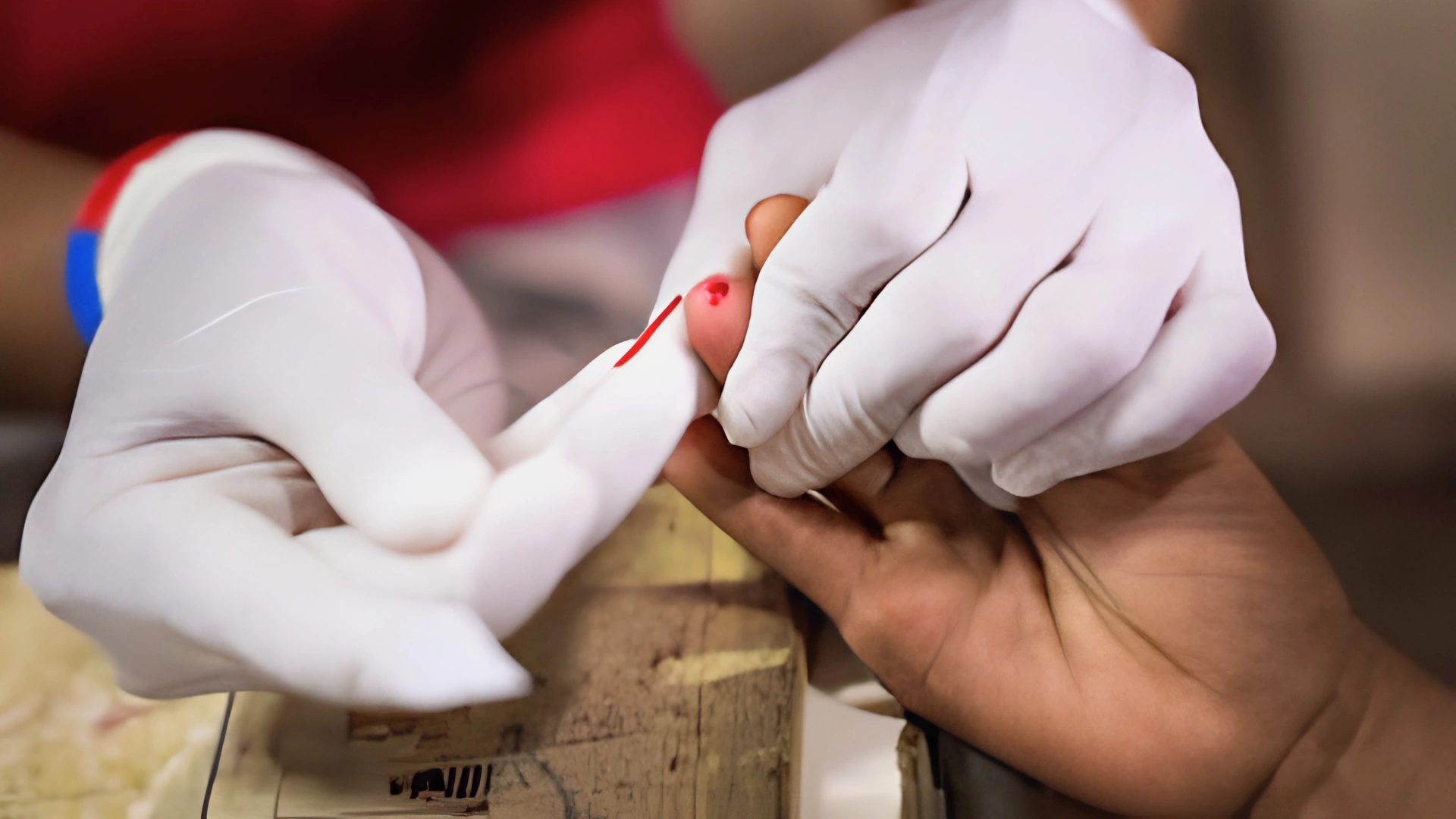
The Nigerian government has announced plans to subsidize Rapid Diagnostic Tests (RDTs) and Artemisinin-based Combination Therapies (ACTs) to reduce the cost of malaria treatment and improve access to quality-assured medicines for vulnerable Nigerians in rural communities. The initiative, known as the Affordable Diagnostics and Medicines Facility for Malaria (ADMFM), will initially target the private sector, particularly patent and proprietary medicine vendors (PPMVs), in underserved communities. The program has over N2 billion in funding from the World Bank-supported IMPACT Project.
The National Coordinator of the National Malaria Elimination Programme (NMEP), Dr. Nnenna Ogbulafor, disclosed the government's new package in Abuja, stating that it was designed to make malaria diagnosis and treatment more affordable. She emphasized the importance of testing before treatment, noting that malaria fever can be caused by several illnesses and should not be automatically treated as malaria. According to her, it is only after malaria has been confirmed through diagnosis that patients should be given appropriate treatment with artemisinin-based combination therapies (ACTs).
Nigeria accounts for 27% of global malaria cases and 31% of malaria-induced deaths, with studies revealing that up to 83% of patients are wrongly treated for malaria based on symptoms alone. The country still has a long way to go in containing the disease, with the failure of authorities to prioritize diagnostic testing over the years, poor diagnostic capacity, out-of-pocket treatment costs, and public misconceptions undermining the country's malaria control efforts and fueling drug resistance.
The Nigeria Malaria Indicator Survey (NMIS) 2025 reported that only about 44.9% of children sleep inside insecticide-treated nets (ITNs), leaving the remaining 55% unprotected from mosquito bites that spread malaria. Young children, pregnant women, and their unborn are the most vulnerable to malaria, with the World Health Organisation (WHO) considering Nigeria a global epicenter of malaria. The country contributes over 54% of the total caseload in West Africa and records an estimated 68.5 million malaria cases and nearly 185,000 deaths annually.
The economic losses to Nigeria's Gross Domestic Product (GDP) due to malaria exceed $1.1 billion annually, caused by concomitant healthcare expenditure, premature mortality, and diminished labor output. Malaria bouts routinely plunge low-income families into medical impoverishment, with the disease accounting for roughly 40% of public health expenditures, 60% of outpatient visits, and millions of lost workdays and school absenteeism days annually.
Experts are advising the country to be prepared to scale up systematic IRS and environmental larviciding in high-density peri-urban settlements and agricultural zones, in addition to effectively managing municipal drainage and generally improving waste management systems. Some countries, including Algeria, Egypt, Sri Lanka, Cape Verde, China, and Azerbaijan, have been certified malaria-free by the WHO, achieving this feat through sustained commitment of political leadership, synchronized public health interventions, and rigorous micro-level monitoring.
There is a growing call for setting up a National Malaria and Research Control Centre for Afro-centric research into local herbal solutions, which would be cheaper and readily available. In the interim, creating awareness of the use of Insecticide-Treated Nets (ITNs) is crucial, as this has been proven to significantly reduce child death. Nigeria must also consider moving from standard Pyrethroid-treated nets to Piperonyl Butoxide (PBO) dual-active nets to overcome resistance of Anopheles mosquito to some nets.
Key points
- The Nigerian government's plan to subsidize malaria diagnostic tests and treatments has been deemed insufficient to address the country's malaria crisis.
- Nigeria accounts for 27% of global malaria cases and 31% of malaria-induced deaths.
- The economic losses to Nigeria's GDP due to malaria exceed $1.1 billion annually.