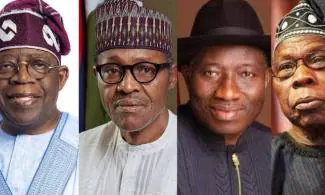
On October 1, 2026, President Bola Ahmed Tinubu marked Nigeria's 66th independence anniversary with a call to action. He stated that successive leaders had opted for temporary solutions to ease the country's economic problems rather than addressing the root causes. Tinubu compared Nigeria's economic situation to a cancer patient who chooses morphine over treatment, allowing the disease to spread. He emphasized that difficult economic decisions could no longer be avoided.
Tinubu's comments reflect his administration's efforts to defend the economic reforms introduced. According to him, by 2023, poverty was rising, and hope was dwindling. The country's situation had become increasingly dire. Tinubu stated that his administration had no choice but to act and take difficult decisions to address the underlying problems. He highlighted that previous governments had focused on symptoms rather than the deeper weaknesses in the economy.
The President explained that previous administrations had spent huge amounts of money on inefficient arrangements that were not sustainable. He noted that difficult decisions were repeatedly postponed, and the consequences were passed from one generation to the next. Tinubu acknowledged that his administration's reforms had been difficult and had caused "side effects," but he argued that these should not be confused with the underlying economic problems the reforms aimed to address.
Tinubu claimed that the economy had grown by more than 4% in 2026, with both the oil and non-oil sectors contributing to the growth. He also stated that oil theft had declined, inflation had fallen substantially from its peak, foreign reserves had been rebuilt, and the foreign exchange market had stabilized. Additionally, Nigeria recorded over $6 billion in non-oil export revenue in 2025, the highest in the country's history.
The President outlined the next phase of his administration's focus: translating economic changes into broader prosperity for Nigerians. He stated that the government's priority would include reducing the cost of living, creating productive jobs, and expanding opportunities for Nigerians. Tinubu emphasized that the administration would achieve lower prices by reducing the cost of producing and transporting goods, while investing in agriculture, infrastructure, manufacturing, energy, and transportation.
Tinubu's administration plans to strengthen direct support for poor households and improve the National Social Register to ensure assistance reaches those who genuinely need it. He also mentioned the Nigerian Education Loan Fund, which would help children from low-income families access higher education. Furthermore, CREDICORP would provide consumer credit for Nigerians seeking to acquire vehicles, solar systems, digital devices, and other essential assets.
The President's ultimate objective is not simply to manage poverty but to defeat it. He emphasized that the government's goal is to create shared and widespread prosperity. Tinubu concluded that the emergency treatment phase was over, and the foundation had been repaired. The central economic task before the administration had changed, focusing on creating a more prosperous future for Nigerians.
Key points
- President Tinubu emphasized that previous Nigerian leaders chose temporary fixes instead of addressing the root causes of the country's economic problems.
- The President outlined his administration's plans to reduce the cost of living, create productive jobs, and expand opportunities for Nigerians.
- Tinubu's ultimate objective is to defeat poverty and create shared and widespread prosperity.