A severe gridlock on major highways in Nigeria's South-South region has left thousands of commuters and truck operators stranded for nearly a week. The Benin-Agbor-Onitsha Road and the Benin-Sapele-Effurun corridor have been particularly affected, with vehicles carrying essential commodities immobilized. Some travelers have resorted to trekking long distances or using commercial motorcycles as an alternative. The crisis has severe consequences, with manufacturers in the Edo-Delta axis estimating losses of over N500 billion due to factory closures and disrupted supply chains.
The gridlock is a stark reminder of Nigeria's neglect of critical infrastructure, which has paralyzed the regional economy and imposed enormous costs on businesses, households, and government. The Benin-Sapele-Effurun Road, once considered one of the country's better highways, has deteriorated significantly due to inadequate maintenance. Constructed during the administration of former President Olusegun Obasanjo, the road served as a critical economic artery but has been neglected over the years.
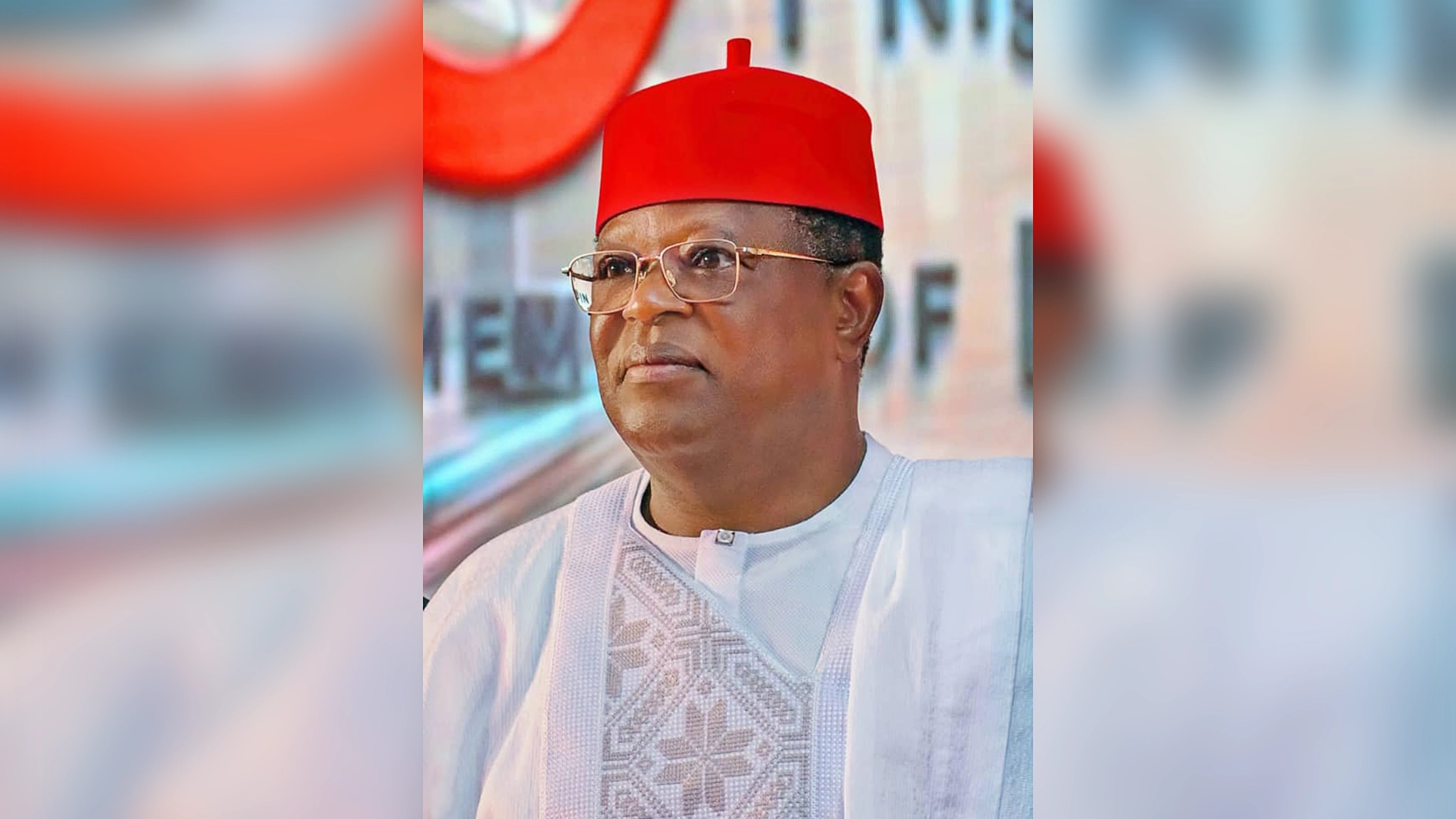
The Federal Government has intervened, with the Minister of Works, Dave Umahi, visiting the affected areas and commencing palliative works. However, emergency intervention must not become a temporary measure that merely restores traffic for a few weeks or months before the underlying problems return. A comprehensive rehabilitation strategy is needed, based on engineering assessments, drainage improvement, pavement reconstruction, and effective traffic management.
The controversy surrounding the Benin-Asaba Expressway concession has raised questions about project supervision and procurement. The Minister of Works' criticism of the concessionaire for removing existing asphalt without adequate drainage and his accusation that the company lacks technical capacity have sparked concerns. If these allegations are established, sanctions should follow. Public infrastructure cannot be handed to private operators without rigorous technical scrutiny and effective monitoring.
The crisis has exposed Nigeria's overdependence on road transportation, with heavy trucks placing enormous pressure on highways. A functioning rail freight network would provide an important alternative, reduce road congestion, and extend the life of major highways. The government should pursue an integrated transport strategy, where roads, railways, inland waterways, and other modes complement one another.
The Federal Government's announcement of new and redesigned road projects in the Southwest, including the N297 billion Ibadan-Ijebu-Ode Road, demonstrates its infrastructure ambition. However, the lesson from Benin is that new projects should not compromise on maintenance. The country cannot afford to build roads at great cost and then allow them to deteriorate due to delayed routine maintenance.
The economic argument for maintenance is overwhelming, with every hour a truck remains stranded representing lost productivity and every factory that shuts down representing lost output and employment. The food-security implications are equally serious, with Nigeria already suffering enormous post-harvest losses due to poor transportation and inadequate storage. The African Development Bank has estimated annual post-harvest losses at about N3.5 trillion.
Key points
- Nigeria's infrastructure neglect has severe economic and food-security implications.
- A comprehensive rehabilitation strategy is needed to address the gridlock.
- An integrated transport strategy could reduce road congestion and extend highway life.