Nigeria's infrastructure development has been a longstanding challenge, with successive governments struggling to deliver on their promises. A look back at the country's democratic journey from 1979 to the present day reveals a painful history of abandoned projects, particularly during the reign of the Peoples Democratic Party (PDP). The PDP-controlled government between 1999 and 2015 allegedly committed $16 billion to the power sector, but Nigerians continue to suffer from perpetual darkness.
One notable abandoned project is the dredging of the lower River Niger, which was awarded in December 2008 by then-President Umaru Musa Yar'Adua at an initial cost of ₦34.8 billion. The project aimed to open inland water transport all the way to the Atlantic Ocean. However, following Yar'Adua's sudden demise, the Federal Government under Goodluck Jonathan halted the capital dredging and instead transferred ₦19 billion of intervention funds to the Ministry of the Niger Delta for shoreline protection and land reclamation.
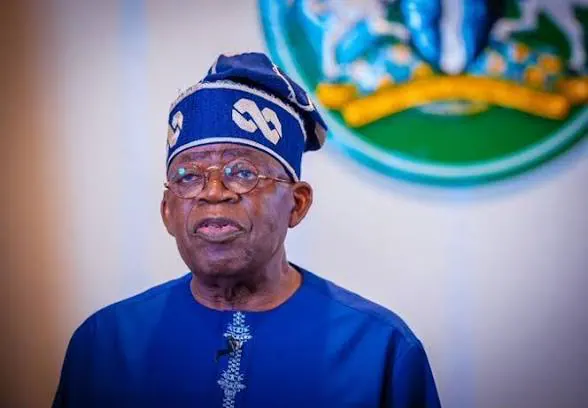
Critics argued that this policy shift abandoned Yar'Adua's original vision, and the consequences are evident today. Many states along the River Niger suffer from severe seasonal flooding because the riverbed remains undredged. In contrast, the current All Progressives Congress (APC) administration under President Bola Ahmed Tinubu is redefining governance through project execution. The government is utilizing borrowing to fund infrastructure projects, which are visibly translating into roads, bridges, and rail networks.
For the first time, contractors are working under strict deadlines, and major national infrastructure projects are nearing completion. The Abuja-Lokoja road, originally awarded in 2006 under the PDP, had languished for over a decade but is now nearing completion under the APC's progressive vision. Similarly, the Abuja-Kaduna and Abuja-Kogi state corridor projects are making significant progress.
President Tinubu's administration is building on the foundational legacy of late President Alhaji Shehu Usman Shagari, who industrialized Nigeria through projects like the Ajaokuta and Aladja Steel complexes. Tinubu's focus on open roads and critical infrastructure is driving national economic growth. His Renewed Hope Agenda for 2027 aims to sustain this momentum and bring about long-term utility.
The APC's slogan of "Change" is actively manifesting as a transition from historical waste to long-term utility. The administration's commitment to infrastructure development has earned it a reputation for delivering on its promises. As the government looks to the future, its focus on sustaining this momentum and handing over the mantle of leadership to a courageous successor will be crucial.
Key points
- President Tinubu's administration has made significant strides in infrastructure development, with a focus on roads, bridges, and rail networks.
- The government's Renewed Hope Agenda for 2027 aims to sustain this momentum and drive national economic growth.
- The administration's commitment to infrastructure development marks a departure from previous governments marred by abandoned projects and unfulfilled promises.