On August 17, 2026, President Bola Tinubu urged state governors to implement an aggressive CNG-powered transportation system to reduce transport fares. A month later, he updated Nigerians on the National Affordable CNG Transit Programme, launched after meeting with the 36 state governors. The programme aimed to reduce transport fares and wean transporters off fuel consumption. The presidential directive was expected to bring relief to Nigerians struggling with high transport costs.
However, on October 1, Nigeria's Independence Day, transport fares remained largely unchanged across several states. According to reports, commuters continued to pay the same or even higher fares. Some state governments introduced subsidized or free CNG-powered transportation schemes, but these initiatives were limited in coverage. Millions of commuters remained dependent on commercial buses, whose operators struggled with expensive fuel, spare parts, and maintenance costs.
In several states, transport unions reported not receiving CNG buses, while motorists complained about inadequate infrastructure, including a shortage of refueling facilities and conversion centers. A situation report covering many states, including Enugu, Anambra, Delta, Imo, Sokoto, Kebbi, Jigawa, Gombe, Edo, Plateau, Ondo, Osun, Oyo, and Ogun, revealed that transportation fares remained largely unchanged.
The Chairman of the Presidential Initiative on Compressed Natural Gas and Electric Vehicles, Ismaeel Ahmed, clarified that October 1 was not a deadline for all states to implement fare reductions simultaneously. Instead, it marked the date from which the Federal Government would begin monitoring the rollout across the country. However, transport union leaders and drivers claimed they were unaware of the CNG programme.
The CNG programme has been on the agenda for the past two years, but a visible, measurable outcome is yet to be seen. The presidential directive was expected to give further impetus to a policy that may have otherwise faded into obscurity. With most states governed by the All Progressives Congress (APC), there ought to be a point of policy convergence between the Federal Government and the states.
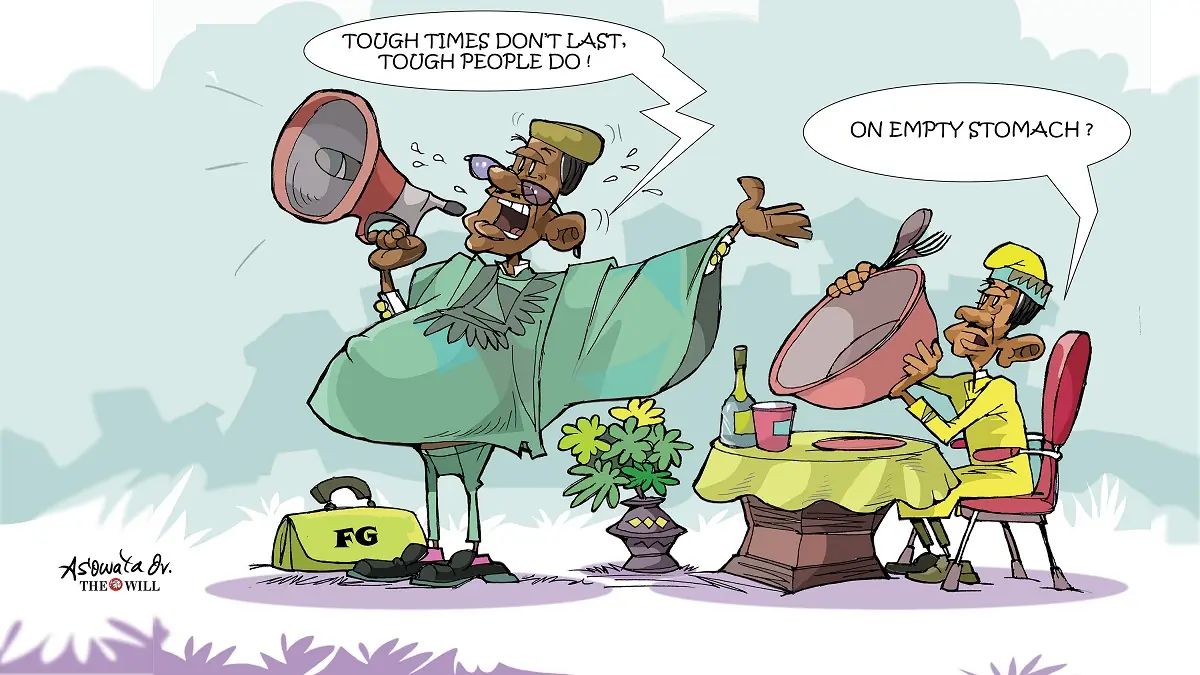
The optics of the situation raise questions about the ability of the government to implement its directives. If APC-compliant governors fail to execute the presidential directive with the required speed and attention, it is unclear how the ordinary citizenry can hold them accountable. The government missed an opportunity to make a statement on governance in Nigeria on Independence Day.
The unchanged transport fares on Independence Day have raised concerns about the government's ability to deliver on its promises. With Nigeria's 65th independence anniversary marked on October 1, citizens are calling for timely reforms in the country's political, cultural, and economic structures. The government's inability to implement the CNG programme has left many wondering if there is anything to celebrate.
Key points
- Despite President Bola Tinubu's directive, transport fares in Nigeria remain unchanged on Independence Day.
- The CNG programme, aimed at reducing transport fares, has not yielded visible results.
- The government's inability to implement the programme has raised concerns about its ability to deliver on its promises.