Nigeria marked 66 years of independence on October 1, 2026, and as the country reflects on its journey, it's clear that its influence extends far beyond its borders. From music to literature, film to fashion, Nigeria has made significant contributions to global culture. Nigerian songs are played at parties worldwide, while books written by Nigerians are studied in classrooms abroad. The country's food, too, has become a staple in many international kitchens.
Nigerian music, particularly Afrobeats, has gained immense popularity globally. The genre was pioneered by Fela Anikulapo-Kuti and drummer Tony Allen, who mixed jazz, highlife, funk, and Yoruba rhythms with songs that challenged those in power. Today, artists like Wizkid, Burna Boy, Davido, and Rema have taken Nigerian pop to a wider audience abroad. Afrobeats shares roots with Ghana, but Nigerian artistes have played a significant role in its success.
Nollywood, Nigeria's film industry, has also made a significant impact globally. The industry was built through affordable productions and films that people watched at home. Later, cinema releases and streaming opened more doors. Nollywood's success showed that local stories could attract audiences far beyond the places where they were made. The industry has brought Nigerian homes, family troubles, humor, and beliefs to screens across Africa.
Nigerian literature has also made a significant contribution to the world. Chinua Achebe's "Things Fall Apart," published in 1958, helped readers understand Igbo life through the eyes of an African writer. The book remains widely studied. Wole Soyinka made history in 1986 as the first African to win the Nobel Prize in Literature. Their books and plays gave the world stories that challenged narrow ideas about Africa.
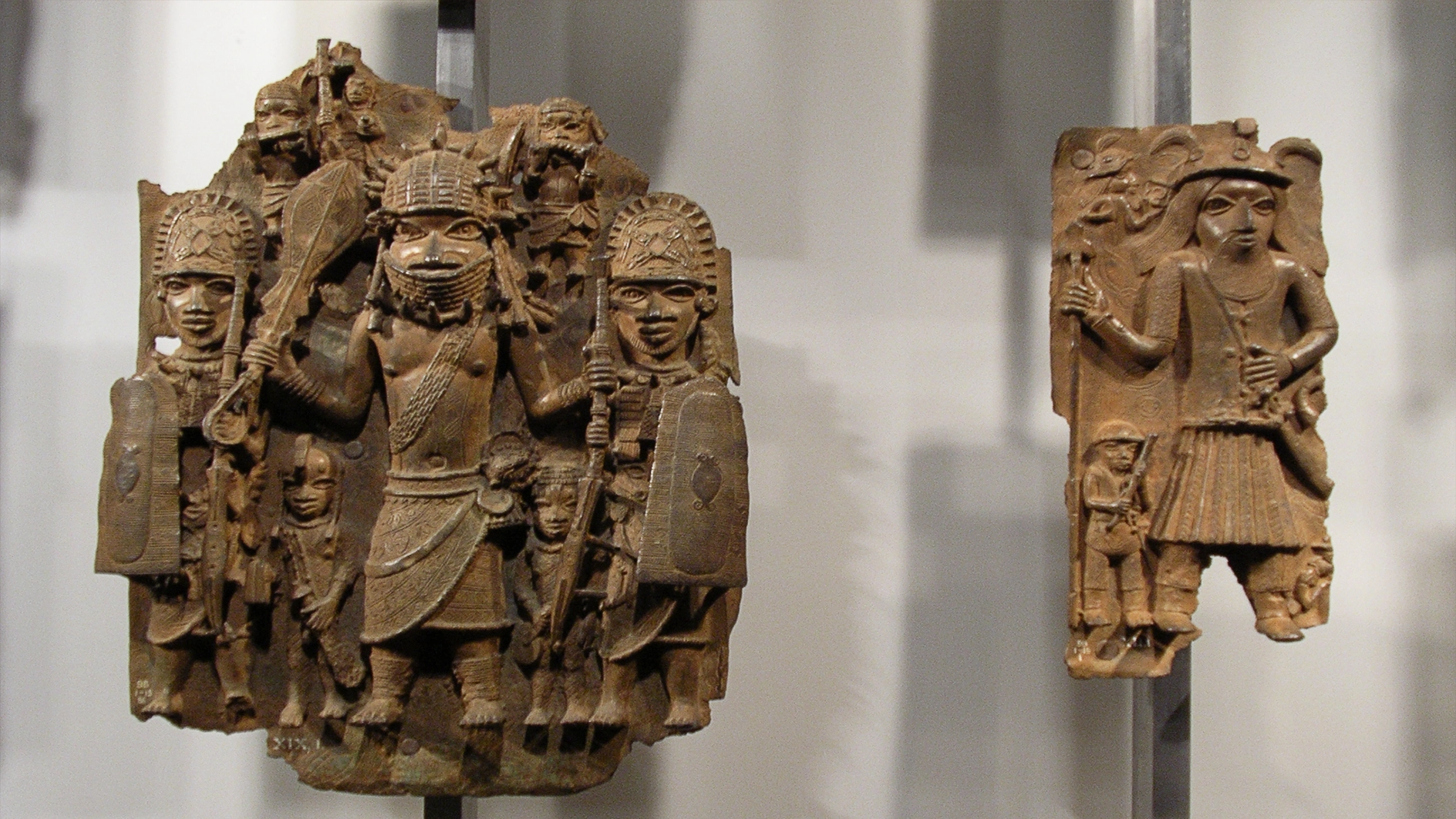
Nigerian art, particularly the Benin Bronzes, showcases the skill of Edo artists who recorded royal life and history through metalwork and carving. These works came from the Kingdom of Benin in present-day Nigeria. British forces stole many during their attack on Benin City in 1897. The return of these artifacts has become part of a global debate about who owns art taken under colonial rule.
Nigerian fashion, particularly Adire and aso oke, carries generations of Nigerian skill. Yoruba dyers create Adire patterns by treating parts of the cloth so they resist dye. Weavers make aso oke in narrow strips, then join them together. Nigerian designers have brought these fabrics into modern collections, while museums like London's Victoria and Albert Museum document the craft behind them.
Nigerian contributions to the world also extend to medical research, football, peacekeeping, and Yoruba traditions. Dr. Olufunmilayo Olopade's research has helped doctors understand inherited breast cancer risk. Nigeria's national football team won Olympic gold in 1996, while Nigerian soldiers and police have served in dozens of UN peacekeeping missions. Yoruba traditions, including Ifa, have remained part of community life beyond Nigeria, preserving language, stories, and knowledge across generations.
Key points
- Nigerian music, film, and literature have gained significant global recognition.
- The country's art, fashion, and food have also made significant contributions to global culture.
- Nigerian contributions to medical research, football, peacekeeping, and Yoruba traditions have had a lasting impact worldwide.