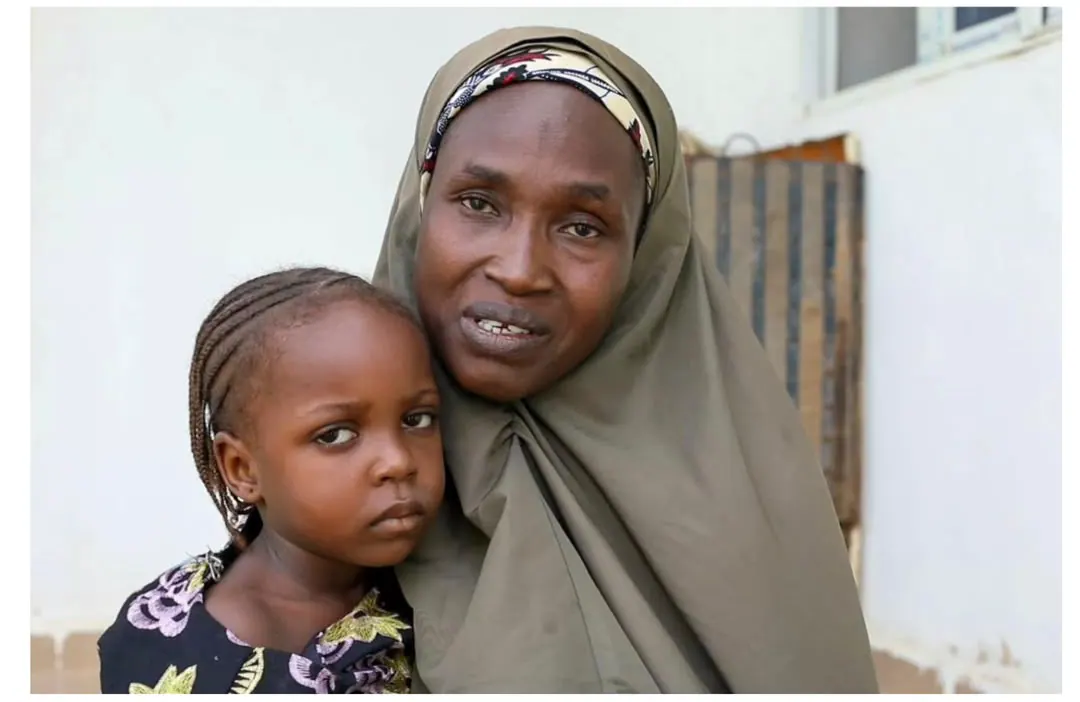
In a significant effort to boost child survival rates, the Safety and Antimicrobial Resistance of Mass Administration of Azithromycin in Nigeria (SARMAAN) Project has been making strides in northern Nigeria. Two mothers, Saratu Sharif Musa from Jigawa State and Asmau Aliyu from Sokoto State, have shared their positive experiences with the mass administration of azithromycin to children under the programme. Their stories highlight the importance of community engagement and trust in public health interventions.
Musa, a mother of two, had been concerned about her children's recurring fever, particularly at night. Her children received azithromycin during a house-to-house distribution exercise under the SARMAAN Project. A community health worker visited her home, explained the purpose of the medicine, administered the recommended dose, and answered her questions. Since then, Musa has noticed a significant reduction in her children's fever episodes.
Aliyu, a mother of five, initially had doubts about the azithromycin campaign but became more comfortable after hearing information about it on the radio and receiving explanations from health workers in her community. Her husband convinced her to have their children receive the medicine, and she was pleased to see her children appear stronger and more active in the weeks following the administration.
The experiences of Musa and Aliyu underscore the crucial role of community engagement in gaining acceptance for public health interventions, particularly those involving the administration of medicines to children. The SARMAAN Project supports the administration of azithromycin to eligible children aged one to 59 months in high-mortality communities, with safety monitoring and surveillance for antimicrobial resistance.
The programme has reached more than 16 million children across 11 northern states, according to programme data. The intervention aims to reduce childhood illnesses and deaths, particularly those associated with malaria, pneumonia, and diarrhoea. Nigeria continues to face a high burden of child mortality, with the 2024 Nigeria Demographic and Health Survey putting the under-five mortality rate at 110 deaths per 1,000 live births.
Health officials and programme managers have identified community engagement as an essential part of efforts to improve acceptance and ensure that eligible children are reached. The programme involves health workers, community leaders, women leaders, religious leaders, and other community representatives in explaining the intervention, addressing concerns, and encouraging caregivers to make informed decisions.
The SARMAAN Project's current phase combines mass administration with safety monitoring and antimicrobial resistance surveillance. For Musa and Aliyu, the opportunity to ask questions and observe how the medicine was administered helped them become more comfortable with the intervention. Their accounts illustrate the importance of communication between health workers and caregivers as Nigeria continues efforts to reduce preventable deaths among children.
Key points
- The SARMAAN Project has reached more than 16 million children across 11 northern states.
- Community engagement is crucial in gaining acceptance for public health interventions.
- The programme aims to reduce childhood illnesses and deaths associated with malaria, pneumonia, and diarrhoea.