The Midstream and Downstream Gas Infrastructure Fund (MDGIF) has secured N1.6 trillion in private-sector investment over 20 months to expand and modernize Nigeria's gas infrastructure. This investment supports 31 projects and 205 infrastructure assets across the country. The projects have the capacity to deliver 475 million standard cubic feet (scf) of gas daily to the domestic market when fully operational.
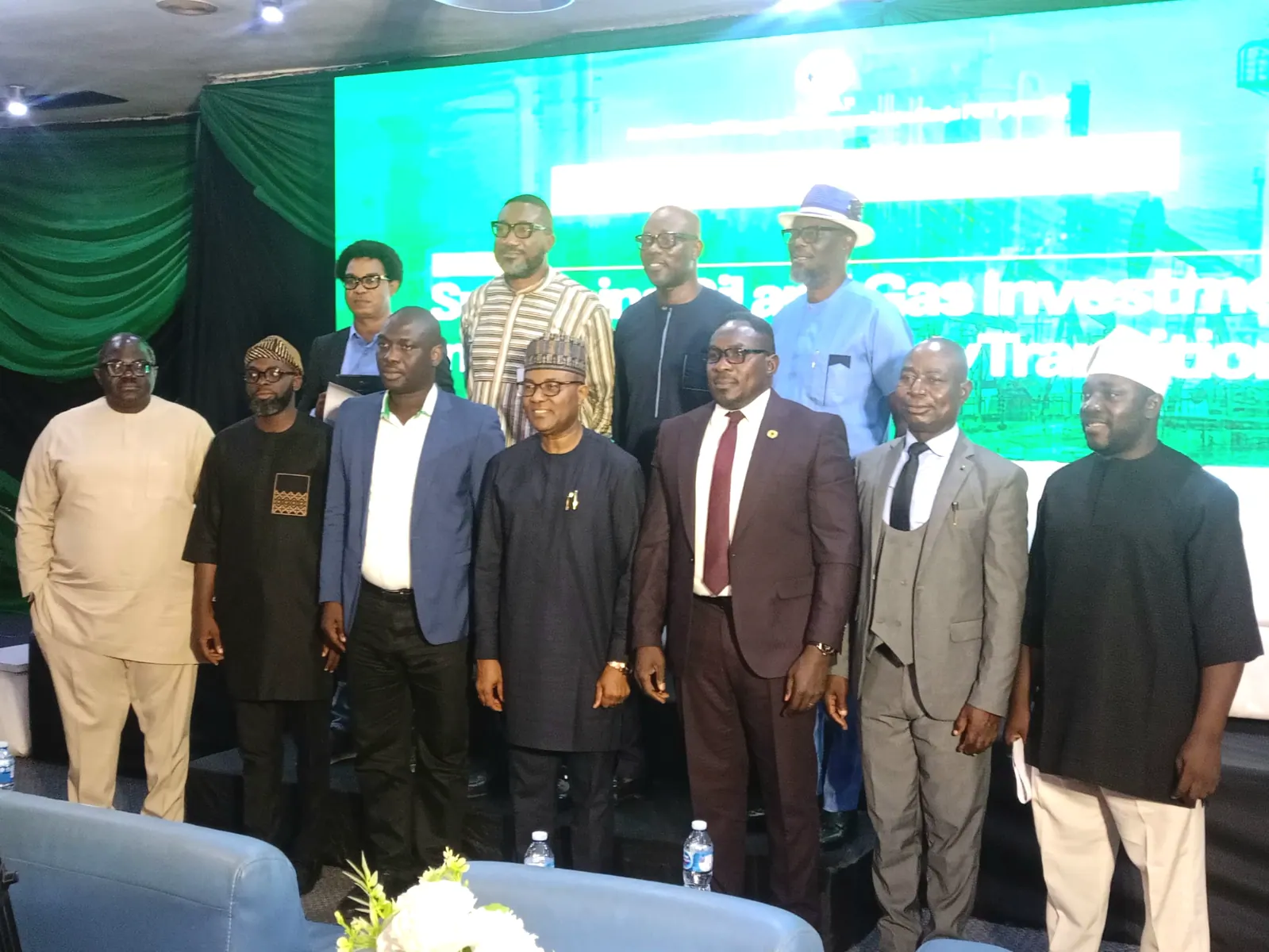
Oluwole Adama, executive director of MDGIF, disclosed this information at the 2026 Energy conference organized by the Association of Energy Correspondents in Abuja. Adama, represented by Elvis Duruji, director of Strategy, Research, and Deal Origination at MDGIF, explained that the investment is part of MDGIF's core mandate to use public funds to reduce investment risks and crowd in private capital.
The MDGIF has used about N671 billion to capitalize and attract N1.6 trillion in private investment, achieving a multiplier effect of approximately 2.4X of capital. The fund has partnered with 31 projects and 205 infrastructure assets across every region, with 127 projects already commenced and 10 commissioned.
Adama noted that MDGIF's interventions have mobilized private capital at about 2.4 times its own contribution, demonstrating the impact of its derisking model. The fund's projects, if fully executed, could raise domestic gas supply by about 25 percent, based on current domestic production of about 1.9 billion scf daily.
The MDGIF has also partnered with four flare-out awardees whose projects, when operational, will monetize 444 million scf of gas daily that would otherwise have been flared, while eliminating about 2,845 metric tonnes of emissions per day. The fund has partnered with 30 unincorporated joint ventures and one incorporated equipment leasing company, covering 20 CNG mother stations and over 80 CNG daughter stations.
Oritsemeyiwa Eyesan, commission chief executive of the Nigerian Upstream Petroleum Regulatory Commission (NUPRC), emphasized that sustaining investment in Nigeria's petroleum industry requires economic value. She noted that resources in the ground do not automatically translate into prosperity and that the Commission's responsibility goes beyond regulating activity to creating conditions that allow good projects to progress without incumbrance.
Eyesan disclosed that since 2024, the Commission has approved Field Development Plans representing over $57 billion in investment, while 22 major offshore projects expected between 2026 and 2030 carry estimated investment potential of $30 billion to $50 billion. The priority now is execution, with the regulator focused on staying closer to projects, identifying bottlenecks, and resolving them early enough to keep investment decisions moving.
Key points
- The MDGIF has secured N1.6 trillion in private investment to support 31 projects and 205 infrastructure assets across Nigeria.
- The projects have the capacity to deliver 475 million scf of gas daily to the domestic market when fully operational.
- The MDGIF's interventions have mobilized private capital at about 2.4 times its own contribution, demonstrating the impact of its derisking model.