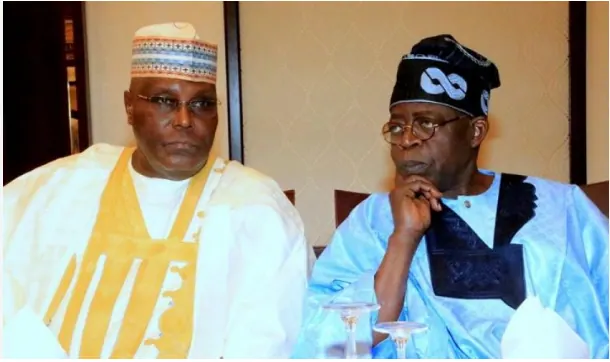
The fuel subsidy debate in Nigeria has resurfaced, with various politicians proposing different solutions. Atiku Abubakar, a leading candidate in the last election, has vowed to resurrect the fuel subsidy in a different way. Meanwhile, President Bola Tinubu has proposed an elaborate subsidy plan, promising 500 additional Compressed Natural Gas (CNG) refuelling stations across Nigeria to alleviate transportation costs resulting from the removal of the petrol subsidy.
The leadership inconsistency on this matter has raised concerns, with many questioning the effectiveness of the proposed solutions. Tinubu had previously stated that the subsidy was a fraud when he masterminded the #OccupyNigeria protest in 2012. However, his current proposal for CNG stations has been met with skepticism, with many wondering which budget captured this plan and whether it is another spur-of-the-moment decision.
The general public has expressed apathy towards the subsidy revival, with many questioning the ability of the proposed solutions to address the underlying burden on the average person. The initial cause of the subsidy removal was not thought through, and the second proposal is seen as an unplanned reaction. The populace knew Atiku's rash policy initiative could not restore the fuel price to the initial 150 naira per litre, and Tinubu's additional CNG stations could hardly meet the needs of millions of vehicles across the country.
The debate has also raised concerns over the economic impact of the subsidy removal. The government has claimed that 15.8 trillion naira has been saved from the subsidy removal in the last 30 months. However, there is barely any visible infrastructural improvement across the states, except in a few places. The Emir of Kano, Sanusi Lamido Sanusi, has posed a critical question: why has the national debt almost doubled since the government declared a righteous war on the subsidy?
The government's explanation for the increased national debt is that the devaluation of the naira multiplied the local value of existing foreign loans. However, there are concerns over reported foreign loans acquired without due process. The apologists of the Tinubu reforms argue that the quality of living must be tough before it gets better, with many Nigerians defending and justifying their own suffering.
The subsidy debate has also highlighted the need for a more ideological approach to economic policy. The writer notes that Nigeria's economic growth has not directly translated to improvement for the poor. From the Structural Adjustment Programme of the military governments to the privatisation and liberalisation policies of the Olusegun Obasanjo regime, the investors and business class have always been the major beneficiaries.
The writer concludes that no window dressing from the current players will resolve the subsidy problem. Any form of subsidy that does not provide an alternative to fuel or reduce its price to the barest minimum will fail to address the underlying burden on the average person. The masses' cross to carry remains the high cost of living, with no clear solution in sight.
Key points
- Leadership inconsistency on the fuel subsidy matter has raised concerns over the effectiveness of proposed solutions.
- The economic impact of the subsidy removal has been significant, with concerns over the use of saved funds and increased national debt.
- The need for a more ideological approach to economic policy has been highlighted, with a focus on addressing the underlying burden on the average person.