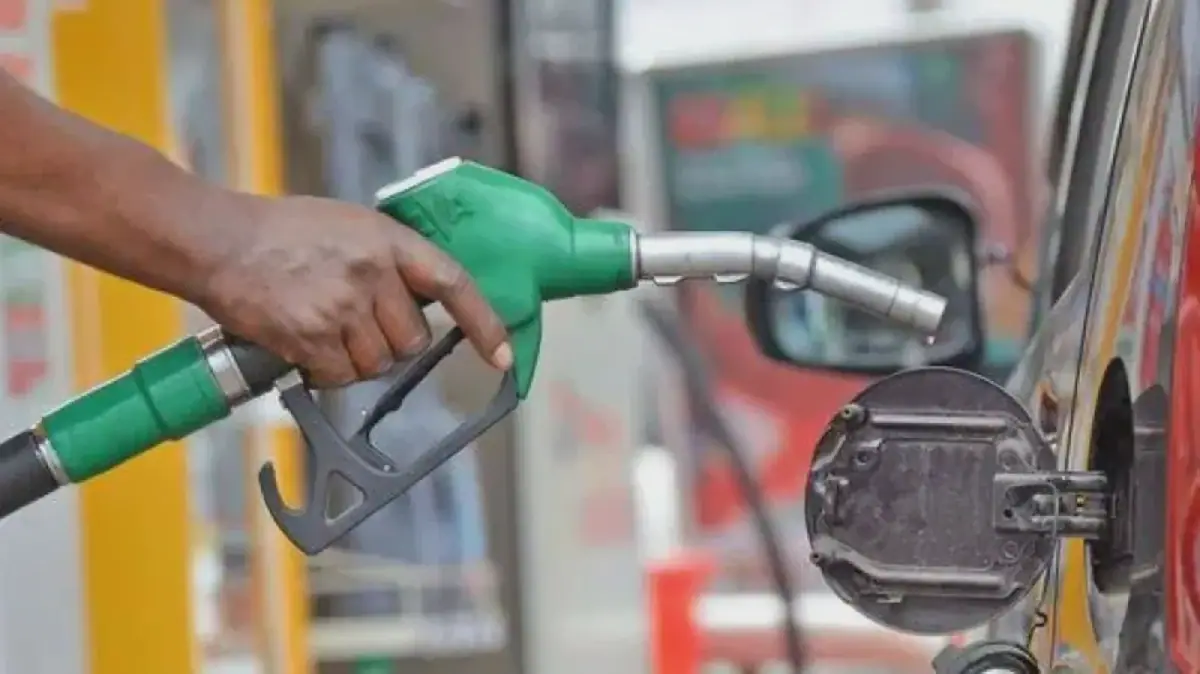
The Nigerian government's fuel discount initiative, aimed at easing the economic pain of its citizens, has been met with scepticism by labour unions and the general public. The initiative, which provides a N66 per-litre reduction in the pump price of premium motor spirit, has raised more questions than answers. With the average pump price of fuel standing at N1,370 per litre, the discount appears insufficient to provide much-needed relief to Nigerians struggling to cope with the high cost of living.
The removal of fuel subsidy in May 2023 has had a devastating impact on the Nigerian economy, with the working class and informal sector being the worst hit. The subsequent increase in fuel prices, triggered by the war in Iran, has further exacerbated the economic hardship faced by citizens. In response, the Tinubu administration has introduced the fuel discount initiative, which will run for 30 days. However, labour unions have expressed concerns over the scheme's limited duration and the adequacy of the discount.
One of the major concerns is that the discount may not reach the nooks and crannies of the country, and may be prone to corruption. The provision of 70 million litres of fuel supply per month by the Nigerian National Petroleum Company Limited (NNPCL) has raised questions about the potential for siphoning of funds. Moreover, the discount initiative has been criticised for being a short-term measure that may not address the underlying issues affecting the economy.
The government has pointed to the necessity of the Tinubu reforms, aimed at addressing the huge sleaze associated with fuel subsidy, but many Nigerians are yet to see the benefits of these reforms. While macroeconomic indicators have shown growth, there is little to suggest that prosperity will necessarily follow if adequate steps are not taken subsequently. Nigerians need to see concrete steps being taken by the government to strengthen the engines of economic growth.
The pump price of premium motor spirit can still go down, lower than the current N1,370, due to various factors. As an oil-exporting country, Nigeria is expected to earn extra income from the crisis at the Strait of Hormuz in Iran. Some oil-exporting countries have been able to absorb price shocks and transfer some of the benefits to their citizens. The government needs to take steps to address the income structure of the country, which has become increasingly skewed in favour of the rich.
The national minimum wage, currently standing at N70,000 per month, has not kept pace with the rising cost of living. Some states still pay less, exacerbating the economic hardship faced by citizens. The government needs to address these issues and take concrete steps to reduce the cost of governance and plug leakages in the system. This will help to strengthen the engines of economic growth and ensure that the benefits of reforms are felt at the grassroots level.
The 30-day petrol discount initiative has been deemed inadequate to address the economic hardship afflicting Nigerians. The government needs to take a more comprehensive approach to addressing the issues affecting the economy, including reducing the cost of governance, plugging leakages, and addressing the income structure of the country. Only then can Nigerians begin to feel the benefits of the reforms and enjoy a reasonable quality of life.
Key points
- The Nigerian government's fuel discount initiative has been criticised for being inadequate and short-term.
- The initiative has raised concerns over its potential to reach the nooks and crannies of the country and provide much-needed relief to Nigerians.
- The government needs to take concrete steps to address the income structure of the country and reduce the cost of governance to strengthen the engines of economic growth.