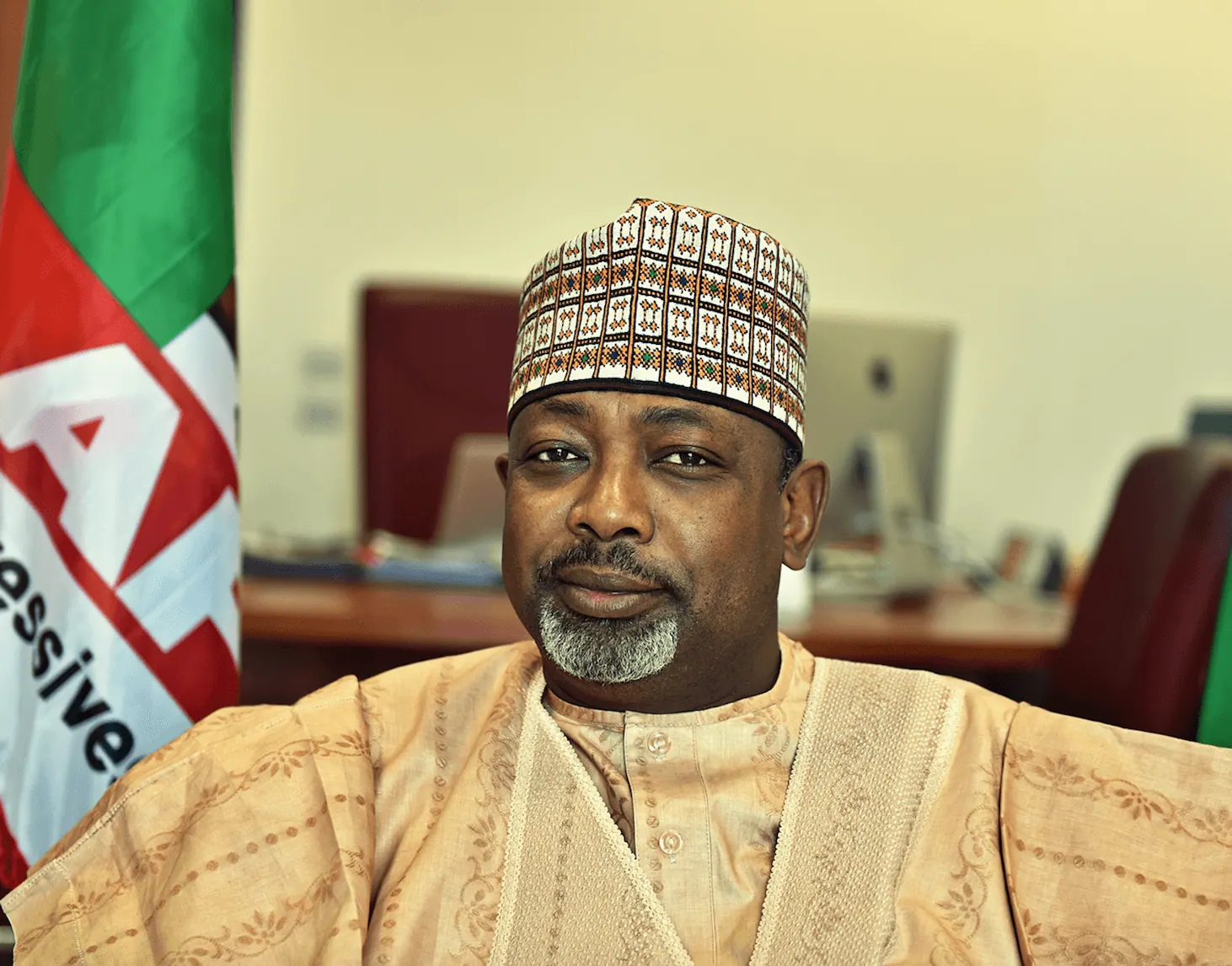
Minister of Agriculture and Food Security, Senator Abubakar Kyari, has emphasized that Nigeria cannot achieve food security solely by expanding the amount of land under cultivation. With the country's population projected to approach 400 million by 2050, Kyari stressed that productivity gains must increasingly come from knowledge, technology, and stronger agricultural extension systems. He made these remarks at the opening of the Africa Agribusiness Extension Summit (AAES) 2026 in Abuja.
Kyari highlighted that Nigeria's rapidly growing population makes it imperative to move beyond fragmented agricultural interventions and build an extension system that can continuously deliver the right information to farmers. He noted that most of the food required by Africans must be produced from existing farms, and that expanding farmland alone is not a viable solution. The minister cited evidence showing that access to extension services is associated with lower food insecurity and significantly higher household assets.
The minister emphasized that agricultural extension should be treated as critical infrastructure capable of delivering productivity improvements across millions of farms. He compared agricultural advisory systems with roads and power infrastructure, stating that extension services must remain functional and deliver economic value over the long term. According to Kyari, relatively small improvements in farm-level knowledge can translate into significant productivity gains when deployed across millions of farmers.
Kyari disclosed that the federal government is shifting extension services from conventional face-to-face services towards digital platforms capable of reaching farmers more quickly and in forms they can use. He stated that over 100,000 farmers across six states have received weekly text messages on rainfall expectations and crop protection. A digital agricultural extension platform is being rolled out to provide advisory services through text and voice in Hausa, Igbo, Yoruba, and Pidgin.
The government has deployed over 1,000 digital extension agents equipped with tablets through the National Agricultural Development Fund, while 774 agricultural desk officers are being positioned across local government areas. Kyari also approved a steering committee to harmonize the ministry's various digital extension initiatives involving its departments and agencies. This move aims to ensure a coordinated approach to extension services and maximize their impact.
With agriculture accounting for about 34 percent of total employment in Nigeria, Kyari noted that the effectiveness of extension services will have implications not only for food production but also for household incomes, resilience, and livelihoods. The minister's emphasis on agricultural productivity and extension services underscores the government's commitment to addressing the country's food security challenges and ensuring a sustainable agricultural sector.
Key points
- Nigeria's population is projected to approach 400 million by 2050, making food security a pressing concern.
- The government is shifting extension services towards digital platforms to reach farmers more effectively.
- Agricultural extension services are critical infrastructure for delivering productivity improvements across millions of farms.