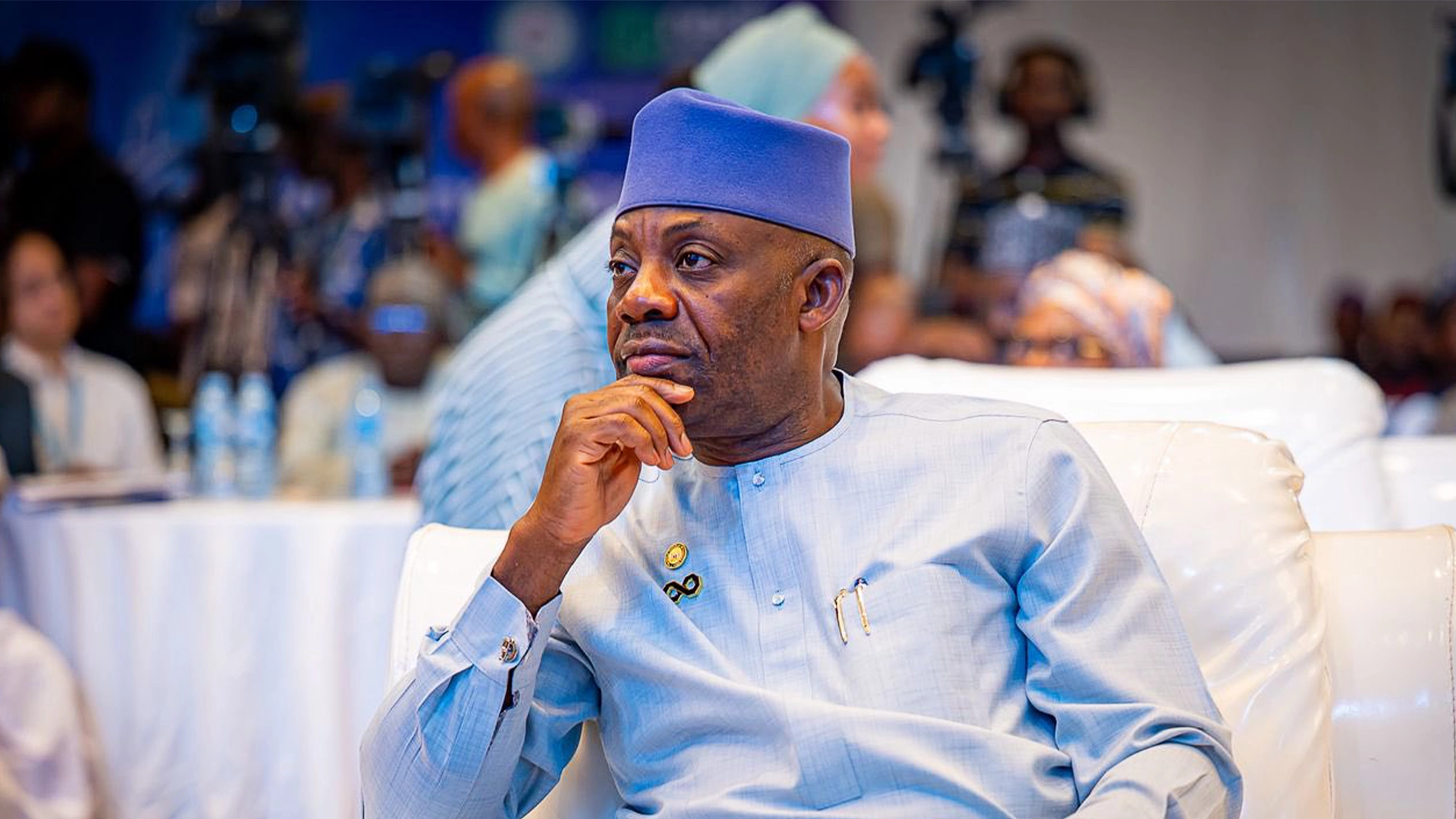
Nigeria's education sector, burdened by rising costs, over 10 million out-of-school children, poor learning outcomes, and a persistent skills gap, is undergoing a broad reform under Education Minister, Dr. Tunji Alausa. The reforms aim to redefine government intervention in education, moving beyond physical infrastructure to the circumstances that determine whether a student can access education, stay in school, complete a programme, and acquire skills that can translate into employment or entrepreneurship. This approach addresses the country's education crisis, which goes beyond inadequate classrooms and dilapidated school buildings.
When President Bola Ahmed Tinubu assumed office in May 2023, Nigeria's education crisis was characterized by millions of out-of-school children, increasingly expensive tertiary education, recurring university disruptions, and a mismatch between academic qualifications and practical skills. The Nigerian Education Loan Fund (NELFUND) has become a key expression of this approach, processing over 1.65 million applications, with over N190 billion paid to beneficiary institutions for institutional charges and over N160 billion provided to students as upkeep support. This scheme addresses the cost of tertiary education, which extends beyond school charges to accommodation, feeding, transportation, textbooks, and internet access.
The NELFUND scheme has been instrumental in helping students, with 300-level Theatre Arts and Film Studies student Migwe Obinna Nicholas at the University of Lagos saying the loan saved him from dropping out. The first university student in his family, Nicholas stated that financial difficulties had forced him to consider abandoning his education, but the loan enabled him to continue. However, he complained about delays in receiving the N20,000 monthly upkeep allowance. Similarly, University of Ibadan final-year Veterinary Medicine student Olaiya Adewumi described the allowance as useful but called for an increase to between N30,000 and N40,000 and prompt payments.
The education reset extends beyond student loans, with over N200 billion committed to student accommodation, campus transportation interventions, and renewable energy projects being expanded across federal tertiary institutions. These interventions address practical barriers that can affect students' ability to learn, such as reliable power, which is essential for hostels, libraries, laboratories, and workshops. In technical institutions, electricity is directly linked to whether students can acquire practical competencies. The focus on technical and vocational education and training (TVET) represents an attempt to broaden the definition of educational success by giving technical and practical skills a more central role in national development.
The Federal Government has committed over N150 billion to TVET infrastructure in response to youth unemployment and the persistent mismatch between graduates' qualifications and labour market requirements. For decades, Nigeria's education system has placed disproportionate emphasis on university degrees. The renewed attention to TVET aims to support students with viable business ideas and innovative projects through the Student Venture Capital Grant. If properly funded, transparently administered, and supported with mentoring and market access, the initiative could help shift some students from future job seekers to potential job creators.
Academic stability is another important dimension of the reforms, with the administration continuing engagement with the Academic Staff Union of Universities (ASUU) and implementing a revised agreement covering university workers. The government has also released eight months of the Consolidated Non-Academic Staff Tertiary Institutions Allowance (CONTA) for non-academic staff of federal tertiary institutions, as part of efforts to address outstanding welfare obligations and strengthen industrial harmony. These measures align with President Tinubu's objective that a four-year programme should take four years, reducing the costs of prolonged academic disruptions.
Teacher quality presents an equally important test, with the Federal Government beginning preparations for an accelerated professionalisation programme targeting 250,000 serving teachers without recognised teaching qualifications. The objective is to strengthen classroom capacity through training and professional development. This is critical because Nigeria's education challenge is not simply about getting children into classrooms but also about what they learn once they get there. The programme aims to improve teacher quality and address the country's education challenges.
Key points
- The Nigerian government has committed over N200 billion to student accommodation and campus transportation interventions.
- The NELFUND scheme has processed over 1.65 million applications, providing over N190 billion for institutional charges and over N160 billion for student upkeep support.
- The education sector reforms aim to address the country's education crisis, including over 10 million out-of-school children, poor learning outcomes, and a persistent skills gap.