President Bola Ahmed Tinubu recently declared that Nigeria has transitioned from an economic reform era to an era of prosperity. This statement has sparked a crucial question: what tangible changes have occurred since 2023? To answer this, it's essential to examine key economic and household indicators. Nigeria's economic reform journey began in 2023, and three years in, the results are mixed. While some indicators show improvement, others reveal persistent challenges.
Nigeria's real GDP growth has steadily increased, rising from 2.74 percent in 2023 to 3.40 percent in 2024, 3.87 percent in 2025, and 4.43 percent in Q2 2026. This growth trajectory indicates a gradual strengthening of economic activity. However, growth remains below the pace required to significantly improve per-capita income. The World Bank notes that macroeconomic stability has improved, but this has not yet translated into substantial gains for households.
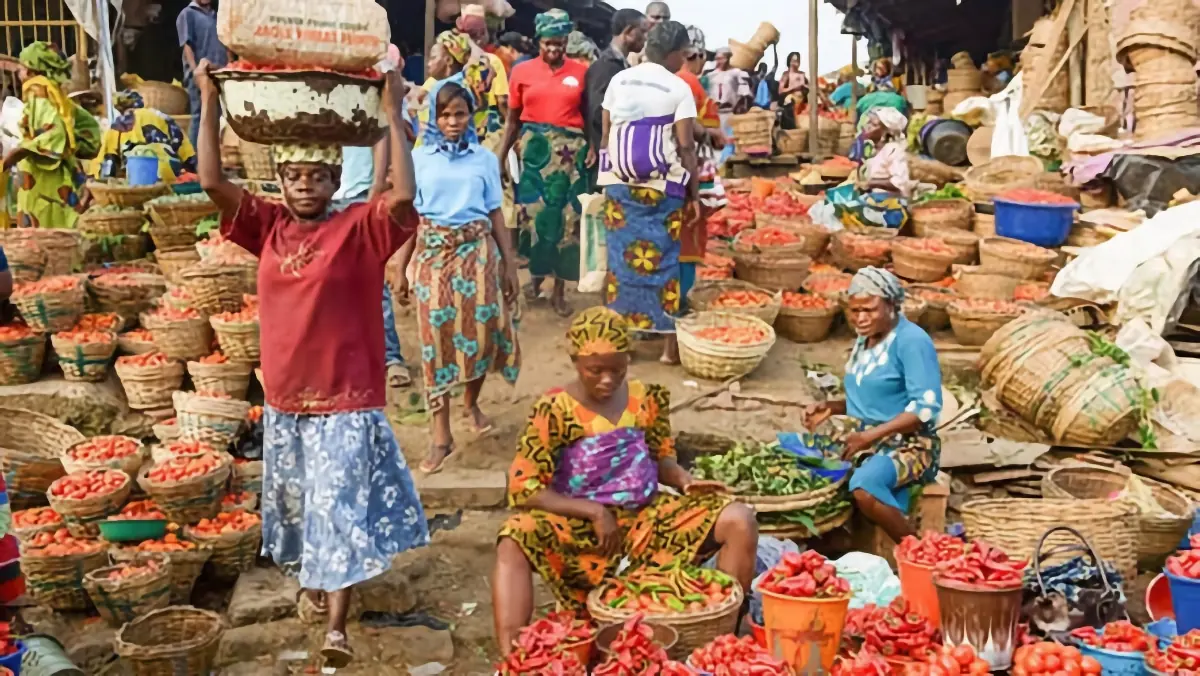
Inflation has been a significant challenge, peaking at 34.80 percent in December 2024 before easing to 15.39 percent in August 2026. Food inflation, which stood at 24.82 percent in May 2023, moderated to 19.57 percent by August 2026. Despite this decline, food prices remain substantially higher than pre-reform levels. For instance, the average price of 1kg of local rice rose from ₦737.11 in August 2023 to ₦1,831.05 in August 2024.
External reserves and government revenue have strengthened significantly. Nigeria's external reserves rose from $32.9 billion in 2023 to $40.2 billion in 2024 and $45 billion in 2025. By September 18, 2026, reserves had reached $55.25 billion. Federation revenue also increased from ₦16.8 trillion in 2023 to ₦31.9 trillion in 2024. This improvement in reserves and public revenue provides greater fiscal and external buffers.
Foreign investment has also increased, with capital importation rising from $1.13 billion in Q1 2023 to $10.37 billion in Q1 2026. However, portfolio investment accounts for a substantial share of these inflows, which may not necessarily translate into long-term employment or productive capacity. The national minimum wage increased from ₦30,000 in 2023 to ₦70,000 in 2024, representing a nominal increase of 133 percent.
Despite these improvements, household purchasing power and poverty remain under pressure. The World Bank estimates that more than 60 percent of Nigerians lived below the national poverty line in 2025, while 69.6 percent were below the $4.20-a-day lower-middle-income poverty line. Unemployment stood at 4.2 percent in Q2 2023 and 4.3 percent in Q2 2024, with about 93 percent of employment being informal.
The three-year record of Nigeria's economic reforms presents two distinct realities. At the macroeconomic level, the country has achieved stronger growth, slower inflation, higher reserves, increased government revenue, and larger capital inflows. However, at the household level, food remains expensive, purchasing power is under pressure, informal employment dominates, and poverty persists. The next test is whether these macroeconomic improvements can translate into tangible benefits for households.
Key points
- Nigeria's GDP growth has steadily increased, but challenges persist at the household level.
- Inflation has eased, but food prices remain substantially higher than pre-reform levels.
- External reserves and government revenue have strengthened, but poverty and informal employment remain widespread.