Nigeria's economy is on a path to recovery, with growth, improving foreign reserves, and gradually recovering investor confidence. However, this progress masks a harsh reality: millions of Nigerians struggle to afford basic necessities like food and transport. As the 2027 general elections approach, economists are examining whether the country's reforms can withstand political change without delivering meaningful relief to citizens. The current administration's policies have improved economic stability but deepened financial pressures on households.
The sixth DataPro International Credit Rating Webinar, held on October 8, 2026, highlighted the challenges facing Nigeria's economic reforms. Professor Kai Gehring of the University of Bern, Switzerland, argued that Nigeria's greatest challenge was no longer introducing reforms but ensuring their survival beyond electoral cycles. He noted that countries achieving investment-grade sovereign ratings typically maintained economic reforms over long periods, while unsuccessful countries often reversed policies after political transitions.
Nigeria's reform programme gained momentum in May 2023 with the removal of petrol subsidies, followed by foreign exchange liberalisation and monetary and fiscal adjustments. The International Monetary Fund (IMF) acknowledged improvements in macroeconomic stability, external reserves, and foreign exchange operations in its June 2026 assessment. The Fund estimated economic growth at 4 per cent in 2025 and projected 4.1 per cent for 2026. Despite this, 63 per cent of Nigerians lived below the national poverty line, and approximately 27 million experienced food insecurity towards the end of 2025.
The World Bank's April 2026 Nigeria Development Update reported improving economic conditions but warned that household incomes had not fully recovered. This highlights the challenge policymakers face: economic recovery means little to struggling households unless it improves purchasing power. The IMF and World Bank findings underscore the need for policies that address the root causes of poverty and inequality, rather than just macroeconomic stability.
Gehring warned that reforms lacking public acceptance could become casualties of electoral politics. A new administration might face pressure to restore petrol subsidies if voters continued associating their removal with hardship. This could undermine the progress made so far and create uncertainty for investors. The concern for investors extends beyond the present administration, as they seek assurances that policies supporting debt repayment, revenue mobilisation, and economic stability will survive future elections.
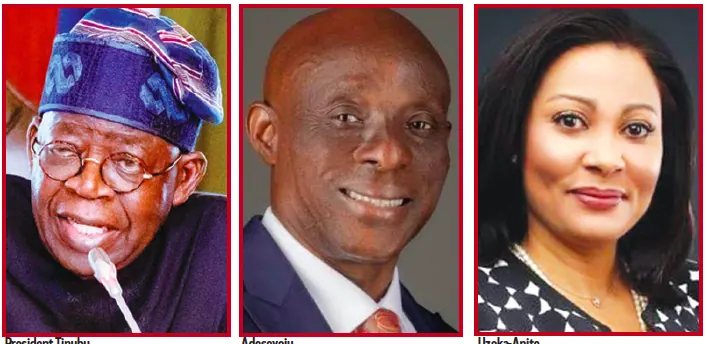
The Nigerian government faces a formidable political challenge ahead of the 2027 general elections. Can President Bola Tinubu's administration sustain policies that have improved economic stability but deepened financial pressures on households? Would those policies survive a change in government? The answers to these questions will have significant implications for the country's economic future and its ability to attract investment.
Ultimately, Nigeria's economic reforms need persistence, not repeated policy changes. The country's experience with economic reforms has shown that consistency and continuity are crucial for achieving long-term stability and growth. As the 2027 elections approach, stakeholders will be watching closely to see if Nigeria's economic reforms can survive the ballot and provide a foundation for sustainable economic growth.
Key points
- Nigeria's economic reforms face uncertainty ahead of the 2027 elections due to the persistence of household hardship despite macroeconomic stability.
- The country's experience with economic reforms highlights the need for consistency and continuity to achieve long-term stability and growth.
- Investors seek assurances that policies supporting debt repayment, revenue mobilisation, and economic stability will survive future elections.