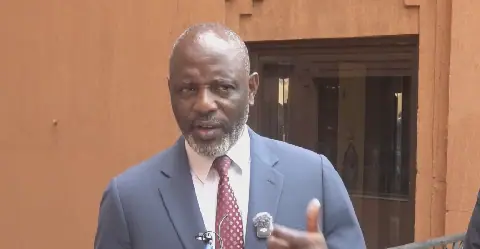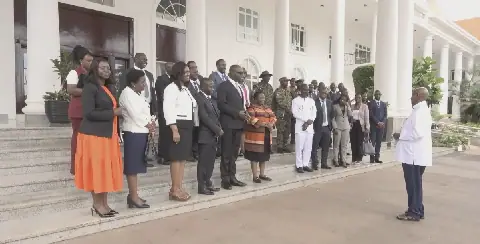
The Code of Conduct Bureau (CCB) in Nigeria has investigated and verified the assets declared by more than 20 ministers and 30 permanent secretaries. This disclosure was made by the CCB's Chairman, Abdullahi Usman Bello, on Wednesday, 23 September 2026. The verification exercise is part of the CCB's mandate to examine asset declarations and investigate possible discrepancies or unexplained wealth among public officials.
The CCB is constitutionally responsible for receiving, processing, and verifying asset declarations by public officers. Its asset and liabilities department conducts verification using random and risk-based sampling methods. This approach allows investigators to prioritize declarations and cases requiring closer examination, especially given the large number of public officers under its jurisdiction.
According to Abdullahi Usman Bello, the CCB has intensified its investigations as part of broader reforms aimed at improving transparency and accountability in public service. The chairman has previously stated that the bureau would investigate the sources of income used to acquire declared assets and take appropriate action where public officers are unable to satisfactorily explain their assets.
The CCB has also been modernizing its asset declaration system through the Online Assets Declaration System. This system is designed to improve compliance and facilitate verification using information from government databases, including the Bank Verification Number (BVN), Corporate Affairs Commission (CAC), National Identity Management Commission (NIMC), and land registries.
The verification exercise and modernization of the asset declaration system are part of renewed efforts by government institutions to strengthen public-sector accountability and ensure compliance with Nigeria's code of conduct for public officers. The CCB's risk-based approach enables the bureau to focus on high-risk cases and prioritize investigations.
The latest disclosure by the CCB comes as the Nigerian government continues to implement reforms aimed at promoting transparency and accountability in the public sector. The government's efforts include strengthening institutions and enforcing existing laws and regulations to prevent corruption and ensure that public officers are accountable for their actions.
The CCB's efforts to verify assets and investigate discrepancies are expected to contribute to improved governance and accountability in Nigeria. The bureau's work will help to identify and address potential cases of corruption and ensure that public officers are transparent about their assets and sources of income.
Key points
- The CCB verified assets of over 20 ministers and 30 permanent secretaries.
- The bureau uses a risk-based approach to prioritize investigations.
- The CCB is modernizing its asset declaration system through the Online Assets Declaration System.