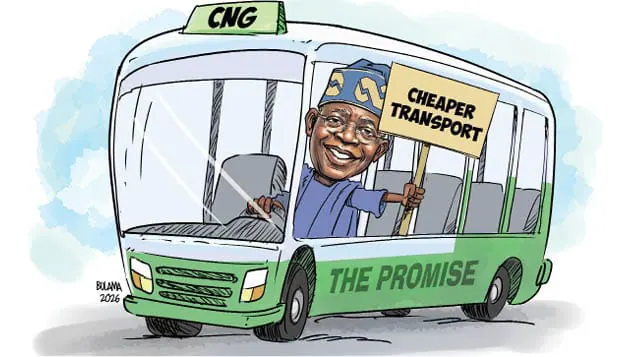
The Federal Government of Nigeria has announced that citizens can expect cheaper transportation options starting October 1, thanks to the introduction of Compressed Natural Gas (CNG) and electric-powered vehicles. This move aims to alleviate the high cost of living in the country. With just days to go before the deadline, many are left wondering if states are truly prepared to implement this plan and if it will translate into lower fares for commuters.
The promise of cheaper transportation comes as a relief to many Nigerians who have been struggling with the high cost of living. The current cost of transportation in Nigeria is a significant burden for many, and any reduction would greatly impact their daily lives. The government's plan is to provide alternative, more affordable transportation options, which could potentially reduce the financial strain on citizens.
The introduction of CNG and electric-powered vehicles is part of the government's efforts to reduce the country's dependence on fossil fuels and promote a cleaner environment. CNG is seen as a more environmentally friendly alternative to traditional gasoline, while electric vehicles offer a sustainable option for transportation. However, the success of this plan hinges on the readiness of states to adopt and implement these new technologies.
Despite the government's optimism, concerns have been raised about the preparedness of states to implement this plan. The infrastructure required to support CNG and electric-powered vehicles, such as fueling stations and charging points, is still in short supply in many parts of the country. It remains to be seen whether states will be able to overcome these challenges and provide the necessary infrastructure to support the new transportation options.
The impact of cheaper transportation on the economy and citizens' livelihoods cannot be overstated. A reduction in transportation costs would lead to increased disposable income for citizens, which could boost economic activity and improve overall well-being. Furthermore, cheaper transportation would also make it easier for people to access essential services, such as healthcare and education.
As the October 1 deadline approaches, Nigerians are eagerly awaiting the implementation of the government's promise. While there are concerns about the preparedness of states, the potential benefits of cheaper transportation make it a development worth watching. The government will need to work closely with state authorities and private sector stakeholders to ensure a smooth rollout of the new transportation options.
The success of this initiative will depend on various factors, including the level of investment in infrastructure, the adoption rate of CNG and electric-powered vehicles, and the government's ability to regulate and monitor the transportation sector. If successful, this plan could have a significant impact on the lives of Nigerians and contribute to the country's economic growth and development.
Key points
- The Nigerian government has promised cheaper transportation options from October 1 through CNG and electric-powered vehicles.
- The plan's success depends on states' preparedness and investment in infrastructure.
- Cheaper transportation could boost economic activity and improve citizens' well-being.