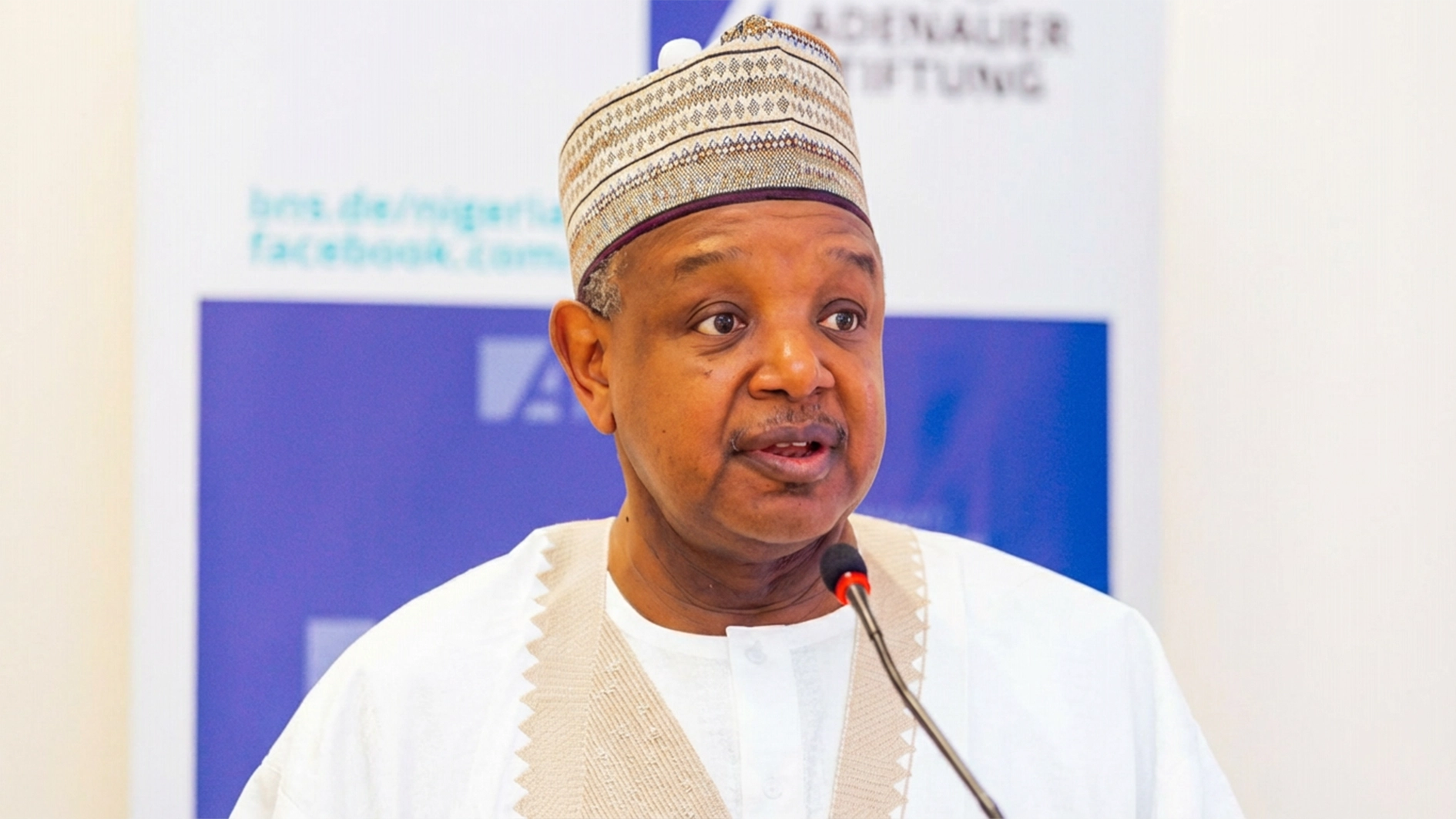
Nigeria's Minister of Budget and Economic Planning, Senator Abubakar Bagudu, has called for a rethink of the country's approach to budgeting, stating that the national budget is too small to achieve the desired level of development. He made this statement at the 2026 Senate Press Corps Workshop in Abuja, where he emphasized that Nigeria has the smallest national budget among the world's 10 most populous countries. Bagudu warned that the country should not expect to achieve the same development outcomes as nations with significantly larger fiscal capacity.
The Civil Society Legislative Advocacy Centre (CISLAC) has raised concerns over Nigeria's budget process, citing an Independent Corrupt Practices and other related offences Commission (ICPC) analysis that flagged 4,508 projects worth about N434.5 billion as inserted or padded in the 2022 budget. CISLAC's Executive Director, Auwal Rafsanjani, presented a paper at the workshop, calling for tighter checks on budget proposals and legislative amendments before they become part of the Appropriation Act. The organization emphasized the need for stronger checks to prevent questionable projects and spending from entering the national budget.
The BudgIT Foundation has also urged the National Assembly to move away from budget insertion and adopt evidence-based scrutiny that links public spending to development plans, previous performance, and citizens' needs. The Country Director of BudgIT, Vahyala Kwaga, represented the organization's Director, Olusegun Onigbinde, at the workshop. Kwaga emphasized that lawmakers should test whether proposed spending is backed by credible plans and evidence of what the government achieved with previous allocations.
Bagudu argued that countries that successfully transformed their economies had made deliberate choices to move beyond their existing limitations. He stated that Nigeria faces a choice between simply budgeting according to what it can afford and developing the confidence, policies, and public support required to mobilize more resources for economic transformation. The minister emphasized that the Federal Government's ambition of building a $1 trillion economy could not be separated from the size and structure of the national budget.
CISLAC cautioned that the ICPC classifications should not be taken as proof of criminal conduct by individuals. Instead, the findings showed the need for stronger checks to prevent questionable projects and spending from entering the national budget. The organization called for every major budget item to have a clear public purpose, credible costing, project location, identified beneficiaries, a responsible ministry or agency, and measurable expected results.
BudgIT proposed six tests for every budget item: its alignment with national and sector plans, previous performance, potential duplication, costing, audit findings, and evidence of citizens' needs. The organization also called for stronger year-round legislative oversight, with committees tracking project implementation, reviewing quarterly reports, and using findings from audits and site visits to inform subsequent budget cycles.
The workshop focused on strengthening legislative oversight and media collaboration to protect the national budget from unlawful insertions. Bagudu urged the media to take a more active role in explaining Nigeria's fiscal position to citizens and interrogating how other countries had expanded their economies. The minister emphasized that if people do not support borrowing, the National Assembly will not allow borrowing.
Key points
- Nigeria's national budget is too small to deliver desired development.
- CISLAC and BudgIT have raised concerns over Nigeria's budget process, citing insertions and padding of projects.
- The government has been urged to adopt evidence-based scrutiny and stronger legislative oversight to safeguard the national budget.