Lawyers representing Peter Bon Jallah have filed a motion for acquittal, arguing that inconsistencies in the alleged crime scenes and DNA evidence raise reasonable doubt. The motion was filed on September 28, during the 42nd day of jury sitting at the Temple of Justice. Judge Wesseh Alphonsus Wesseh, Sr. gave the prosecution until noon on September 29 to file a written resistance, and suspended the trial pending a ruling on the motion.
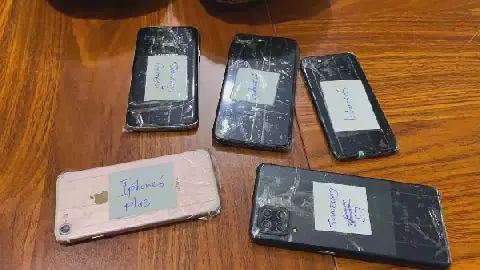
The defense does not dispute the DNA match, but challenges what the scientific evidence establishes about the alleged offenses. Rwandan forensic expert Pascal Bavugirije testified that Bon Jallah's DNA profile matched biological material found on four exhibits: a white T-shirt, black T-shirt, shorts, and boxer. However, Bavugirije stated that the laboratory could not determine when the biological material was deposited, how it was deposited, or the circumstances under which it came to be present on the clothing.
The forensic report, dated January 22, concluded that Bon Jallah could not be excluded as a contributor to the DNA profiles obtained from the four exhibits. Additionally, a mixed DNA profile obtained from tissue or toilet paper reportedly collected from a crime scene did not match the reference samples of either Bon Jallah or the alleged victim. Bavugirije said the unidentified profile could potentially be compared with samples from other individuals if such persons were identified and reference samples obtained.
The defense has challenged the prosecution's evidence concerning the alleged Camp Johnson Road location. Two locations had been scheduled for a judicial inspection on September 24: a residence associated with Bon Jallah and the Camp Johnson Road location where the alleged victim testified that one of the incidents occurred. However, the Camp Johnson Road site was not visited. The defense cited testimony from Linsay Gould, chief investigator of the Women and Children Protection Services, that investigators took the alleged victim to Camp Johnson Road on two occasions but that she was unable to identify the precise location.
The inspection of Bon Jallah's residence in the Airfield-Matadi area also became part of the defense's argument. According to the court record, representatives of both sides and their lawyers visited the residence on September 24. One room was opened while another remained closed after the family identified one room as the master bedroom and declined to open the other. Defense counsel Cllr. Wilfred Sayeh argued that testimony before the court had identified the master bedroom as one of the locations where an alleged incident occurred, while the defense maintains that the inspection did not resolve discrepancies concerning the residence.
The defense invoked Liberia's Criminal Procedure Law, specifically Sections 2.1 and 20.10, in seeking an acquittal before Bon Jallah presents a defense. Section 2.1 provides for the presumption of innocence and requires acquittal where reasonable doubt remains as to whether guilt has been established. Section 20.10 provides for judgment of acquittal where the evidence is insufficient to sustain a conviction. The prosecution has requested additional time to respond to the motion.
The court must now determine whether the evidence presented by the prosecution is legally sufficient for the trial to continue. If the motion is denied, Bon Jallah will retain his right to present evidence in his defense. If the motion is granted, he would receive a judgment of acquittal. The prosecution's response to the motion is expected to address the issues raised by the defense, and the court's ruling will determine the next stage of the proceedings.
Key points
- The defense argues that inconsistencies in the alleged crime scenes and DNA evidence raise reasonable doubt.
- The prosecution's evidence includes a DNA match on four exhibits and testimony surrounding the alleged crime scenes.
- The court's ruling on the motion will determine whether the case will continue or if Bon Jallah will receive a judgment of acquittal.