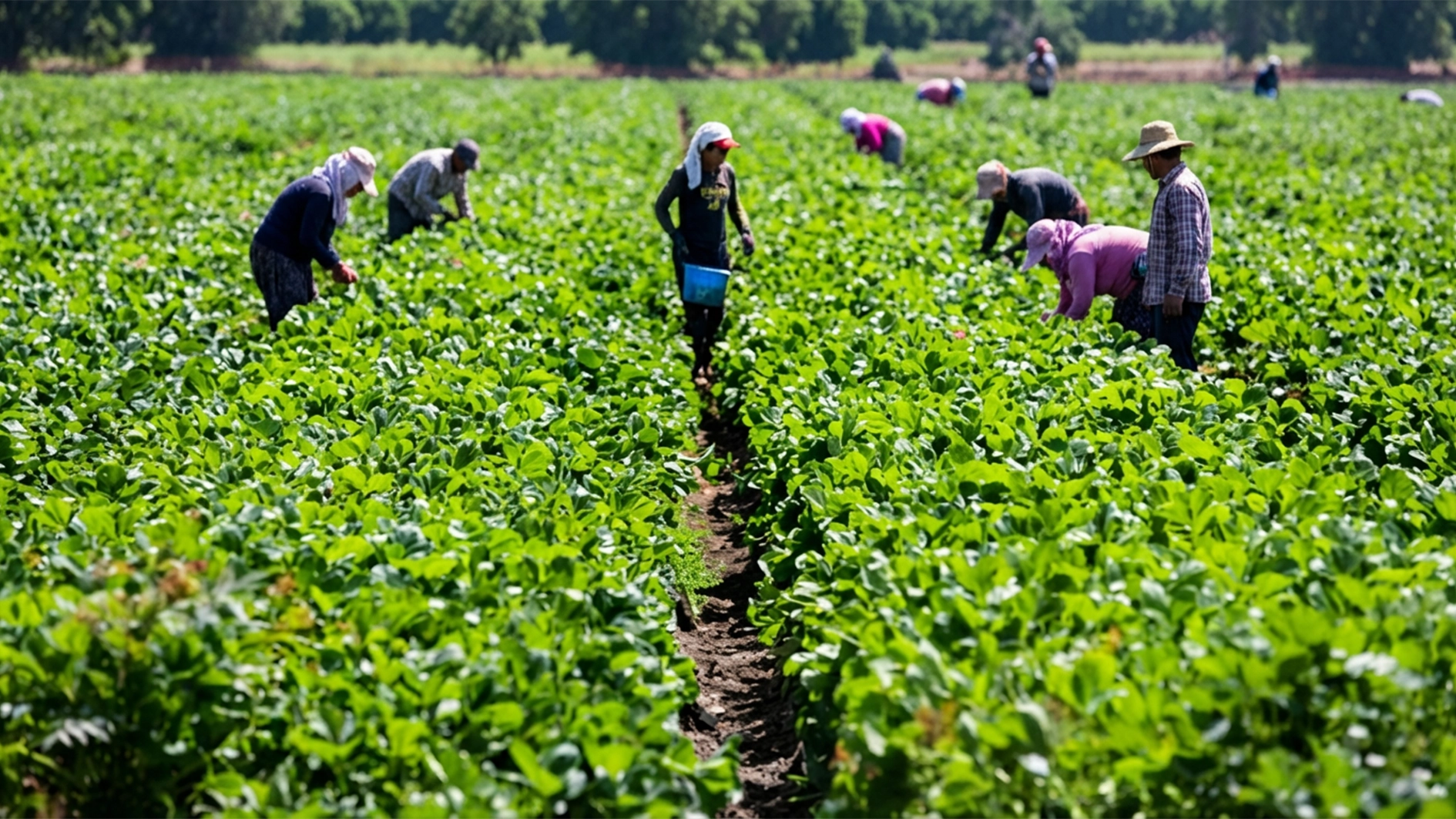
Nigeria, a top agricultural producer in Africa, has failed to translate its enviable position into meaningful results, with the sector remaining in limbo 66 years after independence. Successive administrations have introduced policies to drive the sector, but most have not yielded desired results. The country's food deficit has led to increased reliance on imports, with the import bill rising daily. Nigeria is a major producer of fruits, tubers, and cash crops, but its agricultural strength has not translated into food sufficiency.
The late President Mohammadu Buhari's administration introduced the Anchor Borrowers Programme (ABP) to transform the sector, but the initiative was jeopardized by mismanagement of funds. The current administration, under President Bola Tinubu, declared a state of emergency to tackle rising food prices and shortages. Several policies were introduced, including using funds saved from fuel subsidy removal to provide fertilizer and grain to farmers. However, these policies have had little impact, with food shortages and price increases persisting.
The country's inflation rate has fluctuated, compounding the woes of Nigerians as food prices and basic commodities have risen. Despite efforts by farmers to reduce food prices, low incomes and high unemployment continue to drive hunger. Experts attribute high food prices to structural and economic challenges, such as high production and processing costs, poor logistics, and expensive transportation. These challenges have created a disconnect between increased food imports and access to food.
The Food and Agriculture Organisation (FAO) projects that about 34.7 million Nigerians may face hunger between June and August if timely interventions are not implemented. The organisation's October 2025 Cadre Harmonisé analysis attributed the worsening hunger and food insecurity situation to persistent conflicts, economic shocks, armed violence, and climate-related shocks. The country is currently struggling to address this lingering food insecurity.
Toluwalope Daramola, Founder of Menitos Farm Depot, attributed the challenges to food production and supply. She questioned whether Nigeria is building an agricultural economy owned and driven by Nigerians or surrendering control to those with capital. Daramola emphasized that food security is not only about having food available but also about who produces it, controls the land, and inputs required for production.
Daramola suggested that policies should ensure that investment strengthens local capacity instead of replacing it. She recommended partnerships between large agricultural companies and smallholder farmers, support for local sourcing, and transfer of knowledge and technology. The government needs to make it easier for Nigerians to become producers by improving access to land, affordable credit, and quality seeds.
Experts and stakeholders stress the need for a comprehensive approach to address Nigeria's agricultural challenges. The goal should be an agricultural economy that rewards production, processing, and value addition within Nigeria. This can create jobs, build industries, retain wealth within communities, and strengthen economic independence. The real measure of agricultural independence is not simply how much food Nigeria can import but how much of the food system Nigerians themselves have the capacity and opportunity to own, produce, and control.
Key points
- Nigeria's agricultural sector faces significant challenges despite being a leading producer in Africa.
- Successive administrations have introduced policies to drive the sector, but most have not yielded desired results.
- Experts stress the need for a comprehensive approach to address Nigeria's agricultural challenges and achieve food sufficiency.