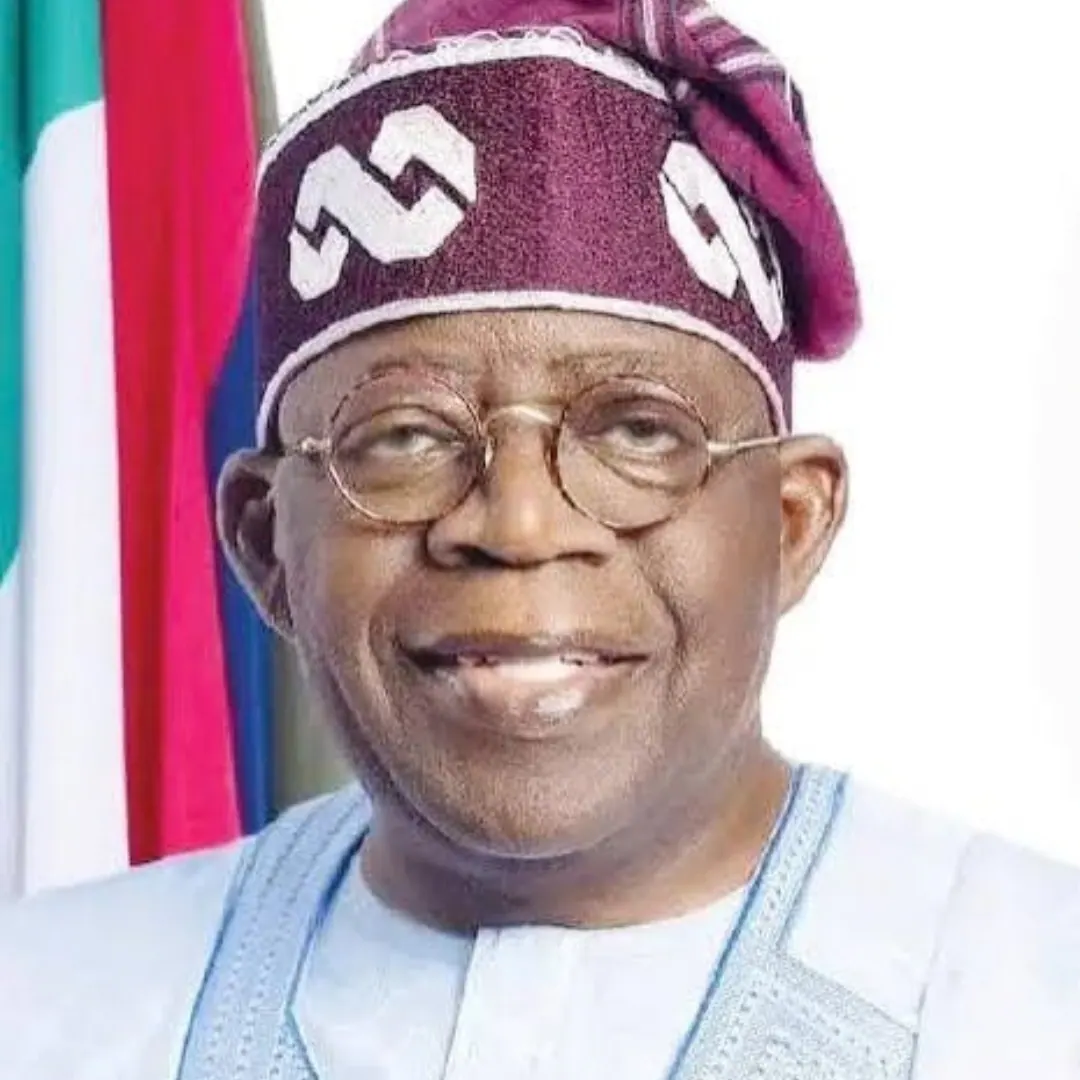
The recent signing of a $7 billion investment package for the Ogun State Blue Marine Special Economic Zone and Gateway Deep Seaport has sparked a national debate on regional equity and infrastructure distribution in Nigeria. The deal, witnessed by President Bola Tinubu in Paris, is a milestone for sub-national industrialisation. However, it has raised concerns about the concentration of maritime infrastructure in the Southwestern region, while other regions, particularly the South-South and South-East, lag behind.
The Southwestern geopolitical corridor is rapidly becoming a heavily fortified maritime monopoly, with the Lagos and Tin Can Island ports handling the lion's share of national cargo. The addition of the Lekki Deep Sea Port and the proposed Ogun Deep Seaport project has created an unprecedented concentration of shipping infrastructure in a tight geographical radius. In contrast, other regions' ports, including the Port Harcourt port, the proposed Ibom Deep Seaport, the Warri port, and the Onitsha inland river port, remain stalled or underfunded.
Critics argue that the imbalance in infrastructure distribution is not an accident of geography or market forces, but a reflection of political priorities. The federal government's active supervision and support for the Ogun project have sent a demoralising signal to regions whose economic potentials have been systematically choked off. Defenders of the Ogun seaport initiative argue that it is a private-sector-led project, but this ignores the critical role of federal leverage and sovereign validation in international finance.
President Tinubu's assurance that the Federal Government would provide "regulatory clarity, policy stability, and necessary infrastructure" to support the zone has significant implications. Federal bodies like the Nigerian Ports Authority (NPA) and the Ministry of Marine and Blue Economy are central to this investment framework. This mechanism exposes a severe paradox in Nigerian fiscal federalism, where the collective wealth of the entire federation is used to underwrite national stability, but the benefits of investments are concentrated in specific regions.
The economic consequences of this lopsided development are severe, particularly for the South-East geopolitical zone. Importers and traders from the region are forced to clear their goods through Southwestern ports, incurring exorbitant domestic transport costs and extortions along federal highways. A functional seaport serving the South-East would drastically reduce the cost of doing business and shield traders from systemic highway extortions.
Reviving the Port Harcourt, Calabar, Onitsha, or Ibom ports, alongside establishing a dedicated maritime outlet for the South-East, would breathe life into dying regional economies. However, these projects are routinely dismissed by federal authorities using economic viability arguments. If Nigeria is truly a unified entity, the development of its blue economy must be decentralised, and the same presidential political will deployed in Paris must be extended to other regions.
The federal government must provide identical regulatory clarity, policy stability, and infrastructural support to the Ibom, Warri, Port Harcourt, and Onitsha port projects to achieve national prosperity. True national prosperity cannot be achieved by turning one region into the exclusive maritime gatekeeper of the nation while leaving other coastal areas economically stranded.
Key points
- The $7 billion Ogun State Blue Marine Special Economic Zone and Gateway Deep Seaport deal has sparked concerns about regional equity and infrastructure distribution in Nigeria.
- The concentration of maritime infrastructure in the Southwestern region has raised concerns about the neglect of other regions, particularly the South-South and South-East.
- The federal government must provide decentralised support to other regions' port projects to achieve national prosperity.