Nigeria is seeking another year to complete its $430 million digital identity project after missing key implementation targets. The project, which aims to expand access to secure national identification and connect more Nigerians to essential services, has been plagued by delays. Approximately $196 million in financing remains undisbursed, and millions of registrations are awaiting successful verification. The project was originally scheduled for completion in June 2024 but has already received extensions totaling 30 months.
The World Bank has reported that approximately 121 million Nigerians have received successfully processed National Identification Numbers (NINs) against a target of 180 million. To reach the target, another 59 million registrations are needed to complete the necessary checks. The World Bank estimates that monthly NIN issuance must increase from roughly 1.5 million to 3.9 million, an acceleration of 160%. This requires a significant increase in registration activity.
Despite over 140 million enrolments recorded by September 14, only about 121 million have completed biometric and demographic validation and duplicate checks. This leaves a substantial gap between collecting people’s information and issuing usable, verified identity numbers. Women and children remain particularly underserved, with 40.4 million women and girls receiving NINs against a target of 79 million, and 26.3 million children under 16 registered against a target of 60.83 million.
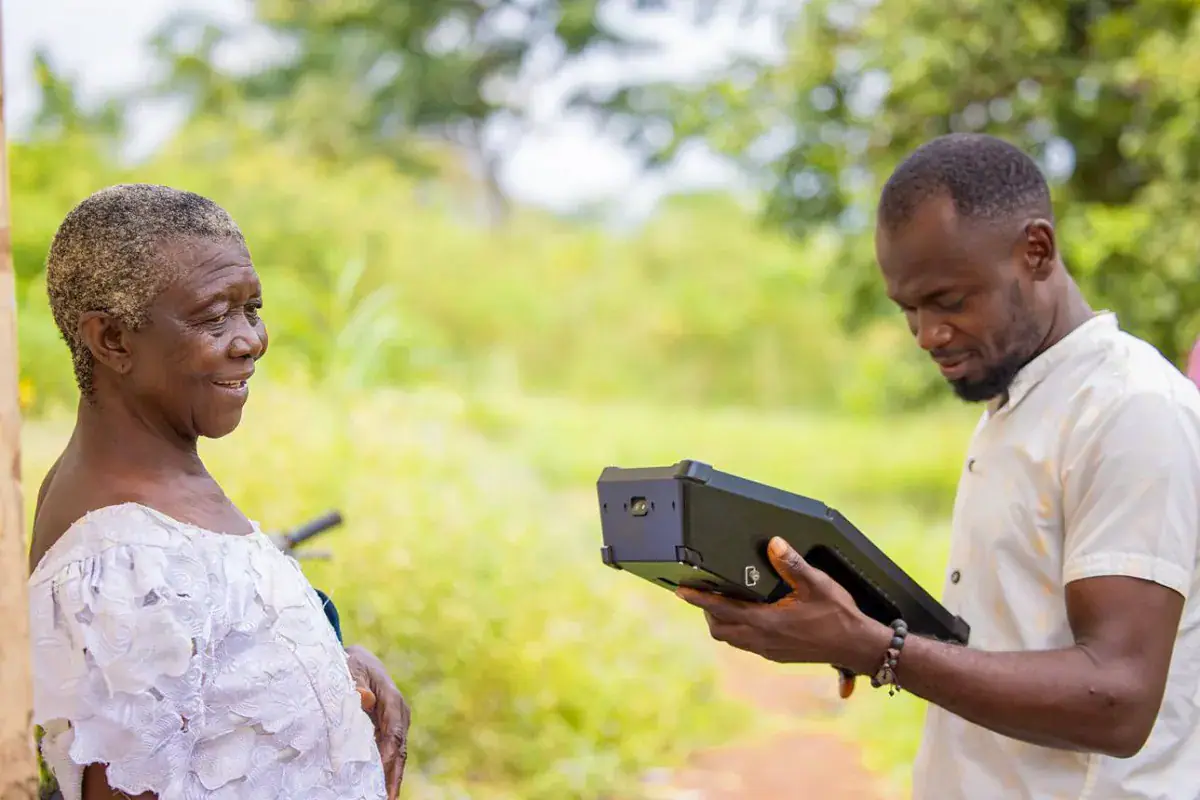
The National Identity Management Commission (NIMC) has expanded community-based registration, generating approximately 10 million NINs through its ward-level campaign since March. Plans also include deploying 7,000 procured mobile enrolment devices by January 2027 and beginning school-based registration in December 2026. However, implementation problems persist, including unpaid registration partners and delays in replacing NIMC’s identity management system.
Registration partners have not received payments since January 2026, pending the production of audited billing reports needed to authorise disbursements. Such delays complicate efforts to recruit, retain and equip enrolment agents precisely when the government needs registration activity to accelerate. The replacement of NIMC’s existing technology with the National Identity Management System 2.0 is also critical to improving processing capacity, interoperability, data protection and identity verification.
The contract for the new platform was signed on September 15, 2026, following a lengthy procurement process. Implementation is expected to take approximately 18 months, but has been compressed into 15 months, with deployment and data migration scheduled for December 15, 2027. This timetable extends well beyond the project’s current closing date. The consequences of delays reach beyond registration statistics, as National Identification Numbers support bank-account verification, mobile-phone registration and access to various public and private services.
Nigeria has made considerable progress from approximately 37 million NINs at the project’s baseline to 121 million verified numbers. However, the outstanding work involves more than issuing additional identification numbers. Registration records must become verified identities, enrolment partners need functioning payment arrangements, and the replacement technology must be delivered without compromising security or reliability. A third deadline extension would provide additional time to resolve those problems.
Key points
- Nigeria seeks a third deadline extension for its $430 million digital identity project.
- Approximately $196 million in financing remains undisbursed.
- The project aims to issue 59 million more NINs to reach its target of 180 million.