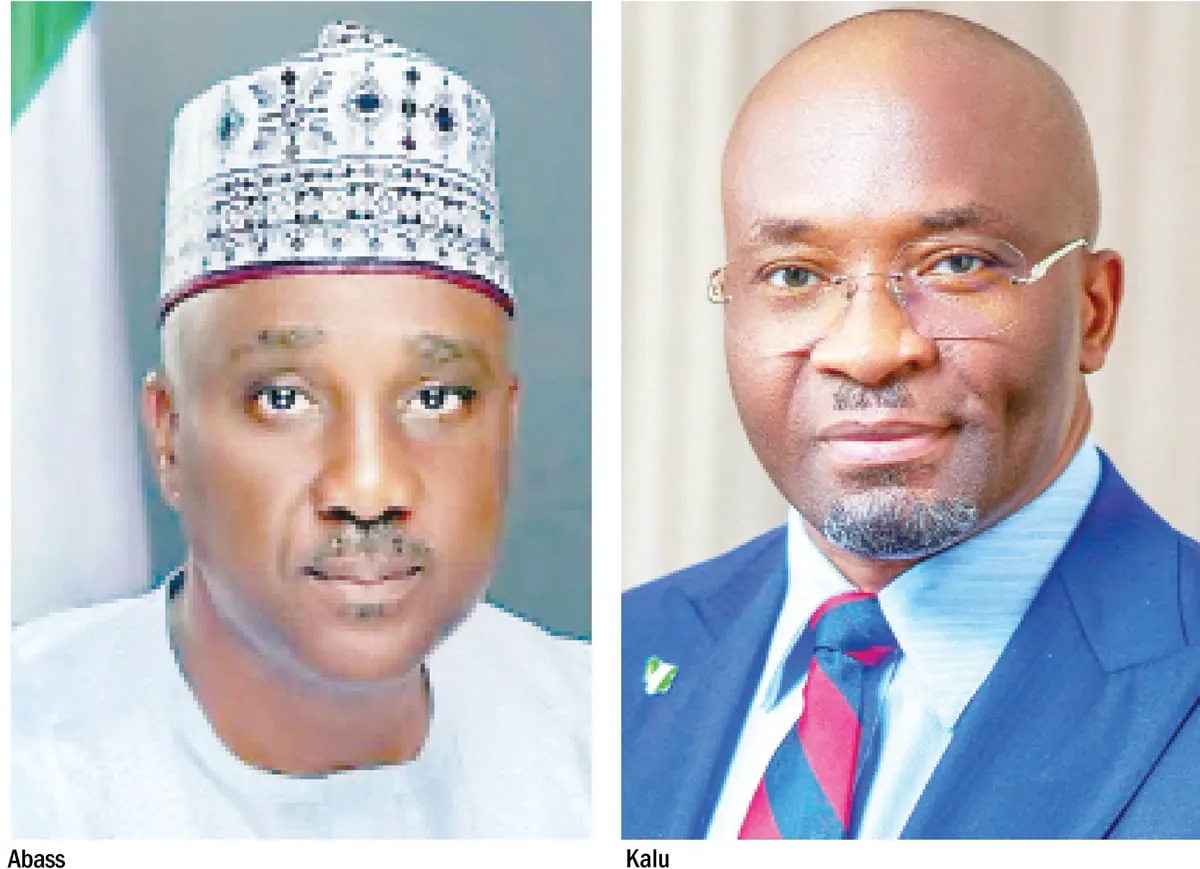
The 10th House of Representatives, led by Speaker Abbas Tajudeen and Deputy Speaker Benjamin Kalu, has established itself as one of Nigeria's most productive legislatures since the country's return to democratic rule in 1999. With an ambitious legislative agenda centered on security, economic reforms, education, governance, and political inclusion, the House has maintained constructive engagement with the Executive arm of government. Its third-year scorecard reflects unprecedented legislative productivity.
During its three-year tenure, the House has introduced 2,747 bills, passed 363, and secured presidential assent for 72, representing the highest legislative output by any National Assembly since 1999. Beyond lawmaking, the House considered over 800 public petitions, resolving numerous disputes involving citizens, institutions, and government agencies, reinforcing its commitment to responsive governance and public accountability.
The House's close working relationship with President Bola Tinubu's administration has accelerated the passage of key reforms under the Renewed Hope Agenda. Through legislative backing, the House has supported tax reforms, the Investments and Securities Act, the Electricity Act, budget approvals, and other measures designed to improve the investment climate, strengthen fiscal management, and stimulate economic growth while retaining its constitutional oversight role.
Despite acknowledging these achievements, several civil society organizations have cautioned that legislative productivity alone should not define Parliament's success. Executive Director of the Policy and Legal Advocacy Centre (PLAC), Clement Nwankwo, commended the House for advancing constitutional reforms, improving transparency, and expanding citizen engagement. However, he stressed that the Legislature must continue to exercise independent oversight of the Executive.
Economic reforms remain one of the most significant outcomes of Executive-Legislative collaboration. The House enacted tax reform laws aimed at simplifying Nigeria's tax system, reducing multiple taxation, and easing the burden on small businesses. It also supported reforms to modernize the capital market and approved budgets prioritizing infrastructure, transportation, energy, and human capital development as key drivers of sustainable economic growth.
Education and security reforms have also been significant areas of focus. The enactment of the Student Loan Act introduced an interest-free financing scheme to expand access to tertiary education for qualified Nigerians. The House has also strengthened educational financing and consumer credit frameworks. On security, lawmakers have consistently approved increased funding for the Armed Forces, intelligence agencies, and the Nigeria Police, while also pursuing structural reforms, including the establishment of State Police.
The House has also passed far-reaching amendments to Nigeria's proceeds of crime law, introducing a comprehensive legal framework for whistleblower protection and expanding the powers of anti-corruption agencies. The proposed legislation seeks to amend the Proceeds of Crime (Recovery and Management) Act, broadening the scope of non-conviction-based asset forfeiture and establishing a legal framework for whistleblowing and witness protection.
Key points
- The 10th House of Representatives has achieved unprecedented legislative productivity, introducing 2,747 bills and securing presidential assent for 72.
- The House has prioritized economic reforms, education, and security, with a focus on improving the investment climate and addressing local security challenges.
- Despite achievements, civil society organizations have emphasized the need for the Legislature to maintain independent oversight of the Executive.