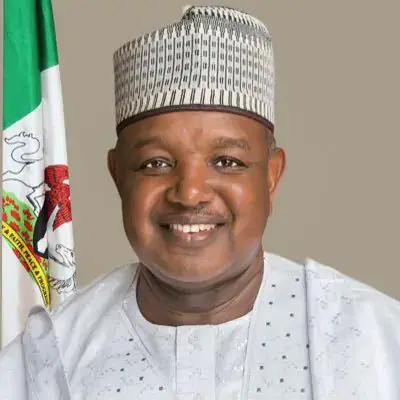
President Bola Ahmed Tinubu has ushered in a new era of Nigeria's foreign policy, emphasizing economic diplomacy and global partnerships. In his inaugural address on May 29, 2023, Tinubu stated that Nigeria affirms its rightful place among the world's great democracies. This approach seeks to bridge national ambition with international opportunity, focusing on investment, trade, technology, security cooperation, and influence.
Tinubu's foreign policy is guided by the 4D doctrine, which comprises Demography, Development, Diaspora, and Democracy. This strategy aims to serve Nigeria's development goals through diplomatic efforts. By pursuing investment diplomacy across various countries, including India, China, the Gulf, Europe, Africa, and Latin America, Tinubu's administration has secured several agreements and investment commitments.
The international diplomatic efforts have yielded significant results, including announced investment commitments from India and a Comprehensive Strategic Partnership with China. Agreements with Qatar, Türkiye, and Brazil span multiple sectors. Notably, the March 2026 UK State Visit resulted in agreements on trade, investment, defense, and culture, as well as a £746 million financing arrangement for the refurbishment of the Apapa Quays and Tin Can Island port complexes.
Africa remains a cornerstone of Nigeria's global ambition. During Tinubu's leadership of the Economic Community of West African States (ECOWAS), the region faced challenges, including military coups and the subsequent withdrawal of Niger, Mali, and Burkina Faso. This experience highlighted both the responsibilities and limitations of regional leadership.
In addition to strengthening ties with Africa, Tinubu's administration has expanded Nigeria's global reach. A visit to Saint Lucia in 2025 enhanced Nigeria's connection to the Caribbean and the Organisation of Eastern Caribbean States. The cooperation between Nigeria and the OECS member states covers education, tourism, culture, investment, health, trade, and technology, including scholarships for OECS students.
Nigeria has also pursued strategic diversification in its international relationships. The country formally accepted its admission into BRICS as a partner country in January 2025, opening avenues for South-South cooperation, trade, investment, and engagement with major emerging economies. This move complements existing relationships with China, India, Brazil, Türkiye, and the Gulf.
Furthermore, Nigeria continues to advocate for reform in global governance. The country supports Africa's demand for permanent representation on the United Nations Security Council. At the 80th UN General Assembly, Vice-President Kashim Shettima reiterated Nigeria's case for permanent membership, emphasizing its population, economic weight, regional leadership, and contributions to peacekeeping.
Key points
- President Tinubu's foreign policy focuses on economic diplomacy and global partnerships.
- Nigeria seeks to strengthen ties with Africa, the Caribbean, and other regions through strategic diversification.
- The country advocates for permanent representation on the United Nations Security Council.