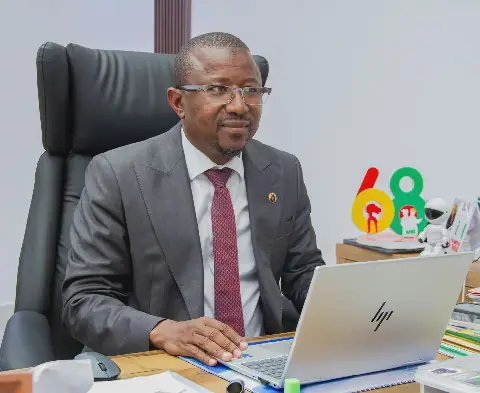
The Nigerian Federal Government has initiated preliminary consultations for a new national minimum wage, amid pressure from organised labour for a substantial increase from the current ₦70,000. According to Dr. Kamil Shoretire, Permanent Secretary of the Federal Ministry of Labour and Employment, background consultations are underway, but no timetable has been set for formal negotiations. The government will make its proposals public at the appropriate stage.
The current national minimum wage of ₦70,000 was implemented in July 2024, following negotiations between the government and labour unions. President Bola Tinubu signed the National Minimum Wage Bill into law, increasing the wage from ₦30,000. However, labour unions are now demanding a new minimum wage of ₦500,000, citing rising living costs and declining purchasing power. This demand has not been approved by the Federal Government.
Organised labour has also called for an immediate wage award and reviews of salaries and allowances, arguing that workers need relief while negotiations over a new minimum wage continue. The Trade Union Side of the Joint National Public Service Negotiating Council and the Nigeria Labour Congress have backed the demand for a substantial increase. The rising cost of petrol has become a major issue in the discussions, with workers calling for petrol to be stabilised at ₦500 per litre.
The review cycle for the minimum wage has been shortened from five years to three, allowing for more frequent wage reviews in response to economic conditions. This change was introduced during the 2024 minimum-wage process. As a result, 2027 is the key year for the next statutory review of the minimum wage. Labour has been pushing to begin negotiations ahead of the formal review period, rather than waiting until the last moment.
Despite the ₦500,000 demand, the government has not announced a new national minimum wage or formal negotiation timetable. The consultations currently underway are preparatory. The cost of living, including food, transportation, housing, and energy costs, will be central to the discussions. The negotiations are likely to involve not only the wage amount but also broader questions about workers' purchasing power and the cost of implementing any new wage structure.
The eventual figure for the new minimum wage will depend on the negotiations among the relevant stakeholders, including government, organised labour, and employers. The government has said it will release further details when the process reaches the appropriate stage. The ₦500,000 proposal should not be presented as Nigeria's new minimum wage, as it is a labour demand, not an officially approved figure.
The new minimum wage negotiations take place against a backdrop of significant pressure on household budgets, with rising global oil prices adding to renewed cost-of-living pressure. The outcome of the negotiations will have a significant impact on workers' purchasing power and the overall economy.
Key points
- Labour is demanding a ₦500,000 minimum wage, citing rising living costs.
- The government has started preliminary consultations for a new national minimum wage.
- The review cycle for the minimum wage has been shortened from five years to three.