Nigeria's Minister of Education, Dr. Maruf Tunji Alausa, has announced plans to integrate sports training programmes of the National Institute for Sports (NIS) into the Federal Government's Technical and Vocational Education and Training (TVET) initiative. This move aims to provide young Nigerians with practical skills in sports coaching, facility management, groundskeeping, and other sports-related professions. The integration is expected to strengthen the country's sports industry and create employment opportunities for Nigerian youths.
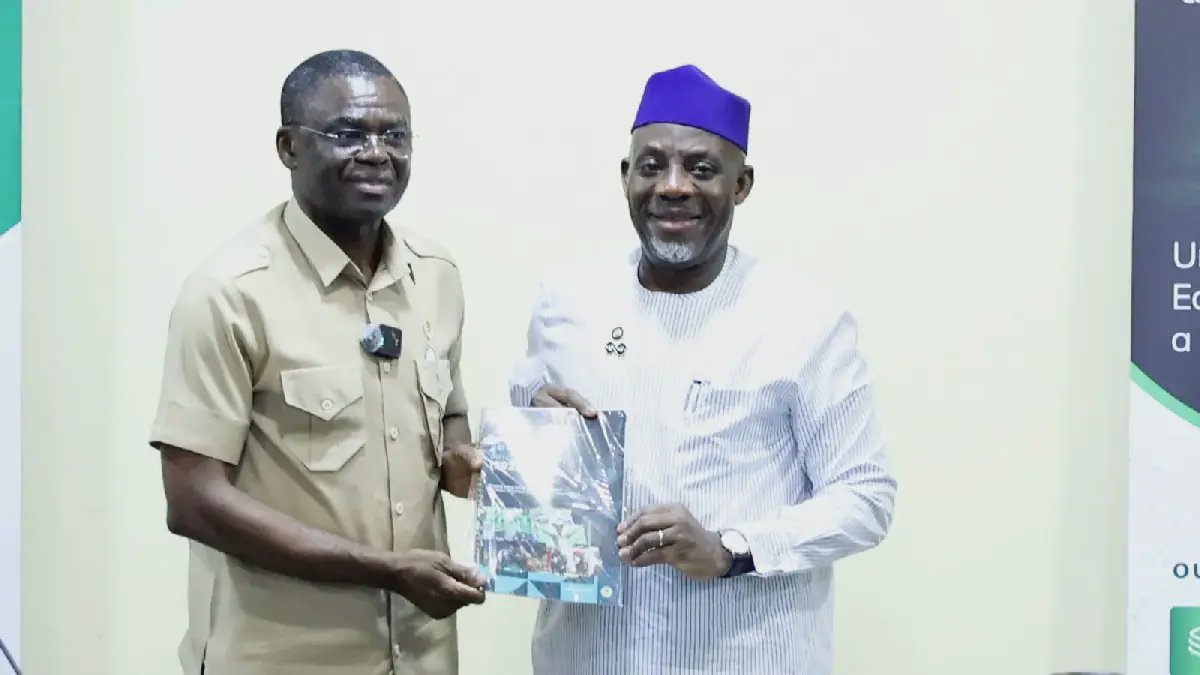
The proposed integration was discussed during a meeting between Alausa and the Director-General of the NIS, Comrade Philip Shaibu. Both officials explored areas of collaboration between the education and sports sectors. According to a statement signed by the Minister's Special Adviser on Media and Communications, Ikharo Attah, the proposal would enable young Nigerians to access vocational training through NIS centres across eight states. Programmes lasting up to six months are being considered, subject to necessary approvals.
The Minister disclosed that the initiative would build on the achievements of the Federal Government's TVET programme, which has trained or graduated more than 250,000 Nigerians through approximately 1,200 centres within the last 12 to 18 months. About 98 per cent of the centres were privately operated, while participating trainees received a monthly stipend of ₦30,000. This programme has been successful in providing young Nigerians with practical skills and employment opportunities.
Alausa highlighted the need to develop local expertise in sports infrastructure management, particularly in groundskeeping, pitch maintenance, and games instruction. He noted that investments in sports facilities would require adequately trained personnel to maintain them in line with international standards. Developing local professionals could reduce dependence on foreign workers and create more job opportunities for Nigerians.
A common curricular framework has been developed in collaboration with the National Universities Commission (NUC), National Board for Technical Education (NBTE), National Commission for Colleges of Education (NCCE), sports experts, the private sector, and the National Sports Commission. The framework covers six areas: Sports and Exercise Science; Coaching and Development Science; Sports Management and Business; Sports Medicine and Rehabilitation; Sports Technology and Data Analytics; and Sports Law.
The NIS Director-General, Comrade Philip Shaibu, commended the Minister for the ongoing education reforms and renewed attention to technical and vocational skills development. He emphasised the importance of incorporating sports into the school curriculum and identified the shortage of qualified games masters and certified coaches as a major obstacle to grassroots sports development. Shaibu disclosed that the NIS had expanded its operations across the six geopolitical zones and graduated more than 1,000 coaches within one year.
The integration of sports training into the TVET programme is expected to create additional career opportunities for young people and address manpower gaps in the country's sports industry. The Minister reaffirmed the Ministry's readiness to collaborate with the NIS and the National Sports Commission to strengthen the relationship between education, vocational training, and sports development. Equipping young Nigerians with practical and industry-relevant skills remains essential to expanding employment opportunities and building a sustainable sports economy.
Key points
- The proposed integration aims to provide young Nigerians with practical skills in sports coaching, facility management, groundskeeping, and other sports-related professions.
- The initiative would build on the achievements of the Federal Government's TVET programme, which has trained or graduated more than 250,000 Nigerians within the last 12 to 18 months.
- A common curricular framework has been developed to promote structured sports education across universities, polytechnics, and colleges of education.