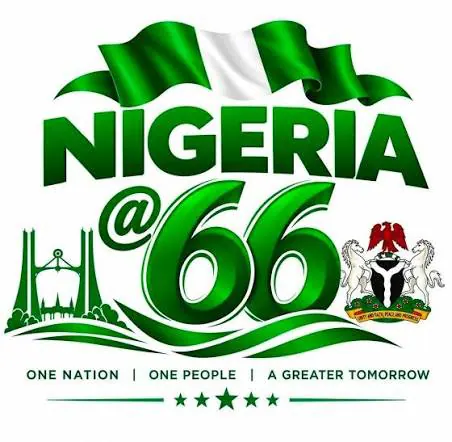
On October 1, 1960, Nigeria gained independence from colonial rule, marking a significant milestone in the country's history. Sixty-six years later, Nigerians are reflecting on the progress made and the challenges that still persist. The country's flag still flies, but the anniversary demands a more searching audit than mere survival. The promise of independence, which was supposed to bring about change and give Nigerians ownership of their country, is still being evaluated.
Despite being one of the most extraordinary collections of human potential anywhere on earth, Nigeria still grapples with harsh realities. The country's musicians, writers, doctors, lawyers, engineers, academics, and entrepreneurs have made a name for themselves globally. However, many Nigerians still struggle with poverty, unemployment, and lack of access to basic necessities like healthcare and education. The country's young people are often forced to seek opportunities abroad, leaving behind a nation that educated them.
The current state of the economy is a significant challenge, with record-high petrol prices and food inflation. In September, Nigerians confronted petrol prices of around ₦1,400 per litre in Lagos and Abuja, while food inflation stood at 19.57 per cent in August. Headline inflation had eased to 15.39 per cent, according to Reuters. These economic challenges have a direct impact on the daily lives of Nigerians, who are struggling to make ends meet.
The conversation about Nigeria's independence must go beyond mere celebration and examine the practical realities of everyday life. A country becomes truly independent when citizenship carries practical dignity. Political sovereignty without human dignity is an unfinished achievement. Nigerians must begin to demand more from themselves and their leaders, holding them to a higher standard of accountability and responsibility.
The government bears enormous constitutional responsibility, but Nigerians also have a role to play in fixing the country. Citizens often demand honest leaders while celebrating dishonesty when it benefits them. This hypocrisy must be addressed, and Nigerians must take responsibility for their actions. The country's problems are not just the government's fault, but also the result of citizens' complicity.
Patriotism does not require pretending that everything is fine, but rather a willingness to criticize and repair the country. Nigerians must avoid comfortable silence and instead engage in critical discussions about the country's challenges. Criticism is not a sign of hate, but rather a sign of investment in the country's future. The danger is when disappointment becomes indifference, and Nigerians become desensitized to the country's problems.
As Nigeria marks 66 years of independence, the question is no longer whether the country is independent, but what has been done with that independence. The country's progress must be measured not just by GDP growth and government revenue, but by the practical realities of everyday life. Can people eat? Can children learn in a safe environment? Can workers live on what they earn? These are the questions that Nigerians must answer as they reflect on their country's progress and challenges.
Key points
- Nigeria's 66th anniversary of independence highlights the need for citizens to take responsibility for the country's progress and challenges.
- The country's economic challenges, including high petrol prices and food inflation, have a direct impact on the daily lives of Nigerians.
- Patriotism requires critical love and a willingness to repair the country, rather than comfortable silence.