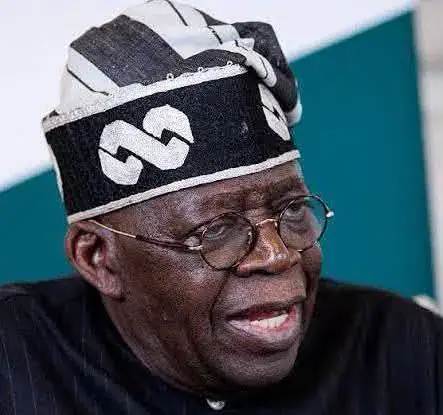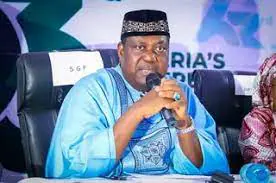
The Federal Government of Nigeria has ruled out any possibility of returning to the petrol subsidy regime, defending the economic reforms introduced by President Bola Tinubu. Secretary to the Government of the Federation, Senator George Akume, stated this at the 66th Independence Anniversary Lecture in Abuja. He said the reforms, including the removal of petrol subsidy, were necessary to prevent Nigeria from slipping into deeper economic difficulties and to lay the foundation for long-term economic stability.
Akume said the administration took several difficult decisions shortly after assuming office in 2023 to address longstanding economic challenges. The measures included the removal of petrol subsidy, unification of the foreign exchange market, tax reforms, and other fiscal measures. Although the reforms had imposed difficulties on Nigerians, Akume said they were necessary to rebuild the economy and create a more sustainable fiscal structure.
According to Akume, the government had no intention of reversing the subsidy removal, declaring that they would not return to the "ruinous petroleum subsidy regime of the past." He identified the removal of petrol subsidy as one of the major steps taken by the administration to address economic challenges. The SGF said the government was beginning to see results from the measures, while acknowledging the need for economic growth to have a direct impact on the living conditions of Nigerians.
Citing World Bank figures, Akume said Nigeria's real Gross Domestic Product grew by 4.2 per cent in the first half of 2026, compared with 3.9 per cent recorded during the corresponding period a year earlier. However, he said the government's focus should extend beyond headline economic growth to ensuring that the expansion generated employment opportunities and increased incomes for Nigerians.
Akume also highlighted the government's transition from petrol-powered transportation to Compressed Natural Gas (CNG) as part of efforts to reduce the impact of fuel costs on Nigerians. He said more than 120,000 vehicles had been converted to CNG, with over 400 conversion centres and 90 fuelling stations established across the country. The initiative was helping to reduce transportation costs, with CNG-powered buses carrying millions of passengers at fares lower than those of petrol-powered buses.
The SGF listed interventions in the power, infrastructure, agriculture, housing, education, healthcare, and security sectors as part of the administration's efforts to strengthen the economy. He said the government had cleared legacy debts in the power sector and increased investment in transmission and billing infrastructure. Major road, rail, and port projects were also being pursued to improve transportation and facilitate economic activities across the country.
Minister of Information and National Orientation, Mohammed Idris, who also spoke at the lecture, said Nigeria's economy grew by 4.43 per cent in the second quarter of 2026. He called for public discourse based on facts, verification, and national cohesion, urging citizens and public commentators to prioritise accurate information and national unity in their engagements. Idris said the government's economic measures were part of broader efforts to reposition the country and strengthen its productive capacity.
Key points
- The Federal Government has ruled out returning to the petrol subsidy regime.
- Nigeria's economy grew by 4.2 per cent in the first half of 2026.
- The government has established over 400 CNG conversion centres and 90 fuelling stations across the country.