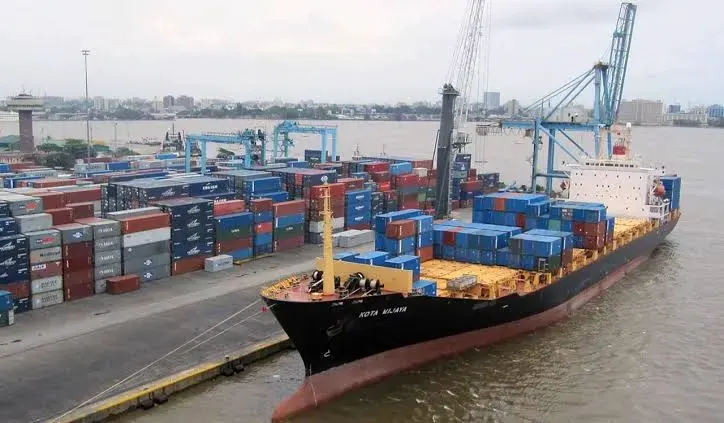
The Nigerian economy is reeling from the impact of foreign goods and services, with local businesses struggling to compete. Traders and importers are protesting the influx of foreign nationals in traditionally Nigerian-dominated businesses, citing the federal government's fiscal laxity as a major factor. The invasion is widespread, affecting industries such as freight forwarding, construction, trading, mining, agriculture, manufacturing, and more.
The impact on the economy is significant, with freight forwarders contributing to Customs revenue generation stating that their profession is now dominated by foreigners, causing the economy to bleed over N130 billion annually. Nigerian manufacturers and traders argue that foreign operators are making it difficult for them to remain competitive, leading to business closures and job losses. Many foreign operators do not make long-term investments in Nigeria, instead renting premises, selling goods, repatriating earnings, and leaving.
Foreign investors, particularly from China, India, and other countries, have expanded their presence across several sectors of the Nigerian economy. Nigerian traders previously traveled abroad to import goods, establishing distribution networks across the country. However, this arrangement is now fractured as foreigners become manufacturers, importers, wholesalers, and retailers, selling directly to consumers at cheaper rates. Local retailers struggle to compete, resulting in financial and job losses.
The situation is further exacerbated by foreigners operating in free zones, allegedly bringing in finished products and selling them in Nigerian markets while evading duty. Local traders are being driven out of business as Chinese retailers take over local markets. In Lagos Trade Fair market, traders protested the activities of Chinese retailers, accusing them of selling directly to consumers and putting pressure on indigenous businesses and livelihoods.
The practice of Chinese retailers operating as wholesalers and selling directly to consumers disrupts the conventional distribution chain. Local traders argue that Chinese retailers have an advantage due to their ability to offer goods at prices close to wholesale rates, making it difficult for local retailers to compete. This situation is not unique to Nigeria, with Kenyan traders protesting in February 2023 against Chinese-owned retail outlets offering low prices.
In response to concerns about Chinese traders, Kenya's President William Ruto ordered enforcement against foreigners operating in small-scale businesses in September 2022. He emphasized that foreign investment should create jobs and expand production, rather than competing with Kenyans in small retail businesses. Meanwhile, in Nigeria, Chinese nationals are now sourcing agricultural produce from farms across the country for export, a business typically reserved for local exporters.
Trade expert Alhaji Abdulazeez Mukaila attributes the problem to inadequate advocacy and the government's granting of permits to foreign nationals without considering the impact on local traders and businesses. He notes that the government should be aware of the security implications and that granting permits to foreigners can undermine local interests. Mukaila emphasizes the need for the government and Nigerian Customs Service to reassess their policies and ensure that foreign investment benefits Nigerians.
Key points
- Foreign goods and services are causing significant job losses and economic damage in Nigeria.
- Local businesses are struggling to compete with foreign operators who are dominating various sectors of the economy.
- Experts are calling for the government to reassess its policies and ensure that foreign investment benefits Nigerians.