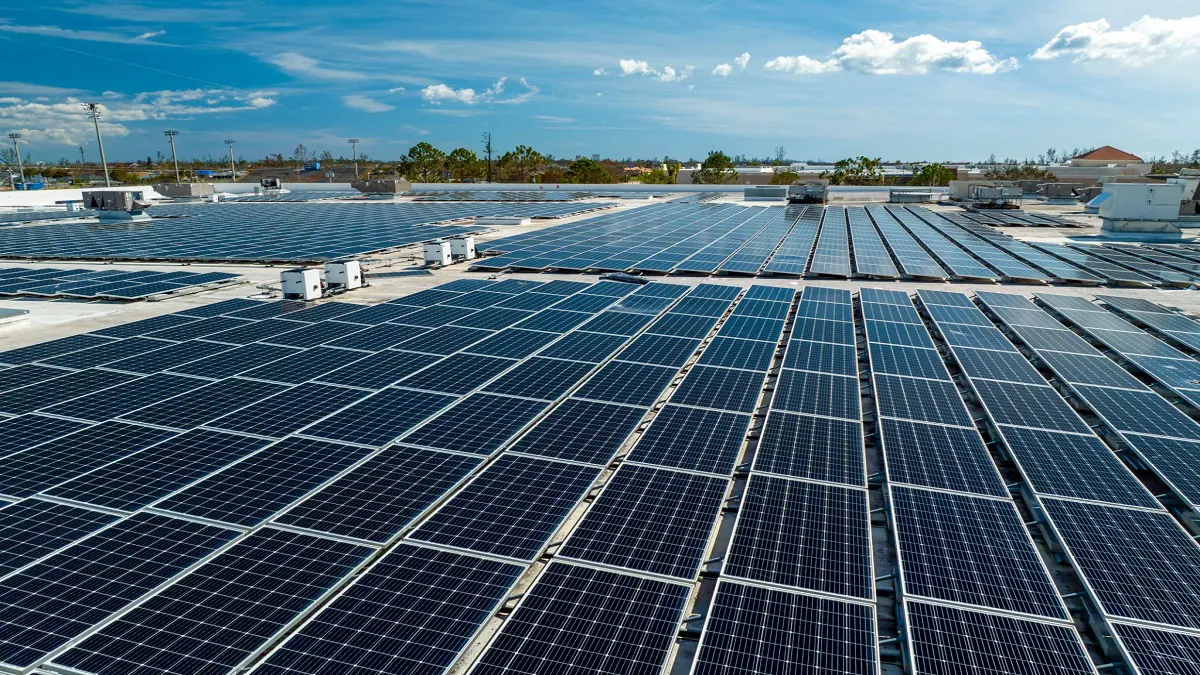
Nigeria has launched a $300 million Distributed Renewable Energy Fund to increase electricity supply to underserved communities and businesses. The fund will support renewable energy systems such as mini-grids and standalone solar installations. This initiative aims to provide power to areas poorly served by conventional electricity infrastructure. The Nigeria Sovereign Investment Authority and Africa50 will jointly manage the fund.
The fund's launch marks a transition from organisation to deployment of capital. The World Bank has identified an initial $25 million contribution through the International Development Association. The programme covers mini-grids, solar home systems, commercial and industrial power, embedded generation, and energy storage. Partners also aim to attract naira funding from pension funds, insurers, and other institutional investors.
The fund addresses a practical financing problem faced by developers who need money to install equipment before collecting electricity payments over time. Local-currency financing could reduce the mismatch between naira customer receipts and foreign-currency debt. However, it would not remove the cost of imported equipment or guarantee cheap electricity.
Despite the launch, details about project selection, financing terms, and application deadlines remain undisclosed. Developers lack published terms to assess eligibility, pricing, and financing obligations. An earlier announcement described a $500 million Nigeria DRE Fund, but the current fund is $300 million, with no clear reconciliation between the two amounts.
The fund could give renewable-energy developers a stronger route to capital. Its practical value will become clearer when managers disclose their first investments and the terms under which those projects will serve customers. For prospective electricity customers, useful evidence will come from completed systems, connection charges, service reliability, and actual bills.
A financed installation must supply enough power for activities people depend on, from refrigeration and irrigation to running workshops. The launch establishes an investment programme, but it does not confirm that the entire $300 million has already reached developers or paid for completed installations.
The Nigeria Sovereign Investment Authority and Africa50 will jointly manage the investment vehicle. The fund's partners want to attract naira funding from pension funds, insurers, and other institutional investors. The World Bank's initial $25 million contribution will support the fund. Key points:
Key points
- The fund will support renewable electricity for underserved communities and businesses.
- NSIA and Africa50 will jointly manage the investment vehicle.
- The World Bank identifies an initial $25 million IDA contribution.