The General Manager of the National Theatre, Tola Akerele, has stated that Nigeria possesses a wealth of untapped talent that could help establish a presence in the global contemporary circus industry. Akerele made this statement during the unveiling of the Lagos Contemporary Circus Festival, which is set to take place on Saturday and Sunday. The event was announced at a press conference held on Friday at the National Theatre in Surulere, Lagos. Circus, as an art form, combines various disciplines such as theatre, dance, juggling, and acrobatics.
Akerele emphasized that Nigeria's rich cultural heritage, traditional dances, acrobatics, and other forms of physical performance provide a strong foundation for developing a homegrown circus industry. She noted that the country has long practiced elements of circus without formally recognizing them as such. According to Akerele, traditional performances in Nigeria, particularly in the North, involve acrobatics, movement, and dance, which can be further developed through contemporary circus. These performances, she believes, demonstrate the natural talent that exists in the country.
The National Theatre boss identified the challenge of identifying existing talent, exposing performers to international techniques, and creating opportunities for them to develop their skills professionally. Akerele expressed her excitement about the potential for growth in the circus industry in Nigeria, citing the success of individuals like Sam, who has been working in the field. She believes that with the right support and opportunities, Nigerian performers can gain more skills, work with other countries, and elevate the industry.
The founder of La Fabrique Culturelle, Chantal Djedje, supports Akerele's argument that Africa already has a strong foundation for circus. Djedje notes that traditional dances and movements across the continent contain elements of the art form. She argues that the perception that Africa has no circus stems partly from how traditional African performances are classified. Djedje also points to street performers in Lagos as evidence of the talent available locally, citing the skills and creativity of these performers.
Chantal Djedje cited Guinea as an example of how circus can provide young people with a pathway into professional careers. In Guinea, many kids who were previously on the streets are now part of the biggest circus companies in the world, such as Circus Baobab and Cirque du Soleil. Djedje believes that this is a good opportunity for young people who may not have other career options. The co-founder and Artistic Director of Fekat Circus, Dereje Dange, also shared his insights on the development of a successful circus industry, emphasizing the importance of discipline and persistence.
Dereje Dange noted that Ethiopia's circus sector has grown considerably, starting from a small base, with performers eventually finding opportunities to work around the world. He believes that with the right approach, circus can develop from a small initiative into a professional industry capable of supporting performers. Swiss circus artist Jessica Arpin also shared her perspective, highlighting the inclusivity of the circus industry. According to Arpin, there is space for people with different body types, physical abilities, and interests in the circus.
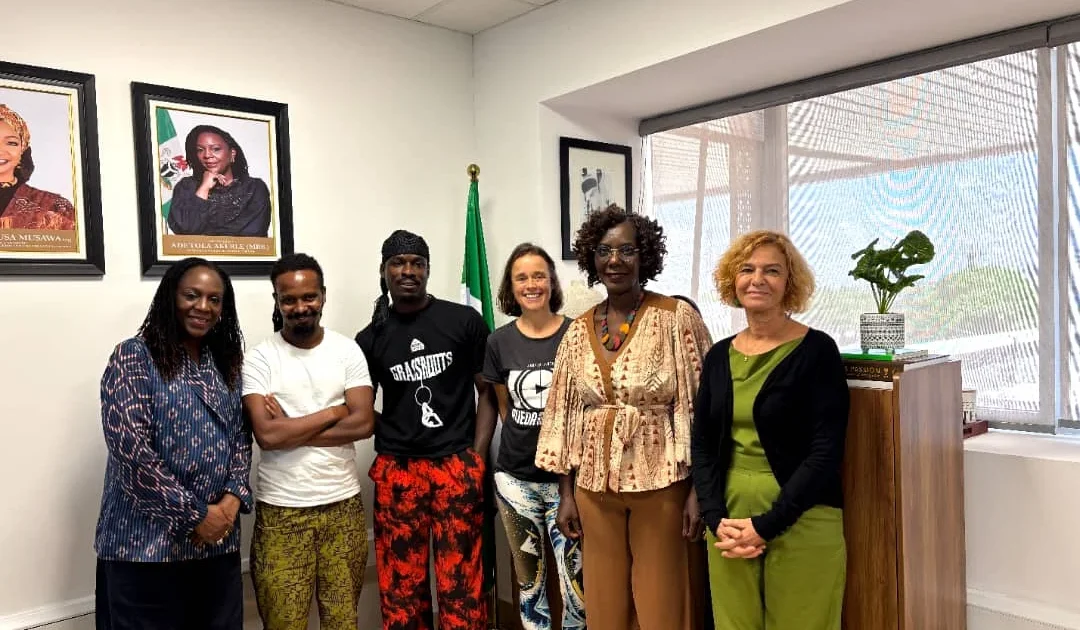
Jessica Arpin, a 47-year-old circus artist, stressed the importance of discipline and taking care of the body for performers seeking long-term careers. She believes that while natural talent is important, it is equally crucial to take care of one's body to ensure a long and successful career. The press conference was part of efforts to promote contemporary circus in Nigeria through collaboration among Nigerian and international artists, with support from the European Union. The Lagos Contemporary Circus Festival aims to lay the foundation for a more structured circus sector in Nigeria.
Key points
- Nigeria has abundant talent for the global contemporary circus industry.
- The development of the circus industry can create employment and provide young Nigerians with alternative career opportunities.
- Africa already has a strong foundation for circus, with traditional dances and movements containing elements of the art form.