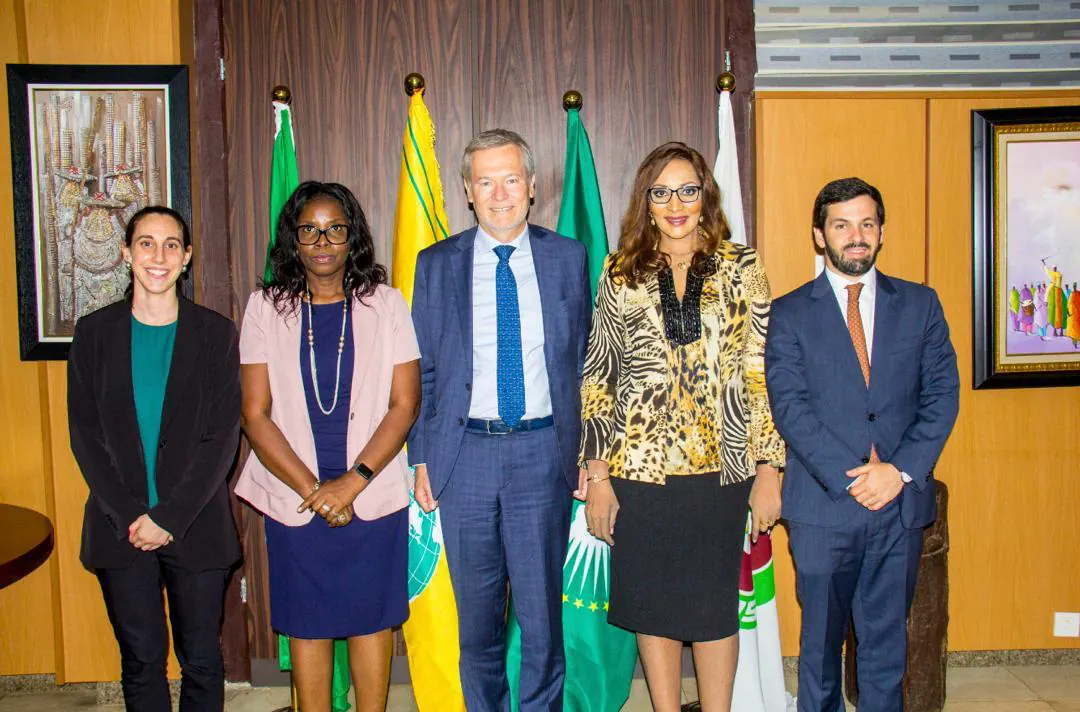
Nigeria and the European Union have strengthened discussions on migration, democratic governance, security, and sustainable development as part of efforts to deepen bilateral relations. The Minister of Foreign Affairs, Ambassador Bianca Odumegwu-Ojukwu, held discussions with the EU Ambassador to Nigeria and ECOWAS, Gautier Mignot, during a meeting at the Ministry of Foreign Affairs in Abuja. The meeting focused on Nigeria-EU relations, developments in West Africa, and preparations for high-level engagements between both sides.
The discussions between Odumegwu-Ojukwu and Mignot stressed the importance of inclusive, peaceful, and credible elections in promoting democratic stability in West Africa. Mignot informed the minister that the EU had been engaging with the Independent National Electoral Commission and would deploy an expert mission for the 2027 general elections. The EU will continue supporting INEC, the media, civil society organisations, political parties, and the National Assembly to strengthen Nigeria’s electoral processes and democratic institutions.
On migration, the two sides reviewed cooperation on migration management, combating human trafficking, legal migration pathways, returns, and readmission. Mignot disclosed that technical discussions were progressing towards formalising a readmission agreement between Nigeria and the EU. Both sides also agreed on the importance of regular migration pathways and arrangements that protect human dignity, with further technical consultations expected to advance the Nigeria-EU migration partnership.
The meeting further reviewed EU-supported international initiatives, including freedom of navigation, the Global Green Bond Initiative, and the Electrify Now initiative. These initiatives focus on clean energy, climate action, and economic resilience. The minister and the EU ambassador also exchanged views on major international developments, including the conflict in Ukraine and its implications for food security and global commodity markets.
The two sides discussed developments in the Middle East and reaffirmed support for a two-state solution to the Israel-Palestine conflict. On cultural and youth cooperation, Mignot highlighted EU-supported initiatives across Nigeria, including programmes for young entrepreneurs in the North-West and the Lagos Biennial for Contemporary Arts. These initiatives aim to promote cultural exchange and support Nigeria's development priorities.
Odumegwu-Ojukwu welcomed the EU’s continued engagement with Nigeria and stressed the need to translate existing partnerships into practical programmes and measurable outcomes that support the country’s development priorities. She also emphasised the importance of sustained dialogue on security, migration, economic development, and democratic governance. The two sides agreed to maintain regular consultations and strengthen high-level exchanges.
The meeting concluded with an agreement to improve existing mechanisms for cooperation and ensure effective implementation of agreed outcomes. The two sides stressed the importance of timely communication and follow-up through established diplomatic channels. This will help to promote cooperation and achieve mutually beneficial outcomes in the Nigeria-EU partnership.
Key points
- Nigeria and the EU have strengthened discussions on migration, democratic governance, security, and sustainable development to deepen bilateral relations.
- The EU will deploy an expert mission to support the 2027 general elections in Nigeria and continue supporting INEC and other stakeholders to strengthen Nigeria’s electoral processes.
- The two sides agreed to maintain regular consultations and strengthen high-level exchanges to promote cooperation and achieve mutually beneficial outcomes.