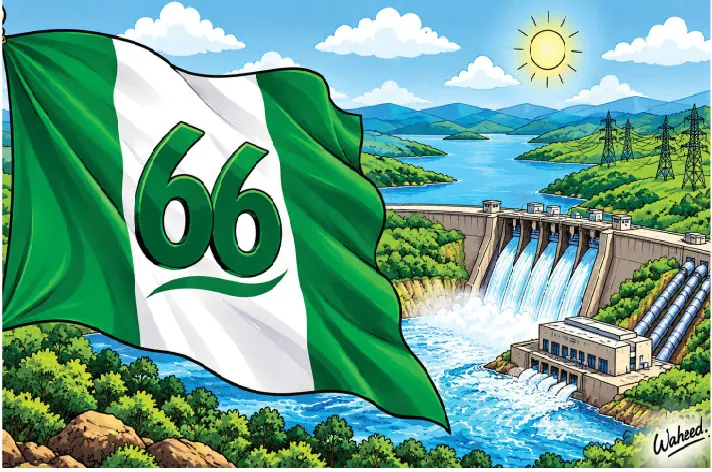
As Nigeria celebrates 66 years of independence on October 1, the country has dodged a significant financial bullet. An International Chamber of Commerce tribunal in Paris delivered a final award in favor of Nigeria on September 17, rejecting claims from Sunrise Power and Transmission Company Limited that could have exposed the country to liabilities running into billions of dollars. The dispute centered on the Mambilla Hydropower Project, a long-running and contentious issue that has been a source of concern for the Nigerian government.
The Mambilla Hydropower Project has been a saga of governance, public contracting, and institutional authority, highlighting the enormous price a country can pay when these things go wrong. The project, valued at around $6 billion, was awarded to Sunrise Power and Transmission Company Limited in 2003 by then Minister of Power and Steel, Olu Agunloye. However, the authority of the minister to award the contract was later disputed, with former President Olusegun Obasanjo claiming he had not authorized the contract and had directed that the proposal be withdrawn.
The dispute arose from a build-operate-transfer contract awarded to Sunrise Power and Transmission Company Limited for the development of the Mambilla Hydropower Project. The company, promoted by Leno Adesanya, sought $2.354 billion in damages over an alleged breach of the 2003 agreement, as well as another $400 million from a separate claim arising from a later settlement arrangement. The Federal Government of Nigeria said the wider claims, including interest, exceeded $3 billion, a significant liability that could have funded thousands of classrooms, equipped hospitals, and built roads and water infrastructure.
The tribunal's decision has spared Nigeria an extraordinary financial burden, ordering Sunrise and Adesanya to reimburse Nigeria 75 percent of its legal fees and expenses, reportedly around $11.82 million. This is a significant victory for Nigeria, which has often lost public money through bad contracts, abandoned projects, and poorly managed disputes. The country's power sector has long struggled with unreliable power, and this decision has potentially saved Nigeria a significant amount that could have been spent on electricity development.
The Mambilla Hydropower Project has remained unfinished for decades, despite its potential to provide much-needed electricity to Nigerians. The project's troubled history highlights the need for improved governance, public contracting, and institutional authority in Nigeria. The country's experience with the project serves as a lesson in the importance of careful decision-making and due diligence in major contracts and projects.
The dispute over the Mambilla Hydropower Project raises important questions about the authority of government officials to bind the country to contracts. The disagreement between the ministerial communication and the former President's claims highlights the risks of unclear or disputed authority in government contracting. This has significant implications for Nigeria's economic development and its ability to attract investment in critical infrastructure projects.
As Nigeria celebrates its 66th anniversary of independence, the country can reflect on the lessons learned from the Mambilla Hydropower Project dispute. The decision has saved Nigeria a significant financial liability, but it also highlights the need for improved governance, transparency, and accountability in public contracting and institutional authority. The country must continue to work towards creating a more favorable business environment and ensuring that its institutions are strong and effective.
Key points
- Nigeria dodges a $3 billion liability in the Mambilla Hydropower Project dispute with Sunrise Power and Transmission Company Limited.
- The dispute highlights the need for improved governance, public contracting, and institutional authority in Nigeria.
- The Mambilla Hydropower Project has remained unfinished for decades, despite its potential to provide much-needed electricity to Nigerians.