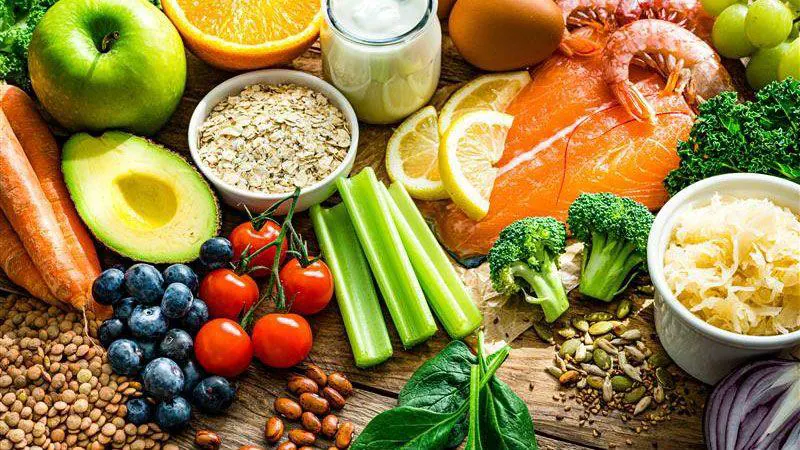
Nigeria's food challenge extends beyond production to the journey from farm to table. The country recently marked the International Day of Awareness of Food Loss and Waste, highlighting the need to address this issue. Globally, 13% of food is lost between harvest and retail, while 19% is wasted at household, food-service, and retail levels. Nigeria's food loss and waste problem is particularly concerning, as it could otherwise contribute to food availability, affordability, and nutrition security.
Studies show that Nigeria loses significant amounts of food after harvest, with varying losses across different crops and livestock products. Poor roads, inadequate storage, unreliable electricity, and security challenges are major causes of these losses. The problem occurs at multiple points along Nigeria's food value chains, including harvesting, drying, storage, transportation, and processing. For highly perishable foods, losses can happen rapidly due to bruising, inadequate packaging, heat, poor roads, delays, and limited cold storage.
Animal-source foods, including fish, meat, eggs, and milk, are vulnerable to spoilage where refrigeration, hygienic handling, and reliable electricity are inadequate. At markets and in households, food may be discarded due to damage, unsold status, over-purchase, or poor storage. Research on tomato farmers found that improved packaging technologies, such as reusable plastic crates, can help reduce losses during harvesting and transportation. However, the cost and availability of such technologies remain barriers for many farmers.
Food loss is also a nutrition issue, as nutrient-rich foods like fruits, vegetables, fish, eggs, milk, and meat are lost, households lose not only calories but also vital vitamins, minerals, protein, and dietary fibre. A 2026 Nigerian study found that households experiencing post-harvest losses had higher food expenditure and lower dietary diversity, with about 40% of those studied being food insecure. Reducing post-harvest losses could strengthen food security.
The solutions require action across the entire food system. The government should invest in storage facilities, rural roads, electricity, and cold-chain infrastructure. Farmers and food traders need access to affordable post-harvest technologies, improved packaging, processing equipment, and extension services. Food businesses should strengthen systems for managing safe surplus food, while households can reduce avoidable waste through better purchasing, storage, and meal planning.
Most importantly, reducing food loss should become a measurable component of Nigeria's food and nutrition strategy. Producing more food remains essential, but production gains will have limited impact if significant quantities are lost before reaching consumers. Post-harvest losses should be seen not only as an agricultural or environmental challenge but also as a food affordability and nutrition security issue.
On the International Day of Awareness of Food Loss and Waste, Nigeria should remember that wasted food represents more than lost money; it can represent a missed meal, a less diverse diet, and a missed opportunity to improve nutrition. Saving food means saving nutrition, supporting farmers, protecting household incomes, and strengthening food security. Nigeria cannot afford to waste the food it already produces.
Key points
- Nigeria loses significant amounts of food after harvest, with 20-30% of grains, 30-50% of roots and tubers, and higher losses for fruits and vegetables.
- Food loss and waste have significant impacts on food availability, affordability, and nutrition security in Nigeria.
- Reducing post-harvest losses through better aggregation, processing, preservation, and extension services could strengthen food security in Nigeria.