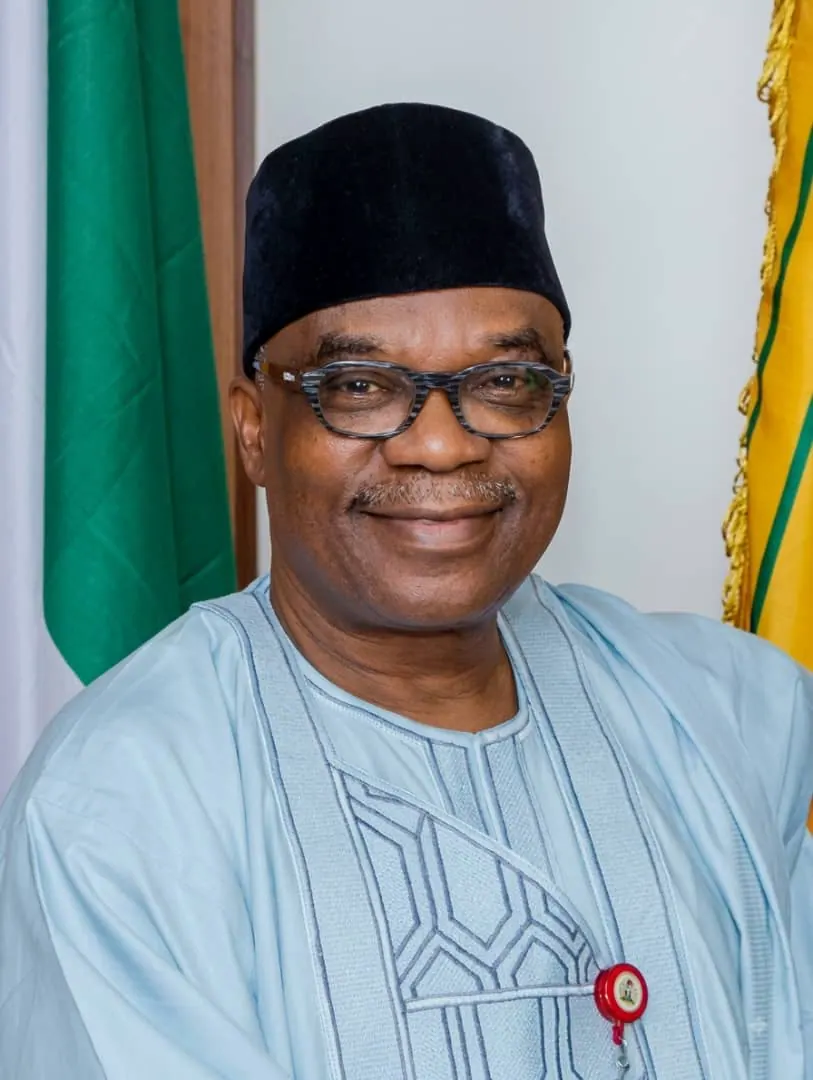
Nigeria's Minister of State for Foreign Affairs, Ambassador Sola Enikanolaiye, has emphasized the need for trade and economic cooperation to be central to Pan-African diplomacy. Speaking at a Ministerial Roundtable in Alamein, Egypt, Enikanolaiye stressed that stronger economic ties are essential for achieving a more integrated and prosperous continent. He highlighted Nigeria's commitment to Africa, noting that a larger and better-connected African market would create opportunities for various sectors.
Enikanolaiye outlined Nigeria's economic reforms, including the removal of fuel subsidy, unification of the foreign exchange market, and measures to strengthen public finances. He reported that Nigeria's economy grew by 4.43 per cent in the second quarter of 2026, while headline inflation eased to 15.39 per cent in August. These reforms aim to improve the business environment and promote economic growth.
The Minister highlighted Nigeria's implementation of the African Continental Free Trade Area (AfCFTA), including its National Implementation Strategy, tariff concessions, and ratification of the Digital Trade Protocol. He also called for greater use of the Pan-African Payment and Settlement System (PAPSS) to facilitate trade in local currencies and reduce dependence on third currencies, particularly for small businesses, women traders, and young entrepreneurs.
Enikanolaiye identified several major obstacles to intra-African trade, including non-tariff barriers, slow border procedures, inadequate logistics infrastructure, restrictions on movement, and limited value addition to African raw materials. He proposed five measures to address these challenges, such as making trade facilitation a standing item in Pan-African diplomatic engagements and investing in transport and energy corridors.
The Minister discussed Nigeria-Egypt relations, stating that bilateral trade reached about 223 million US dollars in 2025, a figure he described as below the potential of both countries. He expressed Nigeria's readiness to work with Egypt on fresh initiatives, including investment, digital identity, and digital transformation.
Enikanolaiye urged African countries to translate shared commitments into practical actions, stressing that the success of the Roundtable should be measured by the results that follow the discussions. He emphasized the need for collective action to achieve tangible outcomes and promote economic integration.
The call for trade-centred Pan-African diplomacy reflects Nigeria's commitment to fostering economic cooperation and integration across the continent. The Minister's proposals aim to address key challenges and promote a more prosperous and interconnected Africa.
Key points
- Nigeria's Minister of State for Foreign Affairs calls for trade and economic cooperation to be central to Pan-African diplomacy.
- Nigeria has implemented several economic reforms, including the removal of fuel subsidy and unification of the foreign exchange market.
- The Minister proposes five measures to address obstacles to intra-African trade, including making trade facilitation a standing item in Pan-African diplomatic engagements.