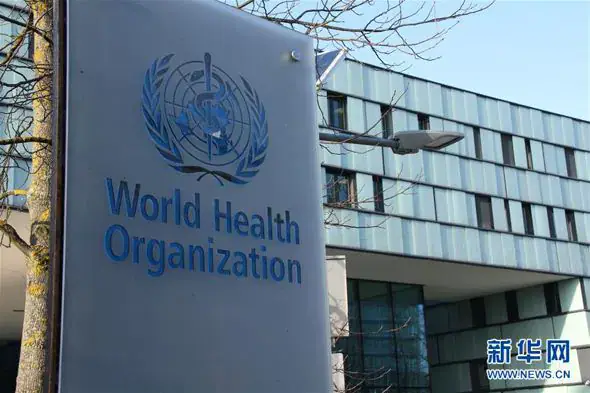
Noma disease, also known as Cancrum Oris, is a severe infection that rapidly destroys the tissues inside the mouth and face. According to the World Health Organization (WHO), it begins as an infection in the gums, then spreads to the lips, muscles, and bones of the face. The disease primarily affects children between the ages of two and six. Despite its severity, Noma is not contagious and cannot be transmitted through direct contact with an infected person or sharing food.
The exact cause of Noma disease is not fully understood, but it is linked to malnutrition, poor oral hygiene, and a weakened immune system. Children suffering from malnutrition, lacking access to clean water, or living in areas with poor sanitation are more susceptible to the disease. Other illnesses, such as measles and malaria, can further weaken a child's immune system, increasing the risk of contracting Noma. Poverty and limited access to healthcare also exacerbate the risk.
The symptoms of Noma disease can initially resemble those of a common mouth infection. Warning signs include swollen gums, bleeding gums, ulcers or sores in the mouth, bad breath, fever, and difficulty eating. As the disease progresses, the face begins to swell. If left untreated, Noma disease can be fatal, with the WHO estimating that up to 90% of those infected die without receiving medical treatment.
In Nigeria, the Sokoto Specialist Hospital for Children with Noma disease has been providing treatment since 2014 in partnership with Médecins Sans Frontières (MSF). The hospital's director, Dr. Abdullahi Bello, reports that over 1,700 patients have received treatment. Despite this progress, healthcare officials remain concerned about the emergence of new cases. The hospital, established by the Sokoto State government in 1999, offers free treatment, including to children referred from other parts of Nigeria.
To combat Noma disease and other oral health issues, the Nigerian government has launched initiatives to strengthen healthcare services. In November 2026, the Federal Government introduced the National Oral Health Strategic Plan, which will run from 2026 to 2030 with an estimated budget of N70 billion. The plan aims to enhance oral healthcare services, monitor disease prevalence, and train healthcare professionals.
The Nigerian government is working to address the root causes of Noma disease, including poverty, malnutrition, and poor sanitation. By improving access to clean water, sanitation facilities, and healthcare services, the government hopes to reduce the incidence of the disease. Public awareness campaigns are also being implemented to educate communities about the risks and symptoms of Noma disease, encouraging early detection and treatment.
Healthcare professionals emphasize that early detection and treatment are crucial in preventing the severe consequences of Noma disease. With prompt medical attention, including antibiotics, nutritional support, and surgical interventions, patients can recover and avoid long-term disabilities. The government's efforts to strengthen healthcare services and raise awareness about Noma disease are critical steps towards controlling and eventually eliminating this deadly infection.
Key points
- The World Health Organization (WHO) estimates that up to 90% of those infected with Noma disease die without receiving medical treatment.
- The Nigerian government has launched the National Oral Health Strategic Plan, which will run from 2026 to 2030 with an estimated budget of N70 billion.
- Over 1,700 patients have received treatment at the Sokoto Specialist Hospital for Children with Noma disease since 2014.
Reporting sources
- Yadda Ake Gane Cutar Noma Da Magance Ta · Leadership