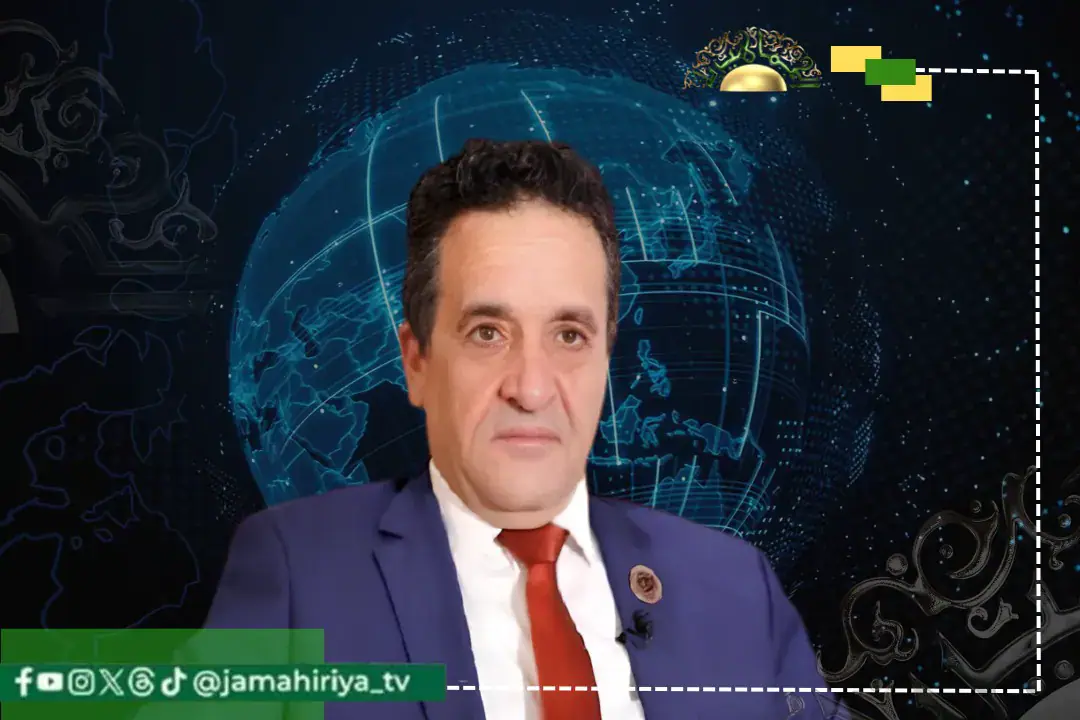
Libya's economic woes deepened as the country's Dinar continues to plummet in value, leaving citizens bearing the brunt of the crisis. According to former Minister of State for Economic Affairs, Salama Al-Gwail, the recent surge in the US dollar's value on the parallel market has led to increased living costs, causing widespread concern among Libyans. The Dinar's decline has made everyday essentials more expensive, placing a heavy burden on households.
Al-Gwail noted that citizens have grown accustomed to the high dollar exchange rate, but the latest increases have sparked anxiety. He warned that the continuous erosion of the Dinar's value and rising prices are taking a toll on the population, particularly those with limited incomes. As the country's economy relies heavily on imports for food and medicine, the effects of the Dinar's decline are being felt across various sectors.
The former minister pointed out that the middle and lower-income classes are struggling to cope with the rising costs, having exhausted their savings over the past few months. This has limited their ability to adjust to the new economic reality, exacerbating the crisis. Al-Gwail cautioned against placing the blame for the economic woes on citizens, arguing that this would only worsen the situation and fuel social unrest.
Al-Gwail emphasized that monetary solutions alone are insufficient to address the crisis, calling for comprehensive reforms to tackle the root causes of the economic instability. He advocated for an end to the country's political divisions, unification of public spending, and a review of reconstruction projects. Additionally, he stressed the need for anti-corruption measures to mitigate the effects of the crisis.
The economic crisis has significant implications for Libya's future, with Al-Gwail urging for swift action to prevent further deterioration. He highlighted the importance of addressing the economic challenges facing the nation, warning that failure to do so would have far-reaching consequences for the country's stability and prosperity.
As the situation continues to unfold, Libyans are facing increasing uncertainty about their economic future. The government's ability to respond effectively to the crisis remains a pressing concern, with many citizens relying on state intervention to alleviate their hardship. Al-Gwail's comments have underscored the need for a coordinated approach to address the economic challenges.
The issue has sparked concerns about the potential for social unrest, as citizens grow increasingly frustrated with the economic situation. Al-Gwail's warning about the dangers of inaction serves as a reminder of the urgent need for a comprehensive solution to Libya's economic woes.
Key points
- Former minister Salama Al-Gwail warns of escalating economic burden on Libyan citizens.