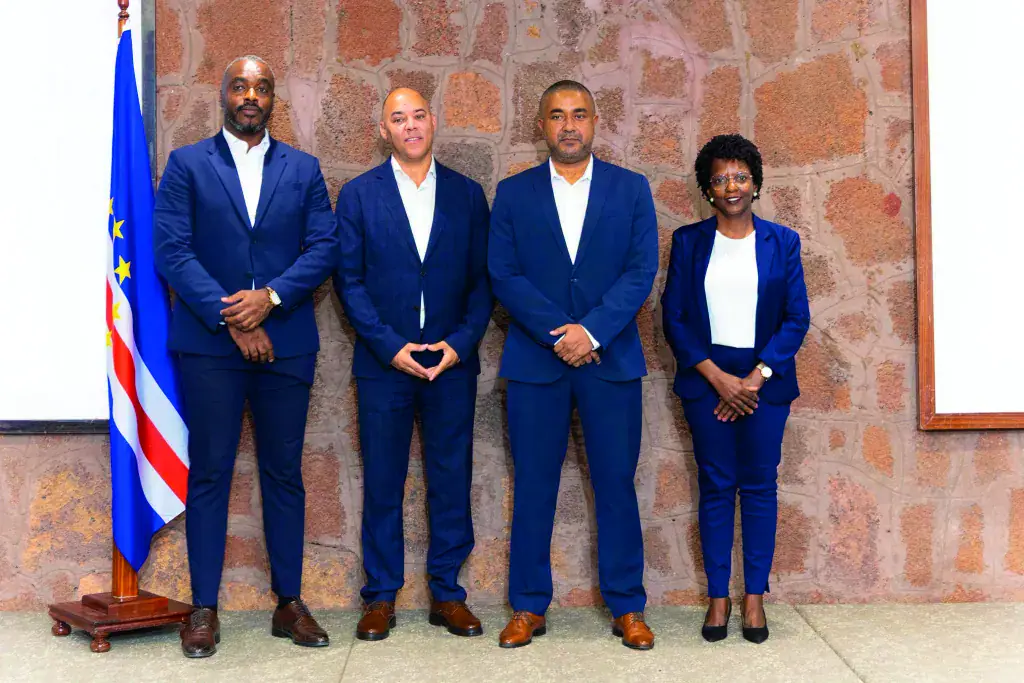
The new administration of TACV, led by Mário Almeida, has taken office with a challenge from the Minister of Transport and Sea, João do Carmo, to present a plan for stabilization and transformation within the first few months. This plan is crucial given the company's current fragile situation, marked by financial pressures, accumulated debts to suppliers, and a highly competitive market. The minister emphasized the need for decisive management actions, courage, and specific competencies to address these challenges.
The current situation at TACV is precarious, with little room for unexpected expenses and difficulties in maintaining revenue in a competitive market. Minister João do Carmo highlighted that the new administration must prioritize a weekly cash flow plan, reconciliation of debts, regularization of critical commitments, and a continuity plan for aircraft, crew, maintenance, and essential suppliers. He warned that any disruption could affect multiple flights in a single day.
The minister recalled that TACV has received significant financial injections and state guarantees, stressing the need for transparency regarding the amounts effectively disbursed, guarantees still in effect, and results obtained. He advocated for public support for restructuring to have a defined purpose, verifiable conditions, and periodic evaluation. The minister also emphasized that the company needs documented decisions, controlled purchases, and timely financial information to ensure operational safety and commercial pressure.
Minister João do Carmo suggested that TACV seek partnerships for capacity substitution, maintenance, access to parts, and distribution. He also mentioned the possibility of a management or capital partnership if it brings financial capacity, operational competence, and effective network access. The minister warned that time is of the essence, as the company's viability may depend on securing such partnerships.
The minister also focused on inter-island transportation operated by CVsky, highlighting the need for reform in the entire system. The goal is to bring domestic operations closer to international standards while maintaining separate accounts and respecting each operator's brands, licenses, and certifications. He noted that the current air offer between islands is scarce, expensive, and unpredictable.
The new PCA, Mário Almeida, emphasized that the company's mission requires operational viability and financial sustainability. In the initial phase, the administration will focus on understanding the company's real situation before making decisions. He assured that the administration will maintain transparency with shareholders and the government, disclosing results, difficulties, and decisions.
The recent authorization by the Government for a expenditure of up to 450 million escudos for compensatory indemnities for international routes is a backdrop to the new administration's challenges. Minister João do Carmo stated that the company cannot continue to rely on permanent and large financial injections from the state, advocating for a strategic partnership as a potential solution for its future.
Key points
- The new TACV administration must present a stabilization and transformation plan within the first few months.
- The company is facing significant financial pressures and accumulated debts to suppliers.
- The minister emphasized the need for transparency regarding financial support and results.