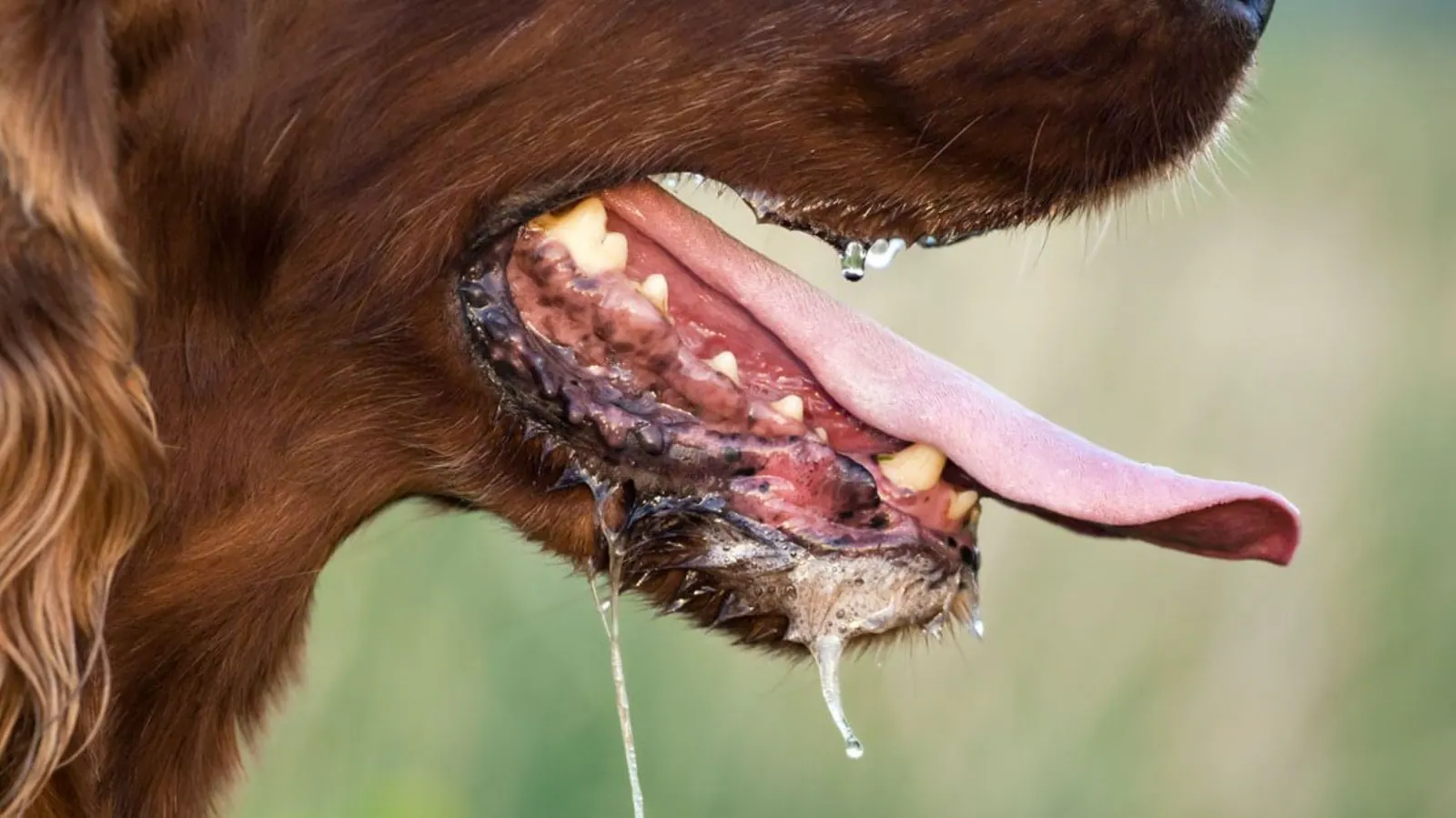
The Federal Government of Nigeria has reaffirmed its commitment to eliminating rabies in the country by 2030. To achieve this goal, the government is calling for stronger collaboration across sectors to intensify mass dog vaccination, surveillance, and access to post-exposure prophylaxis nationwide. This effort aims to tackle a devastating but fully preventable public health challenge.
According to Dr. Chinyere Akujobi, Permanent Secretary of the Federal Ministry of Livestock Development, rabies is virtually 100 percent fatal once clinical symptoms appear. She emphasized that dogs account for over 99 percent of human rabies deaths globally. Akujobi made these remarks at the 2026 World Rabies Day Symposium themed ‘Stronger Together’, held in Abuja.
Dr. Akujobi explained that rabies deaths can be prevented through responsible animal ownership, vaccination, timely access to post-exposure prophylaxis, and effective surveillance. The Federal Ministry of Livestock Development procured 26,000 doses of rabies vaccines last year and plans to acquire more to ensure a coordinated national vaccination plan.
The Permanent Secretary urged state and local governments, traditional leaders, and dog owners to actively participate in annual mass vaccination campaigns. This call to action aims to increase vaccination coverage and reduce the incidence of rabies in Nigeria. By working together, the government hopes to make significant progress toward a rabies-free status.
Dr. Samuel Anzaku, Chief Veterinary Officer of Nigeria, advocated a coordinated ‘One Health’ approach involving the veterinary, human health, and environmental sectors. He identified inadequate vaccination coverage, limited access to treatments, weak surveillance, and poor funding as major setbacks to rabies control in Nigeria.
Despite these challenges, Dr. Anzaku noted that they present opportunities for innovative, evidence-based interventions to advance Nigeria’s journey toward a rabies-free status. The government and its partners are exploring new strategies to address these issues and accelerate progress.
The World Health Organisation (WHO) and the Federal Ministry of Health have pledged their support for Nigeria’s efforts to eliminate rabies. The WHO emphasized the urgent need to protect children, who constitute a significant proportion of rabies victims. The Core Group Partners Project also reaffirmed its dedication to driving community-based surveillance and vaccine demand at the grassroots level.
Key points
- The Nigerian government aims to eliminate rabies by 2030 through mass dog vaccination and other measures.
- Dogs account for over 99 percent of human rabies deaths globally.
- The government procured 26,000 doses of rabies vaccines last year and plans to acquire more.