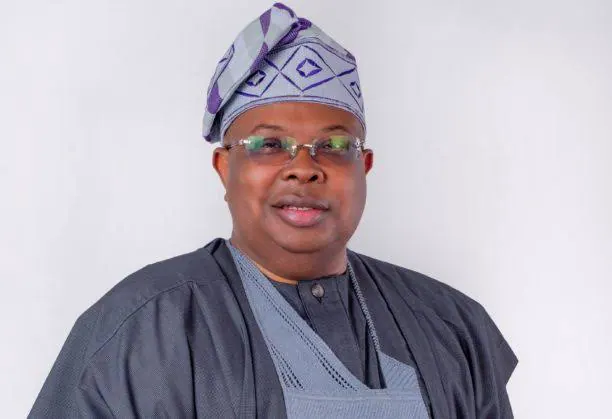
The Nigerian Electricity Supply Industry (NESI) has reached a new milestone in electricity generation, hitting a peak of 5,330MW in August and September. This achievement was announced by the Minister of Power, Mr. Joseph Tegbe, during a press briefing in Abuja, where he presented his 100-day scorecard. According to Tegbe, the new peak is a significant improvement from the 3,700MW to 4,700MW range recorded before June this year.
The Minister of Power attributed the success to the efforts of his team, which has focused on three key pillars: stabilizing the value chain, restoring market discipline, and strengthening governance. These initiatives have led to the restoration of the 375 MW Alaoji open-cycle power plant to the national grid after three years offline. Additionally, several substations have been upgraded, and new transformers have been commissioned in Lagos and Abuja, unlocking significant transmission capacity.
The recent upgrade of substations and commissioning of new transformers have significantly enhanced the transmission capacity in major cities. In Lagos, new transformers have been commissioned at Apapa, Ijora, Alausa, and Lekki, unlocking 672MW of transmission capacity. Similarly, a new 300 MVA transformer has been energized at Katampe in Abuja, unlocking another 240MW of transmission capacity. These interventions have restored existing assets and strengthened the network serving major centers of demand.
Minister Tegbe emphasized that sustaining the current gains in electricity generation and translating them into more dependable supply to customers is the next task. He noted that a national peak alone cannot describe the experience of every community, highlighting the need for continued efforts to ensure reliable electricity supply across the country. The Minister reassured Nigerians that the government is committed to ensuring that the recent improvements in electricity generation are sustained.
In response to speculations about an impending increase in electricity tariffs, Minister Tegbe categorically denied any plans to hike tariffs. He stressed that the government's decision to freeze the tariff is not a political statement but a commitment to sustaining the current payment of electricity subsidy. Tegbe urged Nigerians to disregard reports suggesting that the government is planning to increase tariffs, describing such claims as utter falsehood.
The Minister of Power also highlighted the importance of connecting engineering decisions to financial sustainability and public accountability. He emphasized that the government's approach to the power sector is holistic, focusing on both the technical and financial aspects of the industry. By prioritizing these aspects, the government aims to ensure that the recent gains in electricity generation are sustained and that Nigerians enjoy reliable and affordable electricity.
As the Nigerian Electricity Supply Industry continues to evolve, the government remains committed to its goal of providing dependable electricity supply to customers. With a focus on sustaining the current gains and addressing the challenges in the power sector, the government is optimistic about the future of electricity supply in Nigeria. The recent achievement of a 5,330MW generation peak is a testament to the progress being made, and the government is determined to build on this success.
Key points
- The Nigerian Electricity Supply Industry has hit a new generation peak of 5,330MW.
- The government has no immediate plans to hike electricity tariffs.
- The Minister of Power has identified three pillars for the power sector: stabilizing the value chain, restoring market discipline, and strengthening governance.