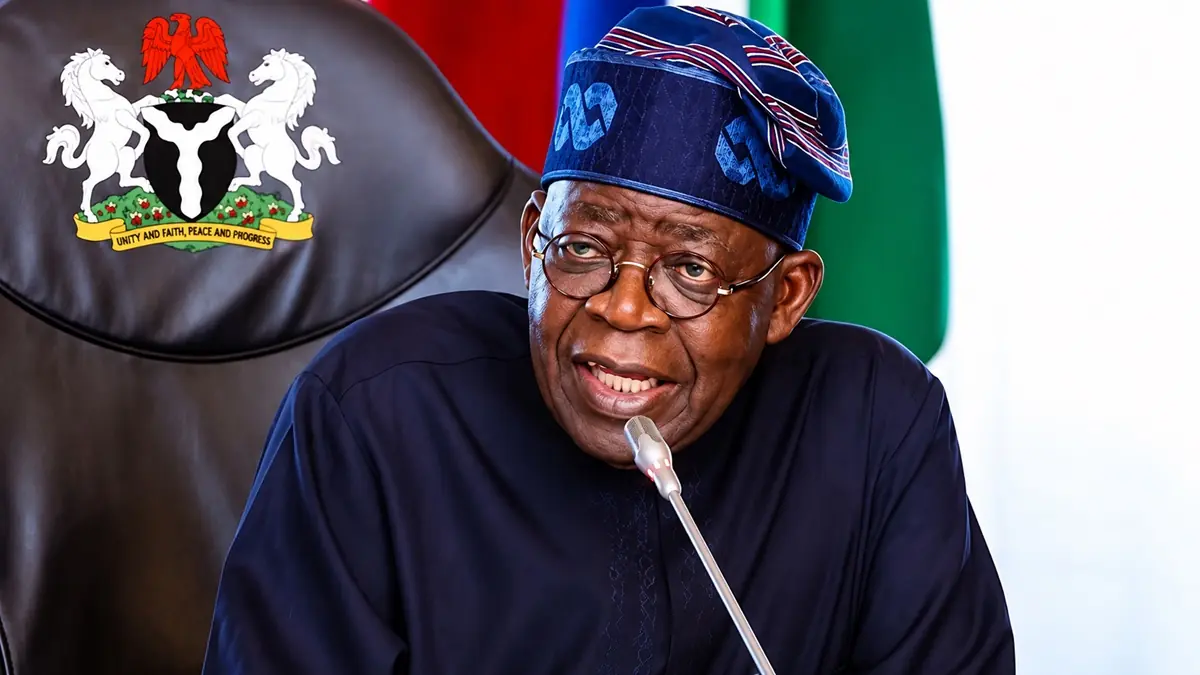
President Bola Tinubu has declared that Nigeria has crossed its own "Red Sea" after three years of painful economic reforms. In his Independence Day address to Nigerians, Tinubu acknowledged the severe hardship caused by the reforms but maintained that they were necessary to correct structural weaknesses that had accumulated over decades. He emphasized that the government's economic priority had now shifted from stabilizing the economy to ensuring that the benefits of the reforms translated into lower living costs, more jobs, and improved household welfare.
Tinubu defended the removal of petrol subsidy and other economic reforms, saying they did not create Nigeria's longstanding economic weaknesses but confronted them. He warned against calls to return to "addictive subsidies," arguing that such a move would reverse the gains achieved. The President likened Nigeria's economic experience to that of a cancer patient who had undergone painful treatment after years of merely managing the symptoms of the disease.
The President outlined the government's plans to reduce the cost of living through cheaper production. He said this would be achieved by lowering the cost of producing and transporting goods, expanding agricultural production, improving infrastructure, and creating a more competitive environment for businesses. Tinubu mentioned that the government would expand mechanized irrigation and dry-season farming, improve access to seeds and fertilizer, and increase agricultural mechanization.
Tinubu emphasized that his administration would not reverse the petrol subsidy removal, warning against attempts to take Nigeria back to what he described as a wasteful and unsustainable system. He stated that the country's economic experience was like that of a sick patient who had undergone painful treatment after years of merely managing the symptoms of the disease.
The President addressed calls for a reversal of the reforms, saying influential interests were attempting to persuade Nigerians to abandon the current path. He urged Nigerians to resist the "siren song" of those who wanted to return to the old ways, emphasizing that the reforms had not created the weaknesses in the economy but had confronted them.
Tinubu cited economic gains, saying indicators showed that Nigeria had moved beyond the most difficult stage of the reform process. He mentioned that the economy had grown by over four percent, with both oil and non-oil sectors contributing to the renewed period of stable growth. The President also noted that oil theft was down, inflation had fallen substantially, and foreign reserves had been rebuilt.
The President's address came as Nigeria marked its 66th Independence Anniversary. Tinubu signed the amended Appropriation Bill 2025, extending its implementation to December. The government has consistently argued that the economic reforms were necessary to restore fiscal stability and redirect resources towards infrastructure and development.
Key points
- President Bola Tinubu rules out a return to petrol subsidy, citing the need to sustain economic reforms.
- Tinubu announces the beginning of an "age of prosperity" for Nigeria, with a focus on reducing the cost of living.
- The President defends the removal of petrol subsidy, saying it was necessary to confront Nigeria's longstanding economic weaknesses.