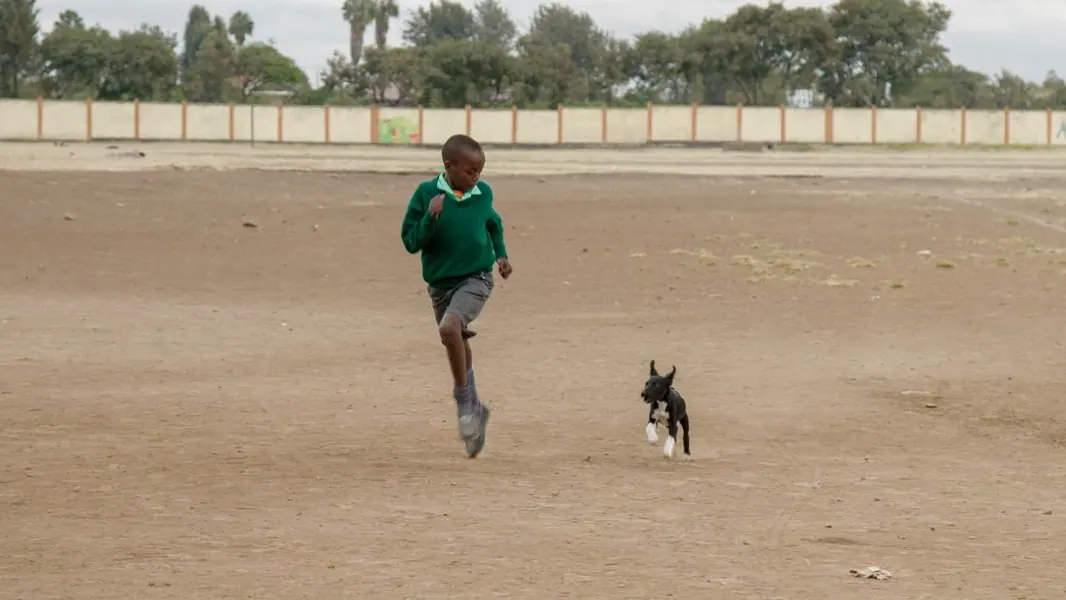
The World Health Organisation (WHO) has revealed that children under 15 years old account for approximately 40% of all rabies deaths worldwide. This translates to two out of every five rabies deaths being children. According to the WHO, rabies causes around 59,000 human deaths annually, primarily in Asia and Africa. The organisation emphasised that despite being 100% preventable, rabies remains a significant threat to human life.
The primary cause of rabies transmission to humans is through the bite or scratch of an infected domestic dog, which accounts for about 99% of all transmissions. In Ghana, the Veterinary Services Directorate (VSD) reported 26 human rabies mortalities out of 31 cases across nine regions in 2024. This highlights the severity of the situation in the country, where rabies remains a major public health threat.
Rabies is a viral disease that affects warm-blooded animals, attacking the brain and nervous system. The virus enters an animal's body through the mouth, eyes, or nose when an infected animal licks another's face or skin. In humans, the disease is mainly spread through the saliva of an infected animal, usually through a bite or scratch. If left untreated, the virus can cause fatal consequences.
The WHO's statistics on rabies deaths are a stark reminder of the need for increased awareness and preventive measures. Children are particularly vulnerable to rabies due to their curious nature and potential lack of understanding about the risks associated with animal bites. Parents and caregivers must take necessary precautions to protect children from animal bites and ensure they receive immediate medical attention if bitten or scratched.
In addition to dogs, other animals such as cats, bats, monkeys, and other mammals can also transmit the disease. The risk of rabies transmission underscores the importance of responsible pet ownership and proper animal care. Vaccinating pets and avoiding contact with stray animals can significantly reduce the risk of rabies transmission.
The fatal nature of rabies once symptoms appear highlights the need for prompt medical attention. If symptoms are recognised early, post-exposure prophylaxis (PEP) can prevent the onset of the disease. However, once symptoms appear, there is no effective cure, and death is certain. This emphasises the importance of seeking immediate medical attention if an individual has been bitten or scratched by an animal.
The WHO's warning on the prevalence of rabies deaths among children serves as a call to action for governments, healthcare professionals, and communities to work together to combat the disease. By increasing awareness, promoting preventive measures, and ensuring access to medical care, it is possible to reduce the number of rabies deaths and make the disease a thing of the past.
Key points
- Children under 15 account for 40% of all rabies deaths globally
- Domestic dogs are responsible for 99% of all rabies transmissions to humans
- Rabies is 100% fatal once symptoms appear in humans